While many classic characters like Garfield and the Peanuts gang originated in newspaper comic strips before expanding into other media, a fascinating reverse trend also exists. Some of the most recognizable figures in popular culture, after achieving widespread acclaim in film, television, or comic books, subsequently made their debut in daily newspaper strips. This article highlights five such iconic examples, tracing their journey from established entertainment properties to the pages of daily newspapers.
Iconic Characters' Unexpected Newspaper Adventures
In the vibrant tapestry of popular culture, where narratives often begin in one medium and seamlessly transition to another, a unique phenomenon involves celebrated characters originating outside the comic strip realm eventually gracing daily newspapers. This exploration delves into the unexpected yet delightful journeys of five such beloved entities: The Muppets, Teenage Mutant Ninja Turtles, The Simpsons, Rugrats, and Star Wars, revealing how these franchises extended their reach into the familiar format of newspaper comics, often under intriguing circumstances and with distinct creative interpretations.
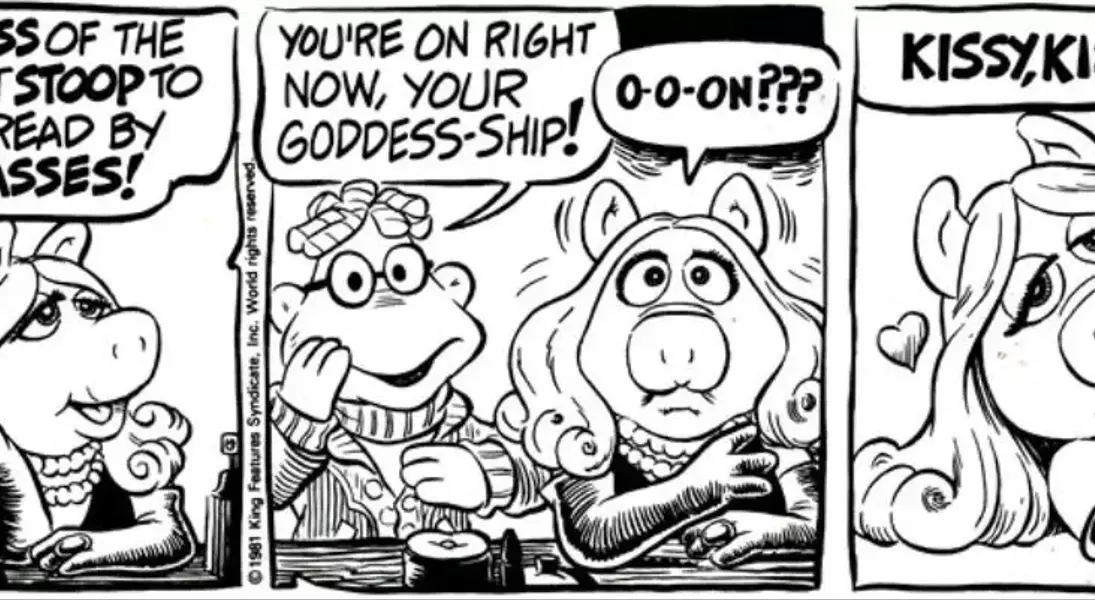
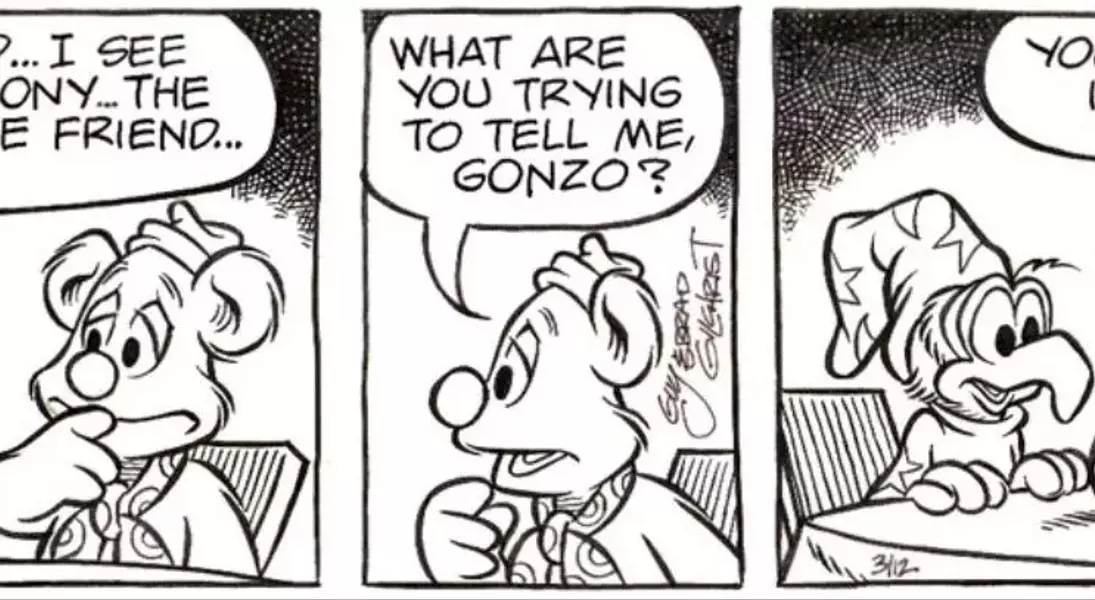
First, the whimsical world of The Muppets, following the conclusion of The Muppet Show in 1981, found a new home in newspaper strips. Creator Jim Henson, keen on maintaining the characters' public presence, not only developed the film The Muppets Take Manhattan but also launched a daily comic strip. Illustrated by Guy Gilchrist and written by his brother Brad, the strip, which ran from 1981 to 1985, showcased the Muppets in diverse scenarios, including meta-humorous fourth-wall breaks. Its discontinuation was reportedly due to a creative disagreement regarding the inclusion of Muppet Babies and Fraggle Rock characters, compounded by Henson's increasing commitments.
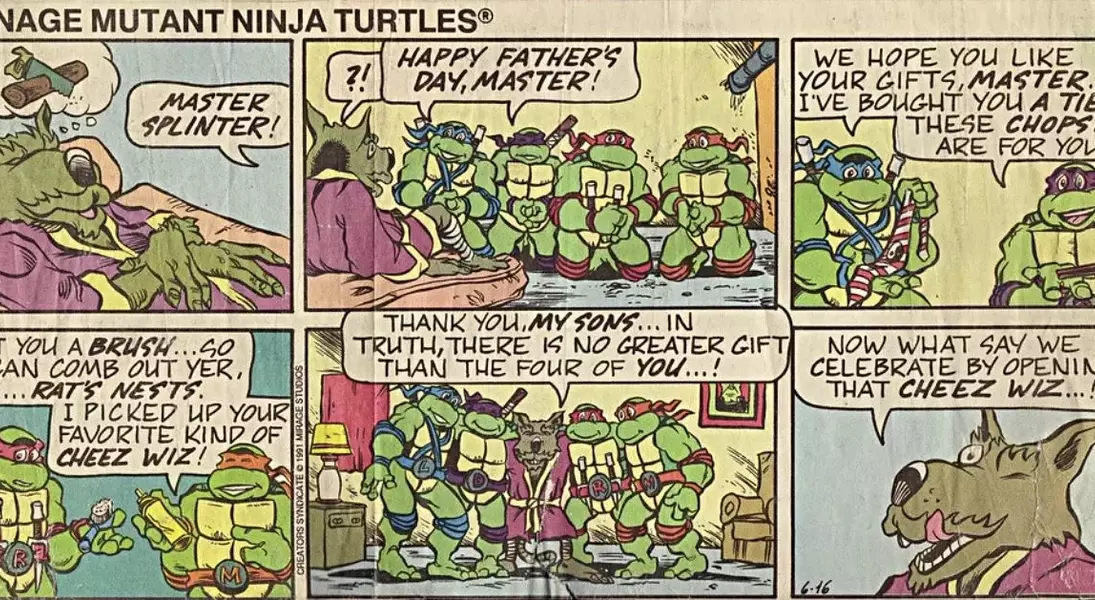
Next, the beloved Teenage Mutant Ninja Turtles, already a massive success in comic books, animation, and film, expanded their marketing empire into newspaper comics in December 1990. Capitalizing on the "Turtle-Mania" of the early '90s, this strip offered a lighter, more comedic take, aligning with the popular cartoon series. Numerous artists from Mirage Studios, notably Dan Berger, contributed to the strip until its conclusion in January 1997, shortly after the original animated series wrapped up.
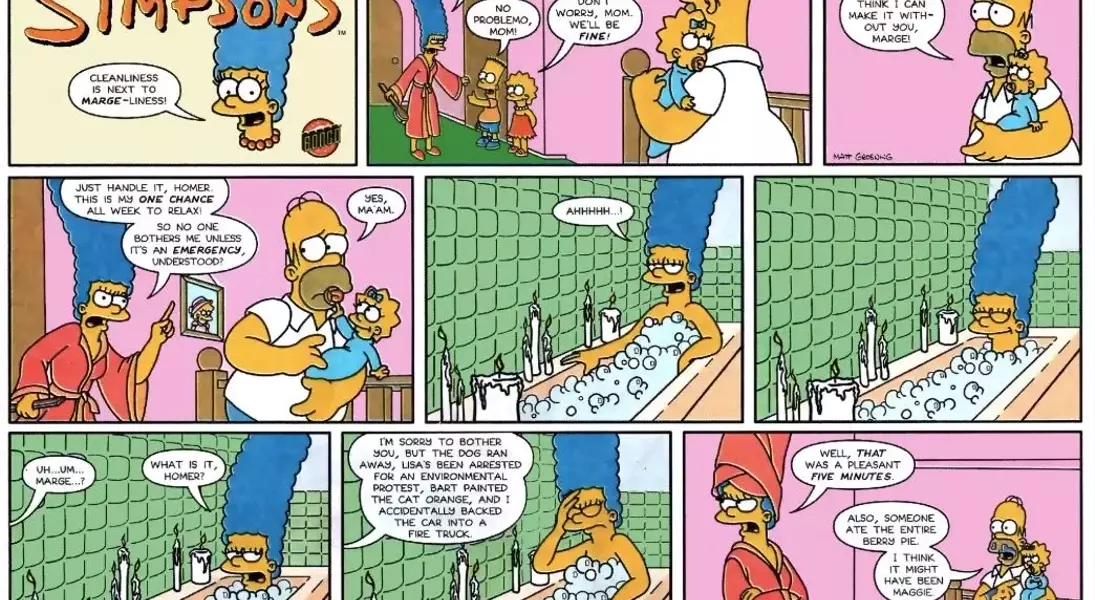
The cultural phenomenon of The Simpsons also ventured into newspaper comics, surprisingly, from 1999 to 2002. Unlike the widespread "Bartmania" of the early '90s that saw Bart Simpson adorn countless merchandise, this later comic strip iteration featured stories and artwork by contributors to The Simpsons comic book series, all adhering to Matt Groening's signature style. Speculation suggests these strips might have been originally intended for comic books but were later syndicated, with a collected edition anticipated for October.
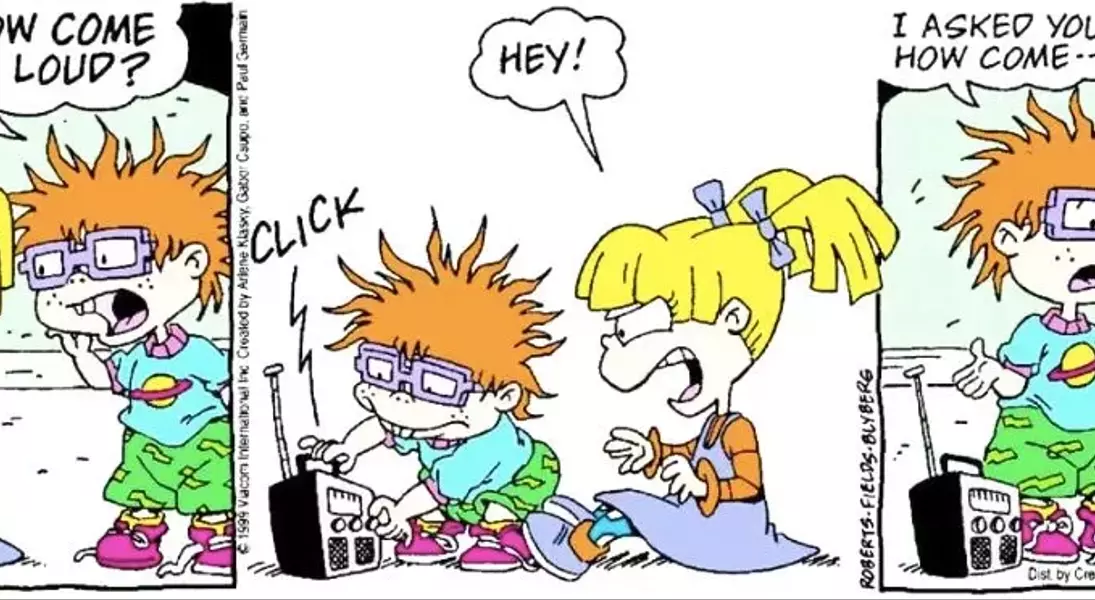
The endearing Nicktoon Rugrats, which debuted in 1991, also saw a newspaper comic strip launched in the lead-up to its first theatrical film in November 1998. This strip, created by various artists and writers, continued until May 2003, coinciding with the release of the third Rugrats film and the eventual end of the original animated series in the following year.
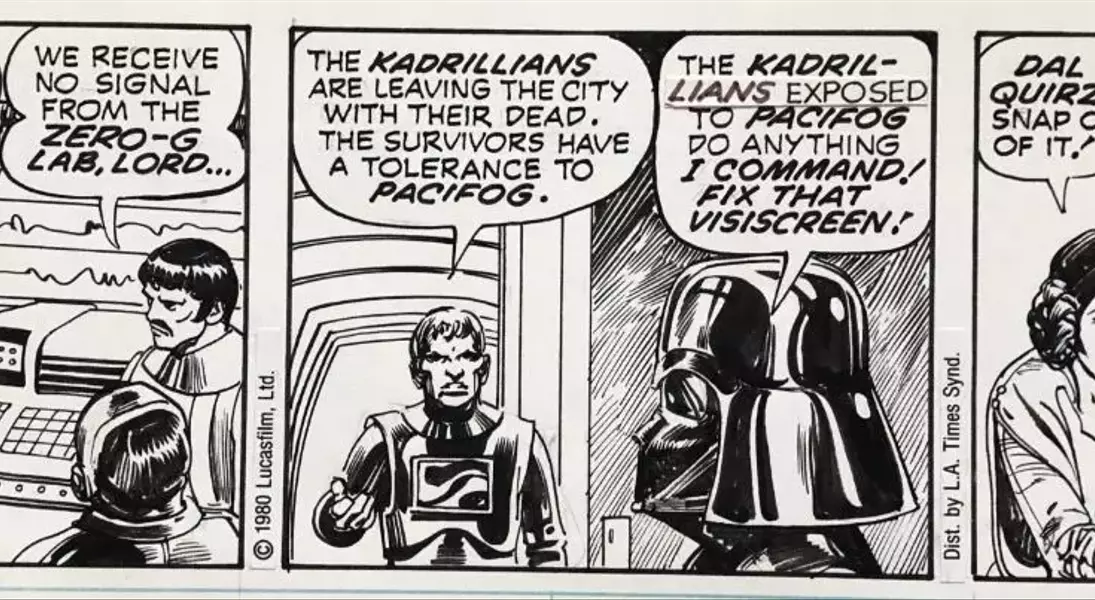
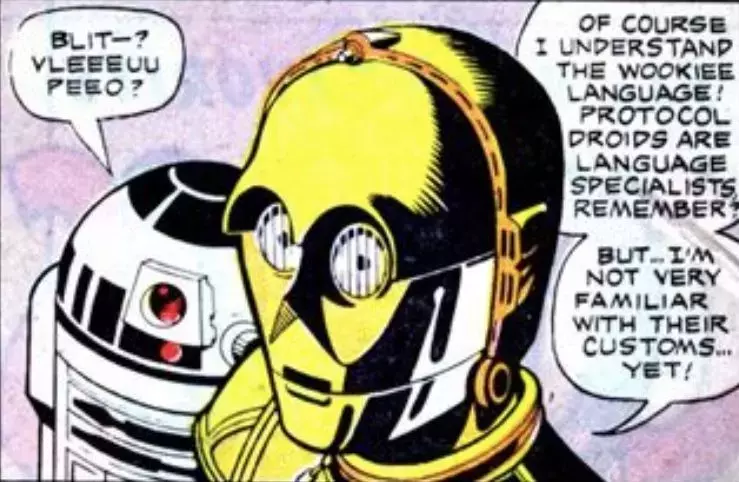
Finally, the epic saga of Star Wars, a cinematic titan, extended its universe into a daily newspaper comic strip from 1979 to 1984. These strips presented ongoing storylines, much like comic books, unfolding over several panels daily. Notably, the strip filled the narrative gap between A New Hope and The Empire Strikes Back, even after the latter's release, to preserve its cliffhanger ending. Although deemed non-canonical after Disney's acquisition of Lucasfilm in 2014, the strip introduced elements like Admiral Ackbar before his film debut and offered an early explanation for C-3PO's origins. Despite its historical significance, it remains a relatively obscure chapter in the vast Star Wars lore.
Reflecting on these transitions from screen to strip, one gains a deeper appreciation for the versatility and enduring appeal of these characters. Their foray into newspaper comics underscores a dynamic period in media history where popular franchises sought new avenues to connect with audiences. It highlights how different mediums can complement each other, expanding a character's narrative universe and cementing their place in the collective imagination, even if some of these comic strip legacies remain lesser-known footnotes in their grander stories. This cross-media adaptation not only demonstrates the economic motivations of extending intellectual property but also the creative impulses to explore new storytelling formats for beloved figures.
