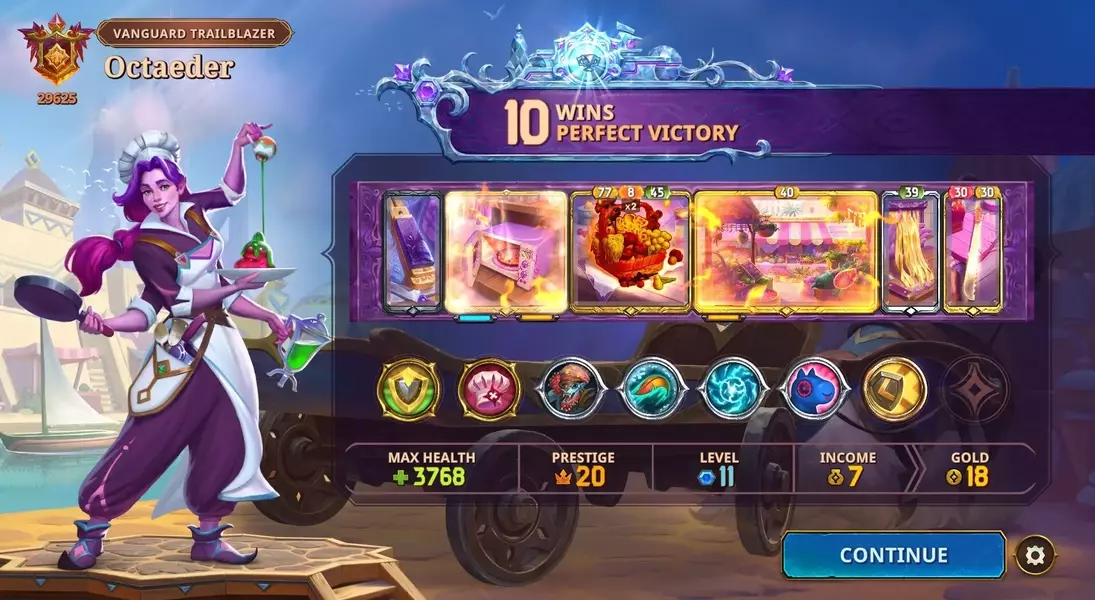
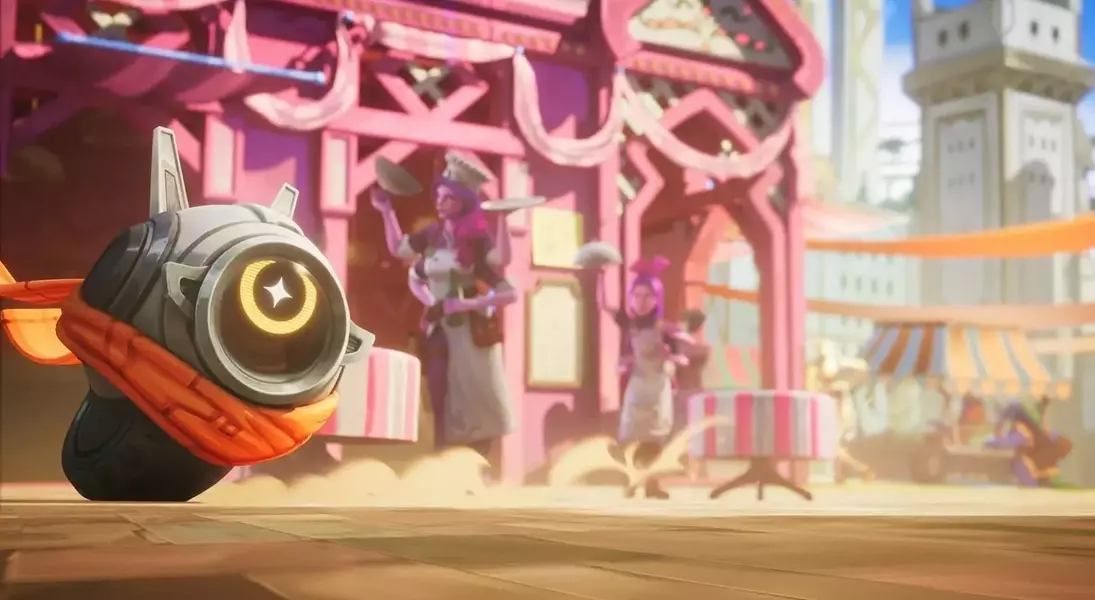
"The Bazaar," a visually engaging auto-battler, faced considerable controversy upon its release last year, largely due to an influx of microtransactions and monetization tactics that disillusioned its player base. Despite a promising beta phase and positive pre-launch buzz, the official rollout led to widespread fan outrage and negative media attention, effectively overshadowing the game's inherent appeal.
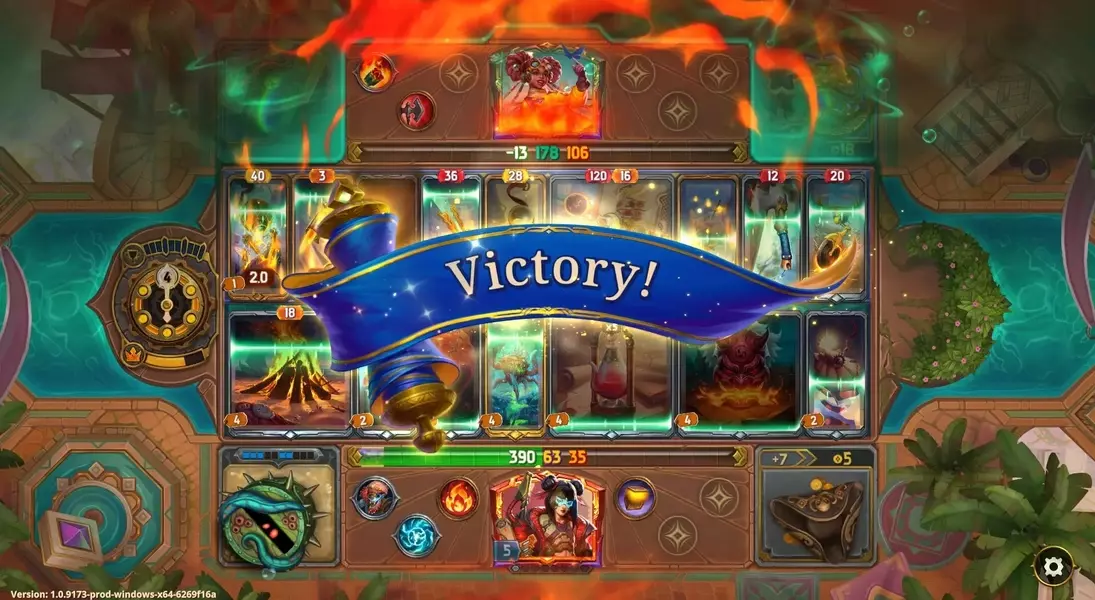
However, the game has since experienced a remarkable resurgence. The core gameplay involves selecting a hero and strategizing by acquiring various items from different shops to construct a powerful board. These items, ranging from weapons like katanas and cutlasses to unique creatures like sharkrays, offer diverse tactical advantages and synergistic possibilities. Each day culminates in an automatic battle against another player's board, with victory determined by the strength of the assembled items and their interactions. This iterative process of refining one's build through new items, skills, and enchantments is central to the game's addictive nature, rewarding clever experimentation and adaptability.
The developer, Tempo, has diligently addressed the initial missteps. Post-launch patches have introduced new cards and heroes, fostering a more balanced and varied meta that encourages diverse strategies rather than a few dominant builds. Crucially, the monetization model has been largely revamped, making the base game and its included heroes a fulfilling experience, with additional content available as reasonably priced DLC. The inclusion of ranked matchmaking now offers a more accessible entry point for new players, ensuring a smoother learning curve. While minor frustrations, such as encountering direct counters to meticulously crafted builds, still exist, "The Bazaar" has evolved into the engaging and polished title it was always meant to be, making it highly recommendable to both those who initially dismissed it and those discovering it for the first time.
The journey of "The Bazaar" exemplifies the transformative power of dedication and responsiveness in game development. It demonstrates that even a troubled launch can be overcome with a commitment to improving the player experience, refining game mechanics, and fostering a balanced environment. This turnaround not only revitalizes a promising title but also sets a positive example for the industry, proving that listening to community feedback and striving for excellence can lead to true redemption and sustained success.
