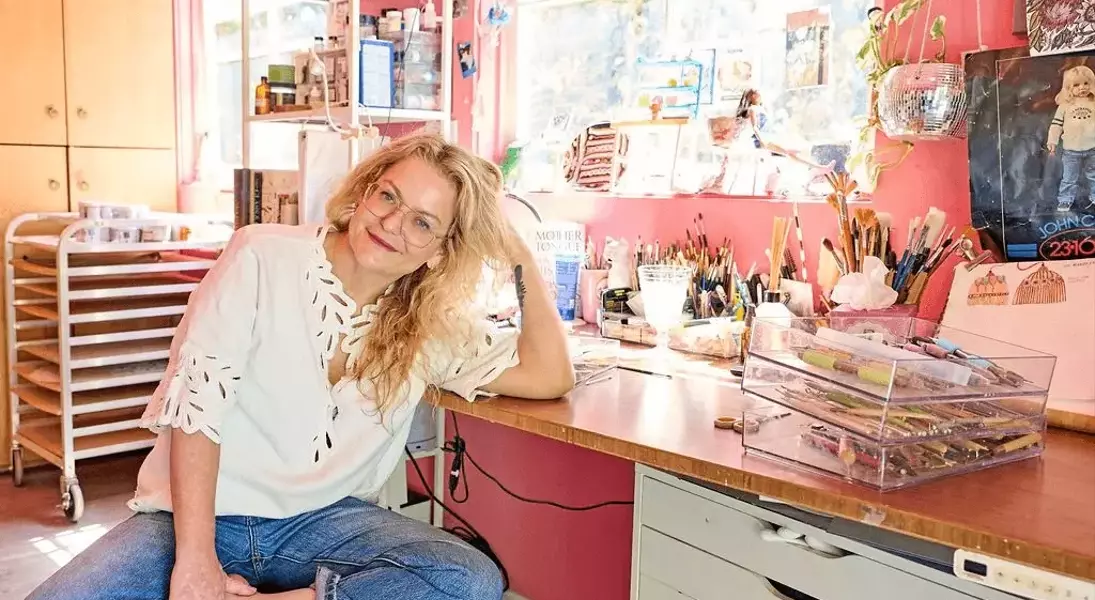
Tina Charad's artistic journey began with a profound impact from Baz Luhrmann's film "Romeo + Juliet," sparking her ambition to join the world of cinema. After decades meticulously crafting the visual landscapes for acclaimed movies like "Once Upon a Time in Hollywood," "La La Land," and "The Batman," her perfectionist tendencies, honed through extensive research and precision in graphic design, are now channeled into a new creative endeavor: ceramics. This shift represents a move from the unseen artistry of production design, where success lies in seamless integration, to a more personal and expressive medium that allows for tangible creation and a playful exploration of modern societal absurdities.
Initially a graduate of London's Chelsea School of Art, Charad was captivated by the rich visual narratives of film. Her career flourished in Hollywood, where she became instrumental in bringing cinematic environments to life, from the vibrant 1969 Los Angeles of Tarantino's vision to the intricate details required for period pieces. Her work, though behind the scenes, demanded an unwavering commitment to authenticity and detail, ensuring that every sign, storefront, and fabric pattern contributed to a believable on-screen reality. This exacting nature, which once defined her professional identity, eventually led her to seek a different creative outlet.
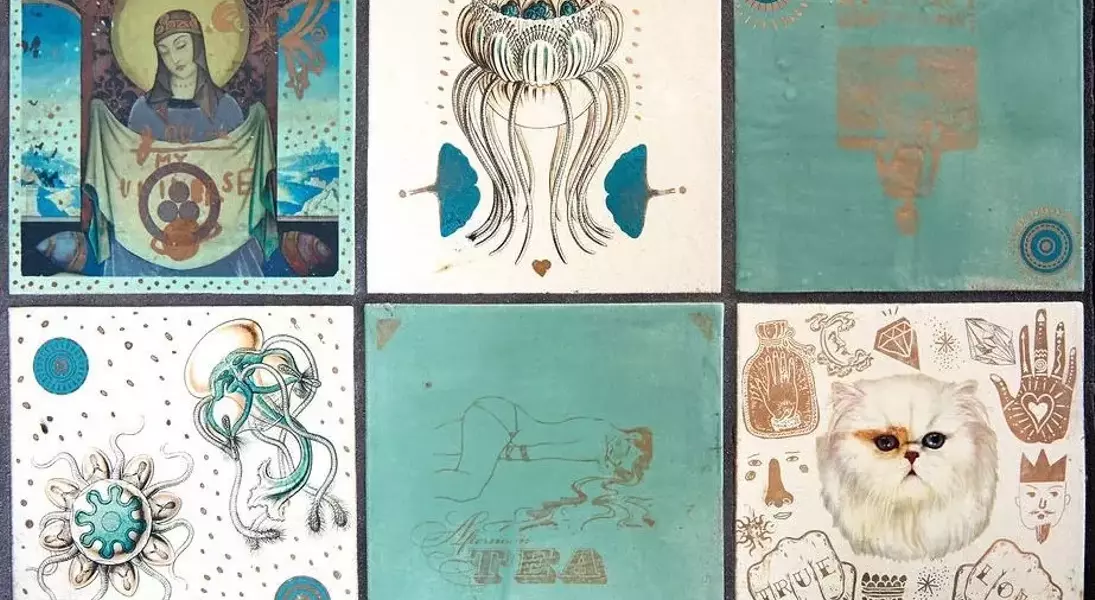
The transition to pottery began as a deliberate effort to step away from the digital realm that dominated her graphic design work. What started as a hobby, making "terrible bowls," soon evolved into a passionate pursuit. Following the personal tragedy of losing her husband to cancer, ceramics became a therapeutic avenue for processing grief, transforming her home studio in Pasadena into a space for profound personal expression. Her creations, which include plates, bowls, vases, and even ceramic cats, are characterized by their maximalist aesthetic and a bold use of color, reflecting her philosophy that "more is more" when it comes to visual richness.
Charad draws inspiration from diverse sources, including current events, her own life experiences, and even her feline companions. Her influences span from contemporary artists like Jennifer Rochlin and Hylton Nel to historical pottery designers such as Daisy Makeig-Jones. Beyond their decorative appeal, her ceramic pieces often carry a subtle social commentary, exploring themes of hypocrisy, vanity, and superficiality prevalent in modern society. She embeds short, poetic lines of text into her work, using ceramics as a storytelling medium to record the humorous and absurd aspects of contemporary life.
While still engaged in graphic design for its practical aspects, Charad's primary artistic investment now lies in her ceramic studio. She embraces the physical challenges and inherent unpredictability of working with clay, finding satisfaction in the tangible nature of handmade objects. This new phase of her career highlights a beautiful evolution, where a master of meticulous cinematic design finds renewed purpose and profound expression in the raw, tactile world of pottery, celebrating the imperfect and the deeply personal over the polished and perfectly rendered.
