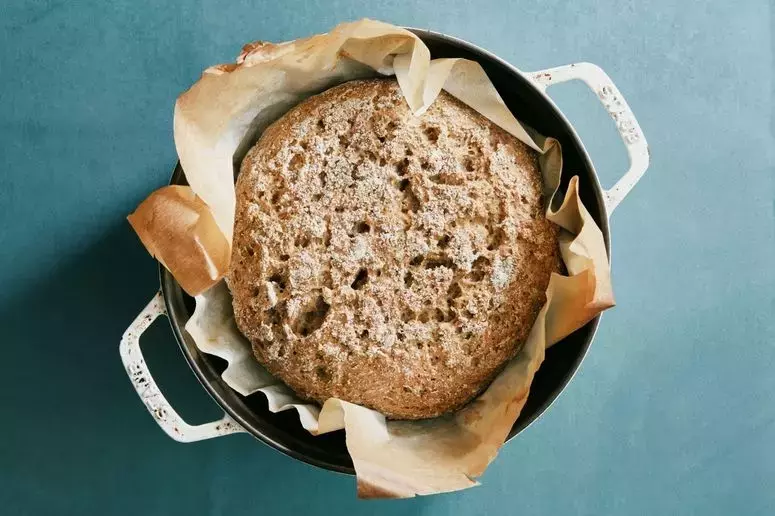
This article chronicles a baker's personal and professional evolution, moving from a traditional gluten-centric culinary background to a fulfilling gluten-free approach. It highlights the challenges and discoveries encountered while adapting baking techniques and ingredients to accommodate a newly identified gluten intolerance. The narrative culminates in the creation of a unique, accessible bread recipe that symbolizes a deeper understanding of food and well-being.
The baker's early life was immersed in the world of a Spanish pastry shop, where wheat flour was the cornerstone of all creations. This environment instilled a deep appreciation for gluten's versatile properties, shaping her initial culinary identity. However, after relocating to the United States and pursuing further culinary education, she confronted a personal health revelation: a severe gluten intolerance. This diagnosis necessitated a complete reevaluation of her baking practices.
Initially, this dietary shift felt like a significant loss, forcing her to abandon years of accumulated knowledge and experience. Yet, it soon became a catalyst for innovation. With an open mind, she began experimenting with alternative ingredients, observing how diverse components like oats and chia seeds behaved differently from wheat. She discovered that while these ingredients lacked gluten's characteristic elasticity, they could still contribute texture and flavor. Crucially, she learned that fermentation, a key process in bread-making, was achievable without gluten, leading her to explore the potential of gluten-free sourdough.
Through this period of trial and error, she developed a recipe for a simple, one-bowl, no-knead oat and chia bread. This creation not only addressed her dietary needs but also represented a profound shift in her culinary philosophy. It demonstrated that limitations could foster creativity and open new avenues for connection with others who seek nourishing food options. This bread, embodying practicality and forgiveness, became a symbol of her belief that delicious food can align with personal well-being. She emphasizes that the essence of "feel-good cooking" lies in meals that acknowledge individual needs and support future aspirations.
The author also provides guidance on essential ingredients for a gluten-free baking pantry, specifically highlighting xanthan gum and psyllium husk powder. Xanthan gum, she explains, serves as a vital binder, imparting elasticity and structure to gluten-free dough, ensuring a soft, cohesive crumb. She recommends Bob's Red Mill as a reliable brand for its consistent quality. Psyllium husk powder is identified as another critical component, often determining the success of gluten-free bread recipes. She notes its versatility, suggesting it can substitute xanthan gum in certain preparations, and champions Terrasoul as the leading brand for this ingredient. These insights underscore the importance of understanding specialized ingredients to achieve successful and satisfying gluten-free baked goods.
This personal account illustrates a remarkable culinary journey, transforming a health challenge into an opportunity for creative exploration and a renewed passion for baking. It underscores the idea that culinary art can be deeply personal and evolve in response to individual needs, ultimately leading to innovative and inclusive food practices. The baker's experience demonstrates how adapting to dietary restrictions can enrich one's understanding of ingredients and cooking, yielding delicious and beneficial outcomes for both the creator and the consumer.
