In the realm of gaming, some fan projects transcend their initial scope, becoming vibrant ecosystems for creativity. ZQuest Classic, a PC adaptation of the beloved NES title "The Legend of Zelda," stands as a testament to this phenomenon. Originating as a simple replica, it evolved into a powerful and accessible engine, nurturing generations of amateur game developers. This narrative delves into the journey of ZQuest Classic, highlighting its development, the dedicated community it fostered, and the commitment of its volunteer stewards in preserving its legacy.
The concept of a "whale fall" in the ocean, where a deceased whale's body becomes a nutrient-rich foundation for an entire ecosystem, offers a compelling analogy for ZQuest Classic's enduring influence. Just as specialized marine life thrives on these unexpected resources, the gaming community often reinterprets and builds upon existing titles. Warcraft 3, for instance, spawned innovative modifications like DotA, demonstrating how original games can serve as fertile ground for new ideas. ZQuest Classic, initially an unofficial PC rendition of "The Legend of Zelda" in 1999 by a programmer known as Phantom Menace, inadvertently became a similar hub of creativity. This unauthorized adaptation matured into a premier engine for crafting Zelda fan games, offering an exceptionally user-friendly platform for aspiring game developers. For over two decades, its custom "quest editor" has sustained a continuous stream of Zelda-inspired creations.
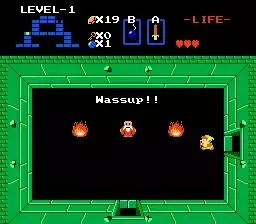
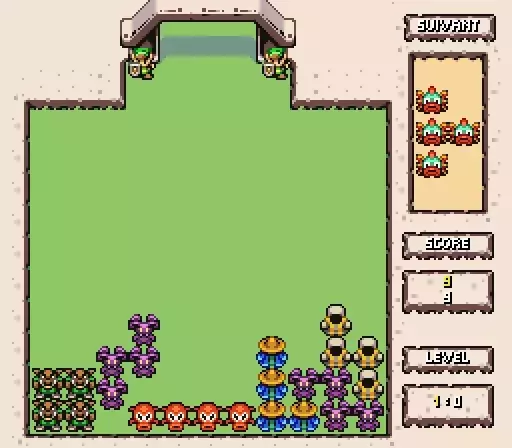
Now known as ZQuest Classic to distinguish itself from legal entanglements, the open-source engine's ongoing development is spearheaded by dedicated volunteers, Connor Clark and Emily Venezia, with support from community members and testers. Both individuals were drawn to the project during their youth, captivated by its remarkably low barrier to entry. Venezia explains the engine's appeal: unlike more complex platforms like Godot, which necessitate coding for basic character movement, ZQuest simplifies the process. Users can instantly begin navigating their character, making minor adjustments through checkboxes or numerical tweaks without needing any programming expertise. This user-friendly design positions ZQuest uniquely, somewhere between a basic level editor, like those found in Mario Maker, and more comprehensive game engines. Despite its versatility—having been used to create diverse projects from a Tetris recreation to a Mega Man-inspired platformer—its primary strength lies in facilitating the creation of games that closely resemble 2D Zelda titles.
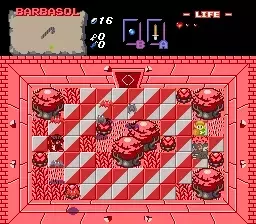
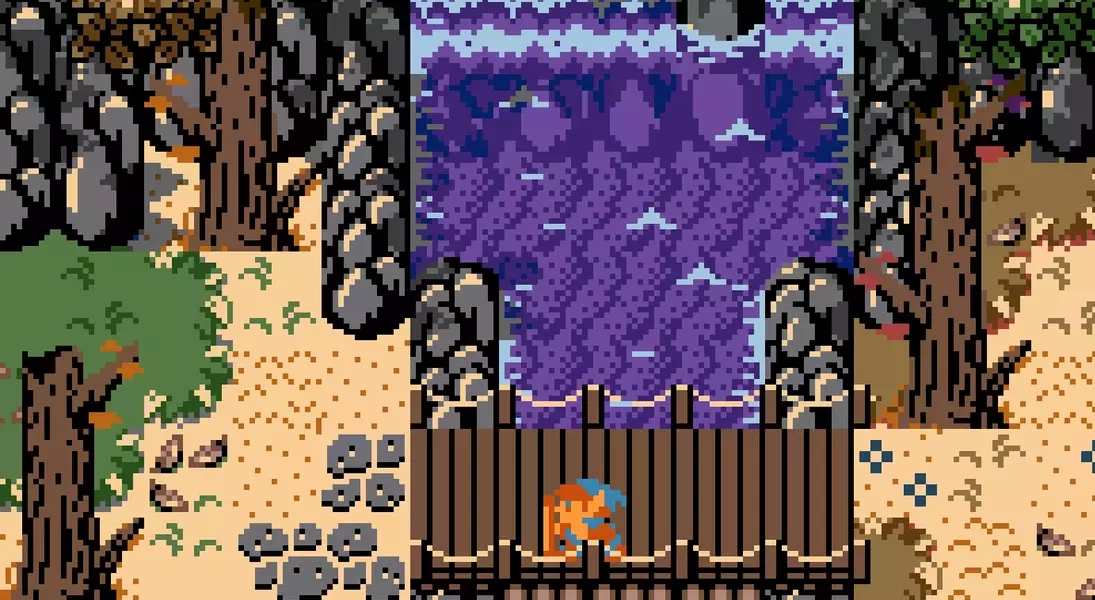
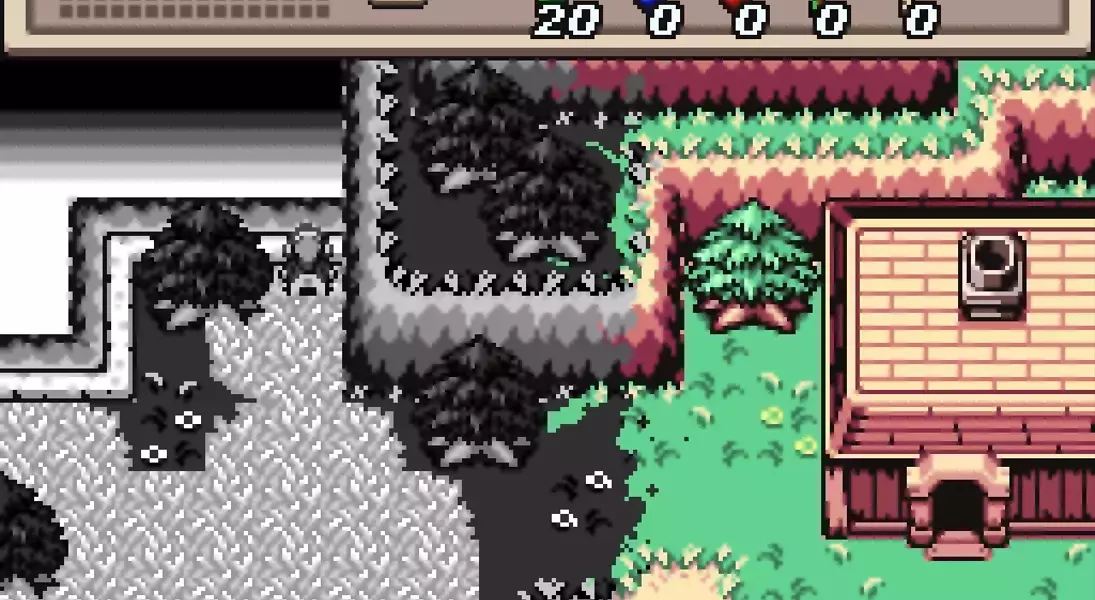
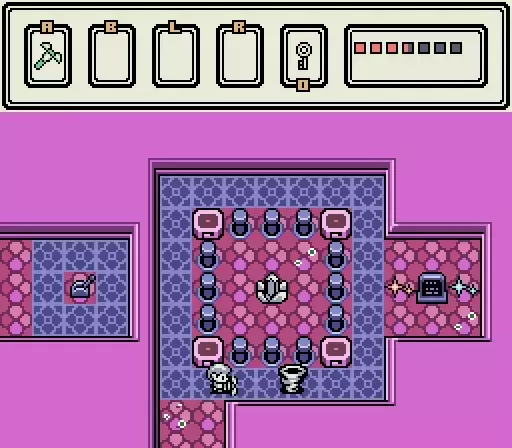
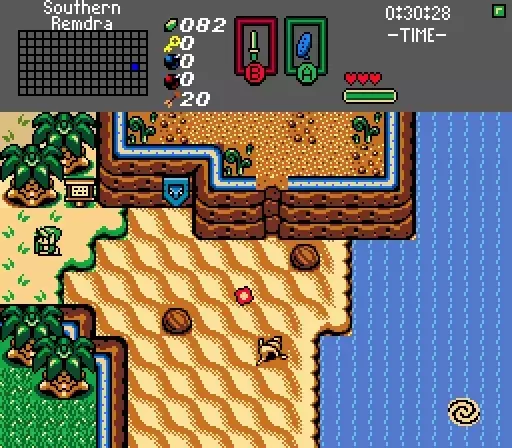
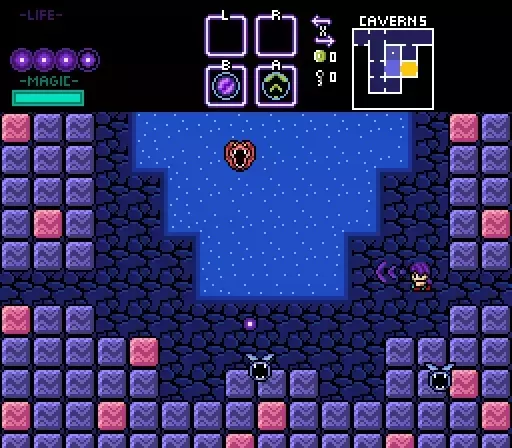
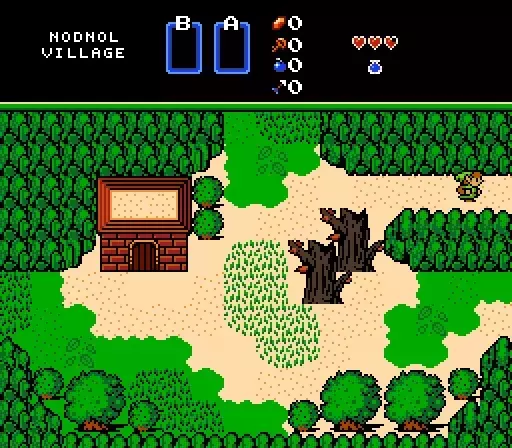
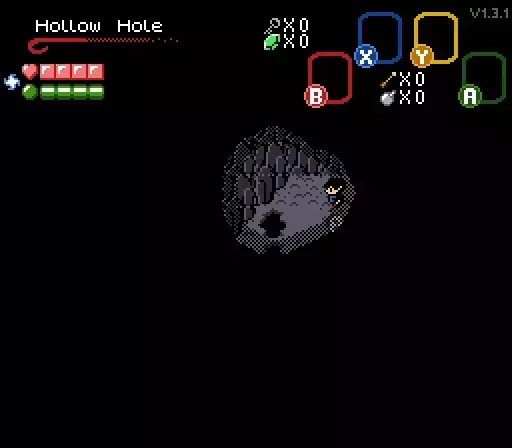
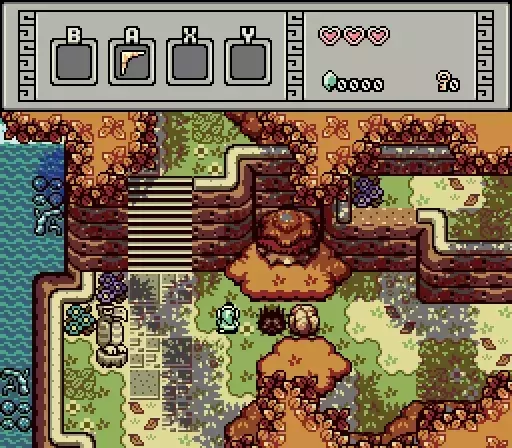
Clark emphasizes that ZQuest's enduring appeal stems from its ability to rapidly translate creative ideas into playable experiences. He notes that for anyone aspiring to make a Zelda-like game, ZQuest has historically provided the most straightforward path to seeing their vision materialize on screen. It empowers individuals, even young enthusiasts, to quickly develop and share their games. The engine's lean visual style and community-driven nature have cultivated a rich repository of fan-made "quests," collected on the platform PureZC. These quests, distributed as .qst files, span various genres from Metroidvania to NES-style adventures, showcasing the engine's flexibility. While advanced users can leverage ZScript for deeper customization, many impressive creations require no coding. "The Deep," a popular Metroidvania quest from 2024, exemplifies this, having won a community contest in a non-scripted category despite being developed in just three weeks. Larger projects, like "Lost Isle" and "The Hero of Dreams," represent multi-year endeavors, delivering extensive and polished experiences reminiscent of unreleased Game Boy Advance titles. Across thousands of diverse quests, a shared reverence for Nintendo's iconic series unifies the community's creative output.
Eddy Oliveira, a prominent quest developer, discovered ZQuest at the age of ten, driven by a desire to transform his paper-drawn dungeon designs into interactive games. Despite humble beginnings, he became one of the most prolific creators in the community, with over 20 quests to his name, including the aforementioned Mega Man tribute. Oliveira recalls creating a vast number of quests throughout his academic years, not out of a specific goal, but fueled by positive community feedback and a profound sense of belonging. He cherishes the passion and shared interest in Zelda that bind the community, describing it as an incredibly supportive and helpful online home.
The collaborative dynamic between Venezia and Clark is crucial to ZQuest's continuous progress. Clark, described by Venezia as the project's "glue," ensures that all .qst files remain compatible with the latest engine versions. Since joining in 2022, he has spearheaded a major engine rewrite, expanded its compatibility to Mac and Linux, and implemented a replay system for efficient testing of changes on older quests. Venezia, conversely, acts as the "mad scientist," constantly envisioning new features, from increasing sprite limits to expanding item counts, driving the engine's evolutionary advancements. Having devoted twice as long to ZQuest as Clark, she believes her intervention was vital in preventing the project's demise after its previous lead became inactive.
The current version, 2.55, released in September 2024, is paving the way for a substantial 3.0 overhaul. This update promises significant enhancements, including "scrolling regions" for larger, interconnected play areas, a built-in ZScript debugger, and numerous fixes and stability improvements. Future ambitions include integrating a new, original tileset, offering developers copyright-free pixel art assets and further solidifying the project's independence. The unwavering commitment of developers like Venezia and Clark is powered by the sheer joy of witnessing others bring their imaginative creations to life, a testament to the enduring spirit of community and shared passion that defines ZQuest Classic.
