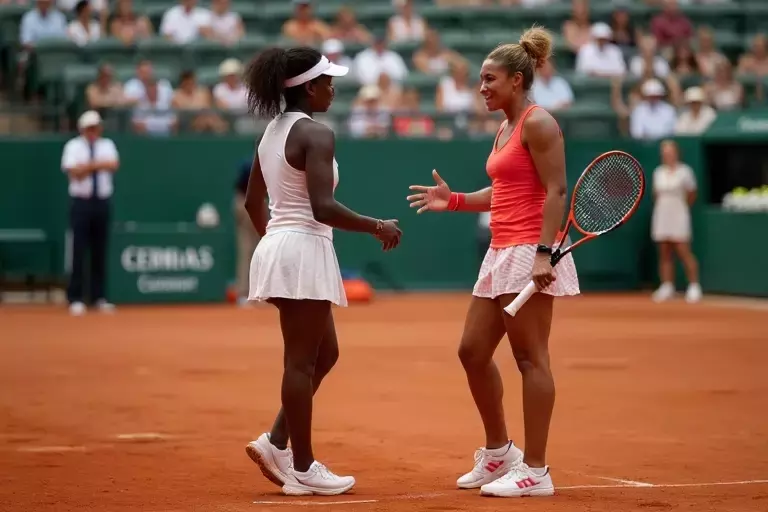

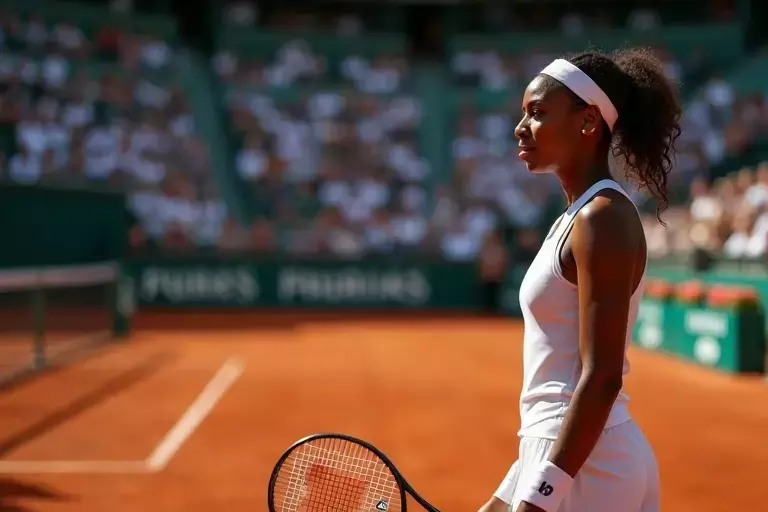
The French Open has chosen to retain the traditional line calling system, despite other tournaments embracing electronic systems. This decision highlights a divide in preferences among fans and players, with some advocating for technological integration while others support human judgment. The president of the French Tennis Federation explained that potential inaccuracies in electronic systems, combined with the importance of preserving human roles within tennis infrastructure, influenced their choice. Meanwhile, top player Coco Gauff expressed her preference for adopting modern technology but respects the tournament's stance.
This approach underscores concerns about errors in electronic systems observed during previous events and emphasizes the significance of maintaining human involvement in tennis operations. Additionally, discussions reflect differing opinions between fast-paced surfaces like grass courts versus clay courts where physical ball marks can aid decisions. While players like Gauff lean towards innovation, the French Open prioritizes tradition and reliability through experienced line judges.
Prioritizing Tradition Over Technology at Roland Garros
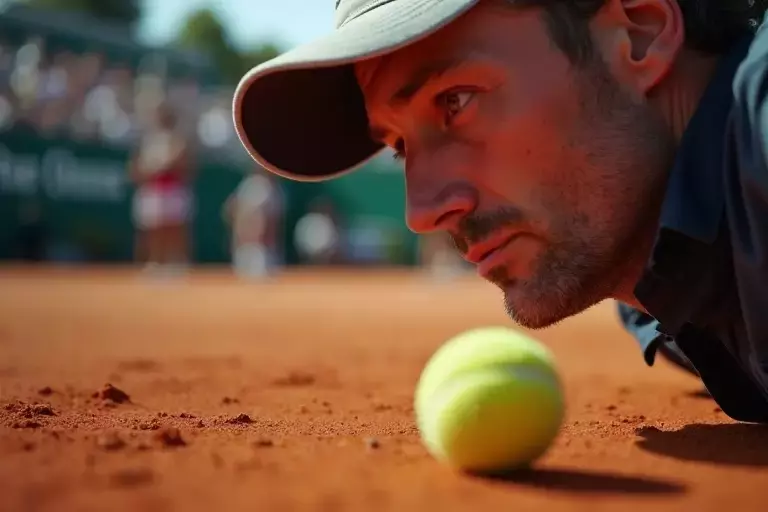
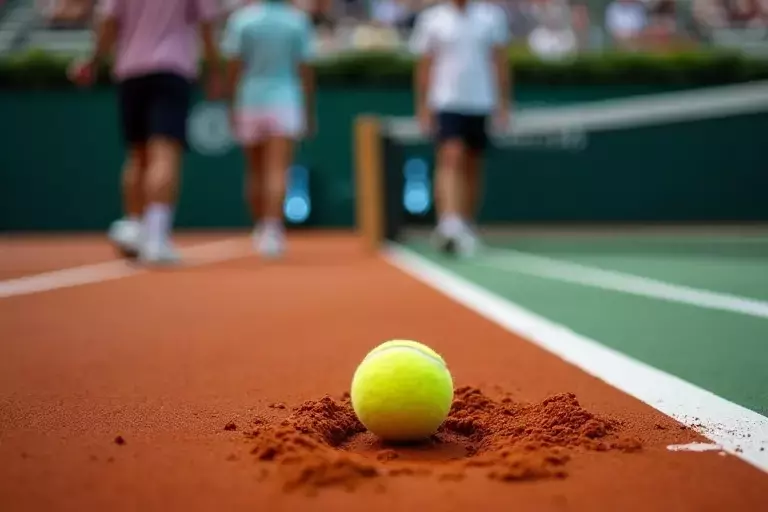
Gilles Moretton, President of the French Tennis Federation, revealed that opting against electronic line calling stems from issues witnessed in earlier tournaments such as Madrid and Rome. These experiences exposed flaws in current technologies used predominantly by ATP but not yet fully embraced by WTA circuits. On clay courts especially, discrepancies arise when relying solely on automated systems due to visible ball marks aiding manual verification. Thus, retaining human line judges ensures accuracy while fostering connections across various levels of competitive play nationwide.
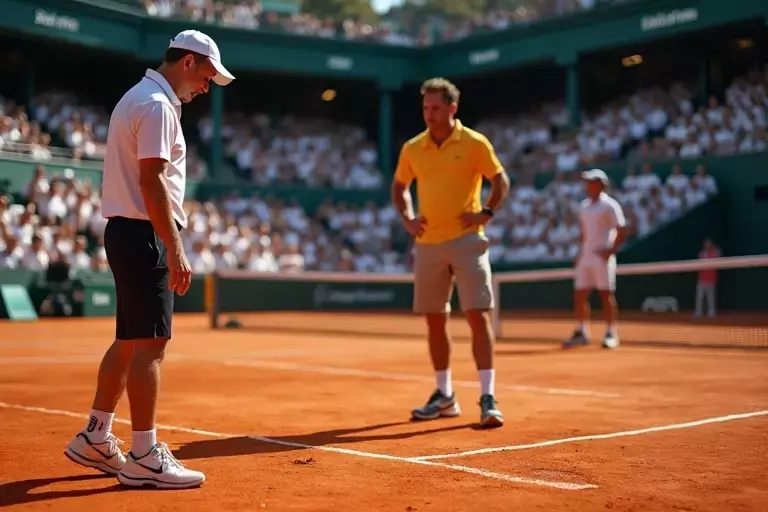
Moretton highlighted instances involving prominent athletes questioning calls based on photographic evidence, illustrating scenarios where human intervention remains crucial. He pointed out an approximate 10% margin of error associated with existing electronic solutions. By choosing tradition over automation, the French Open supports local communities engaged in smaller-scale competitions throughout France. Furthermore, these individuals contribute significantly to promoting tennis culture beyond elite international stages. Consequently, preserving this workforce strengthens grassroots development efforts essential for sustaining long-term growth within the sport.
Diverse Perspectives Among Players Regarding Line Calling Methods
While the French Open maintains its commitment to conventional methods, notable figures express varying degrees of interest in exploring alternatives. World number two Coco Gauff voiced mild support for integrating advanced technologies into professional matches. Although she acknowledged no strong personal bias toward either method, her comments suggest openness towards leveraging available resources to enhance precision during high-stakes encounters. Such remarks indicate evolving attitudes among younger generations who embrace progress alongside respect for established traditions.
Gauff’s perspective contrasts slightly with the official stance upheld by Roland Garros organizers. She emphasized understanding both sides of the argument while subtly favoring mechanized assistance given today's rapid advancements. Despite acknowledging the value provided by seasoned umpires, she proposed considering enhancements offered via robotics or similar innovations. Her upcoming encounter against Olivia Gadecki serves as another opportunity to witness how traditional line judging impacts match outcomes amidst ongoing debates surrounding optimal approaches for ensuring fairness in tennis officiating.
