
Fast Retailing, the conglomerate behind brands like Uniqlo, Theory, and Helmut Lang, has announced the appointment of Francesco Risso as the new creative director for GU, its more budget-friendly Japanese clothing chain, often regarded as Uniqlo's younger counterpart. This significant development follows Risso's departure from the Italian luxury house Marni last summer. In addition to spearheading GU's creative direction, Risso is slated to develop a collaborative line with UNIQLO, building on his previous successful partnership with the brand in 2022 during his tenure at Marni. His debut collection for GU is eagerly awaited for Fall/Winter 2026, with the UNIQLO collaboration set to launch the same year. Fast Retailing's objective for this appointment is to bolster GU's international footprint and steer the brand into a new phase of expansion under Risso's creative leadership.
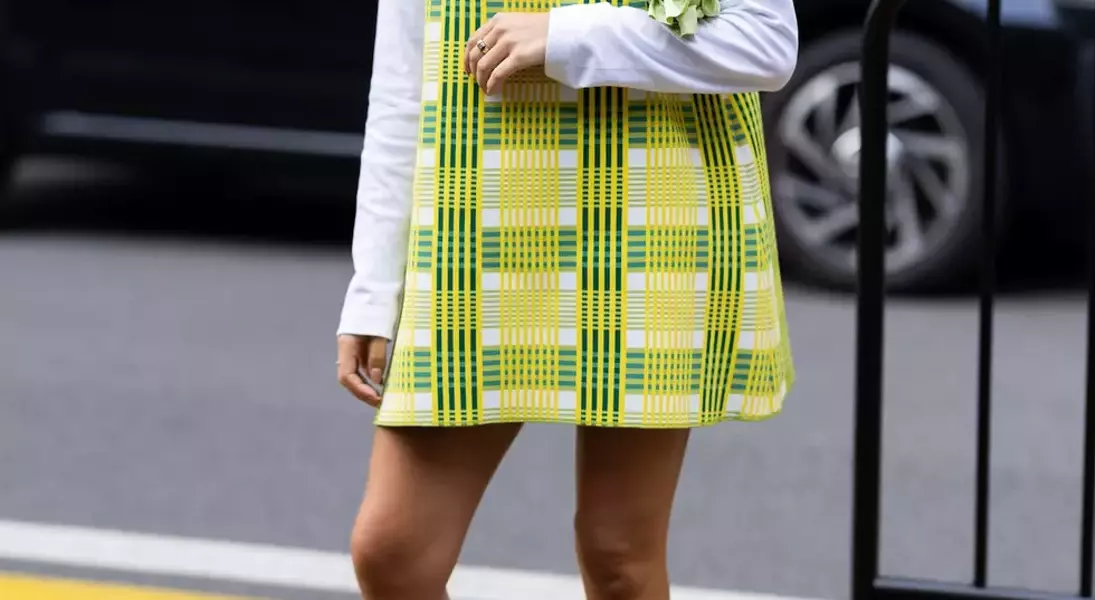
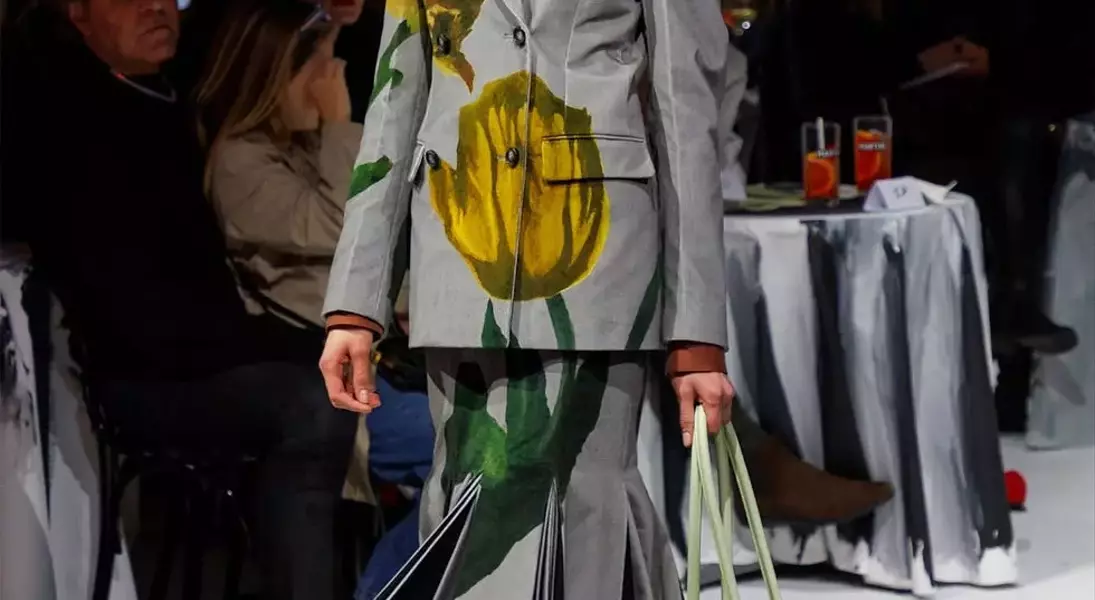
Risso's career in high fashion is marked by considerable success and critical acclaim. After honing his skills at Prada for approximately a decade, the Italian designer, who studied in Florence, New York, and London, took the helm as creative director at Marni in 2016. During his time there, he captivated the fashion world with his distinctive artisanal approach, infusing classic feminine silhouettes with a unique blend of quirkiness, humor, and surrealism. While Marni under Risso received accolades for its creativity, some critics questioned its commercial viability, particularly in later years. However, his previous collaboration with Uniqlo in 2022 demonstrated a harmonious blend of artistic vision and practicality, showcasing versatile pieces like checked bubble skirts in functional fabrics and vibrant, painterly prints on approachable silhouettes, suggesting his ability to translate high design into widely appealing fashion.
Risso's transition to a mass-market brand is part of a growing trend where acclaimed designers bridge the gap between luxury and accessibility. This strategy offers designers like Risso an expanded audience and potential financial benefits from higher sales volumes, while providing consumers with access to high-fashion aesthetics at more affordable prices. This cross-market collaboration not only enhances the visibility of designers but also injects fresh perspectives into accessible fashion lines, ensuring that creative designs reach beyond exclusive circles. Ultimately, this move promises to make sophisticated and unique fashion more attainable, enabling a broader demographic to incorporate designer-led pieces into their everyday wardrobes, fostering a more inclusive and dynamic fashion landscape.
