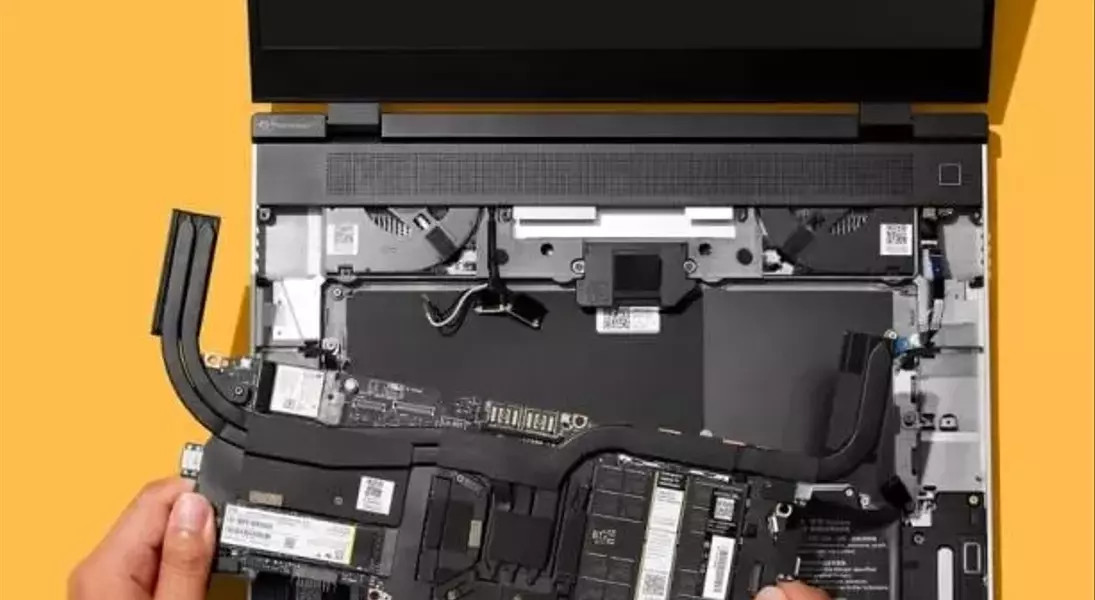
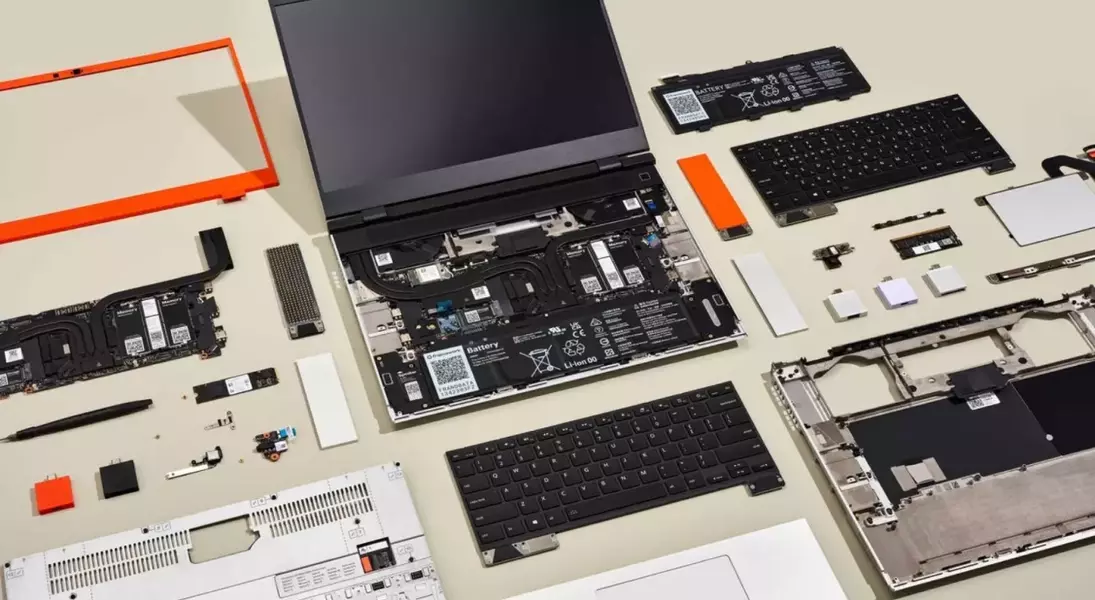
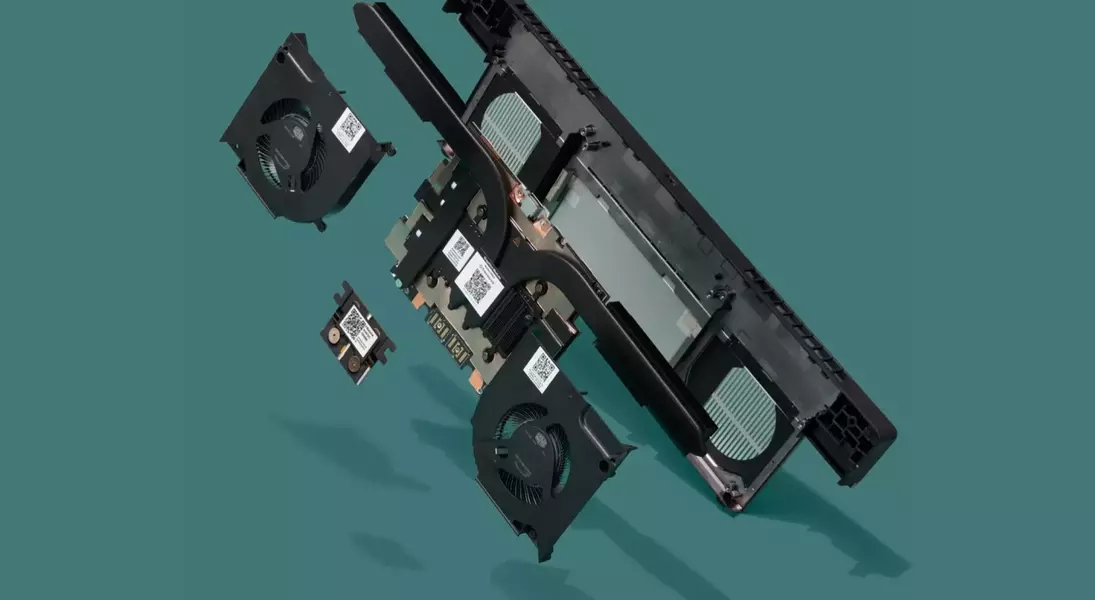
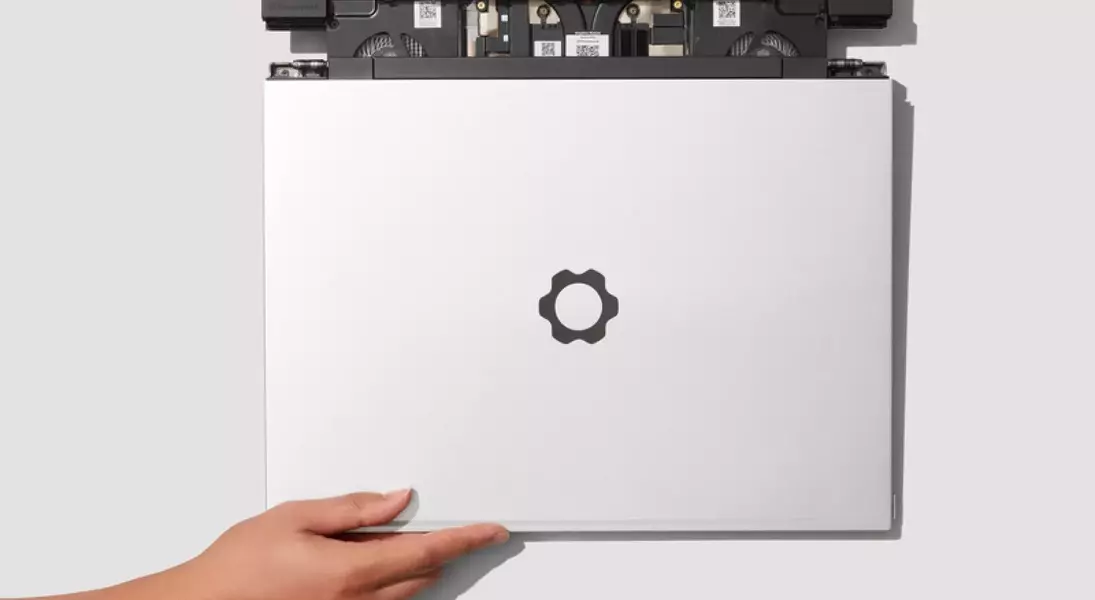
Framework, a pioneer in the realm of modular computing, has officially announced a significant enhancement to its flagship Laptop 16. This autumn, the highly anticipated NVIDIA GeForce RTX 5070 graphics module will become available, marking a pivotal moment for the company and its dedicated user base. This development underscores Framework's unwavering commitment to providing easily repairable and upgradeable devices, pushing the boundaries of what's possible in personal computing.
Framework Laptop 16: A New Era of Performance and Modularity
In a groundbreaking announcement, Framework has unveiled its latest innovation: the integration of an NVIDIA GeForce RTX 5070 graphics module into the Framework Laptop 16. This highly anticipated addition is poised to revolutionize the modular laptop experience, offering substantial performance upgrades for users. Preorders for this enhanced model are now open, with initial shipments scheduled for November, just in time for the cooler autumn days. Pricing for this cutting-edge machine begins at a competitive $1,499, available in both pre-built and DIY configurations, catering to a diverse range of users from tech enthusiasts to professional creators.
The original Framework Laptop 16, which first debuted in 2023 with AMD Radeon graphics, will now be offered at a more accessible entry price of $1,299, down from its initial $1,399. While the Ryzen 9 configurations of the original model will gradually be phased out, the Ryzen 7 version will continue to be produced, ensuring that users still have a robust and cost-effective option. This strategic move allows Framework to streamline its product line while introducing a powerful new contender.
The demand for an NVIDIA-powered GPU module has been fervent within the Framework community since the launch of the 16-inch desktop replacement. Framework CEO Nirav Patel confirmed that the company has dedicated the past two years to the meticulous development of this new module, collaborating closely with industry giants NVIDIA, AMD, and its Taiwanese manufacturing partner, Compal. Patel emphasized that this new module represents a \"huge leap in performance and capability,\" a testament to the collaborative effort and engineering prowess involved.
One of the most compelling aspects of this new graphics module is its backward compatibility with the original Framework Laptop 16. This means that current owners will not need to purchase an entirely new machine to experience the latest generation of graphics. They can simply acquire the new module, seamlessly integrating it into their existing setup. This adheres to Framework's core philosophy of extendable longevity and reducing electronic waste, allowing users to upgrade components as technology evolves without replacing the entire device.
The new RTX 5070 module, equipped with 8GB of VRAM, promises a remarkable 30 to 40 percent increase in gaming framerates compared to the previous Radeon RX 7700S graphics module. Beyond raw performance, this module introduces enhanced functionality, including display output and power input capabilities via the rear USB-C port, and a redesigned, quieter thermal system to ensure optimal performance under heavy loads. Framework also confirmed that the Radeon module will continue to be sold, now featuring the same updated thermal enhancements.
Further advancements extend to the CPU side, with the updated Framework Laptop 16 now featuring AMD Ryzen AI 300 Series processors, available in both eight-core Ryzen 7 and twelve-core Ryzen 9 options. Users seeking less intensive graphical tasks can opt to swap the dedicated graphics module for an expansion bay shell, leveraging the integrated graphics for improved battery life and portability. This flexibility further solidifies the Framework Laptop 16's position as a truly adaptable computing solution.
Additional upgrades coming this fall include a redesigned mainboard supporting four simultaneous display outputs (an increase from the previous three), configurable RAM options up to an impressive 96GB, and storage capabilities reaching up to 10TB. A more robust 240W USB-C adapter replaces the prior 180W version, and the 165Hz, 2560 x 1600 display panel now supports G-Sync technology for smoother visuals. The webcam module has been updated, and the laptop boasts a more rigid aluminum top cover, along with an improved keyboard featuring new artwork and refined firmware behavior to prevent accidental wake-ups when the lid is closed. With the exception of the Gen 1 display panel, which will not receive G-Sync support, most of these new features and components are designed to be compatible with the original Framework Laptop 16, reinforcing the company's commitment to user-centric, sustainable design.
Framework's trajectory this year has been marked by continuous innovation. Earlier, the company refreshed its more compact Framework Laptop 13 with Ryzen AI 300 Series CPUs and introduced two entirely new products: the Framework Laptop 12, their inaugural touchscreen convertible, and the compact Framework Desktop. These innovations, coupled with a record-high manufacturing volume in July, demonstrate Framework's resilience and adaptability amidst fluctuating market conditions and U.S. tariffs.
The Future of Computing: A Modular Vision
The latest advancements from Framework represent more than just incremental upgrades; they symbolize a profound shift towards a more sustainable and user-empowering future for personal computing. By prioritizing modularity and user repairability, Framework is not only challenging the industry's traditional throwaway culture but also fostering a deeper connection between users and their technology. This approach allows for greater customization, extended product lifespans, and a reduced environmental footprint. As technology continues its rapid evolution, Framework's commitment to accessible upgrades ensures that consumers can stay at the forefront of innovation without the constant need for entirely new investments, making high-performance computing more democratic and responsible.
