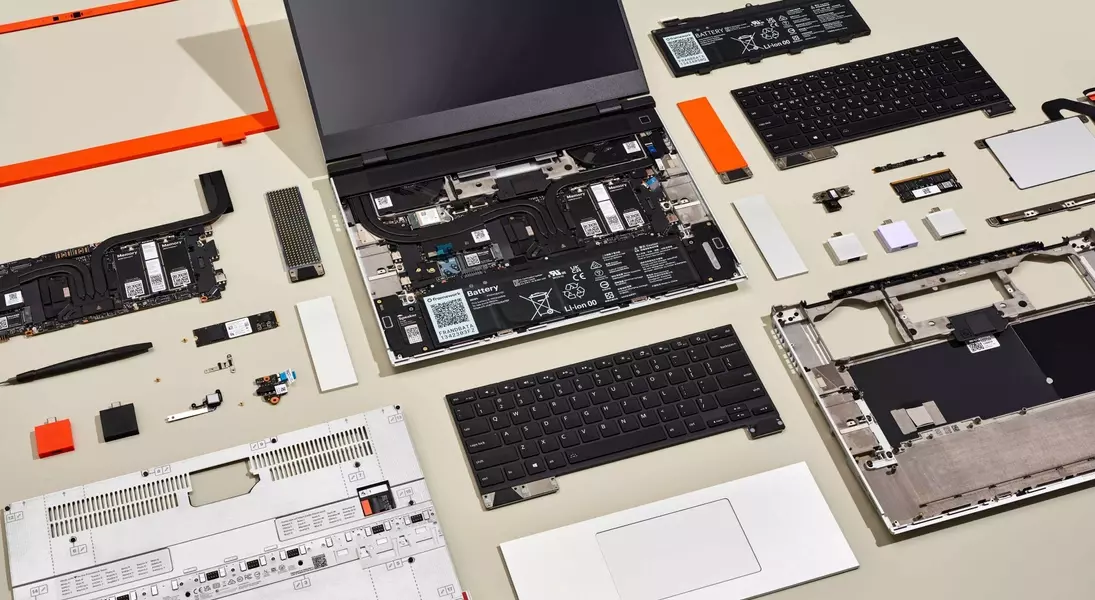
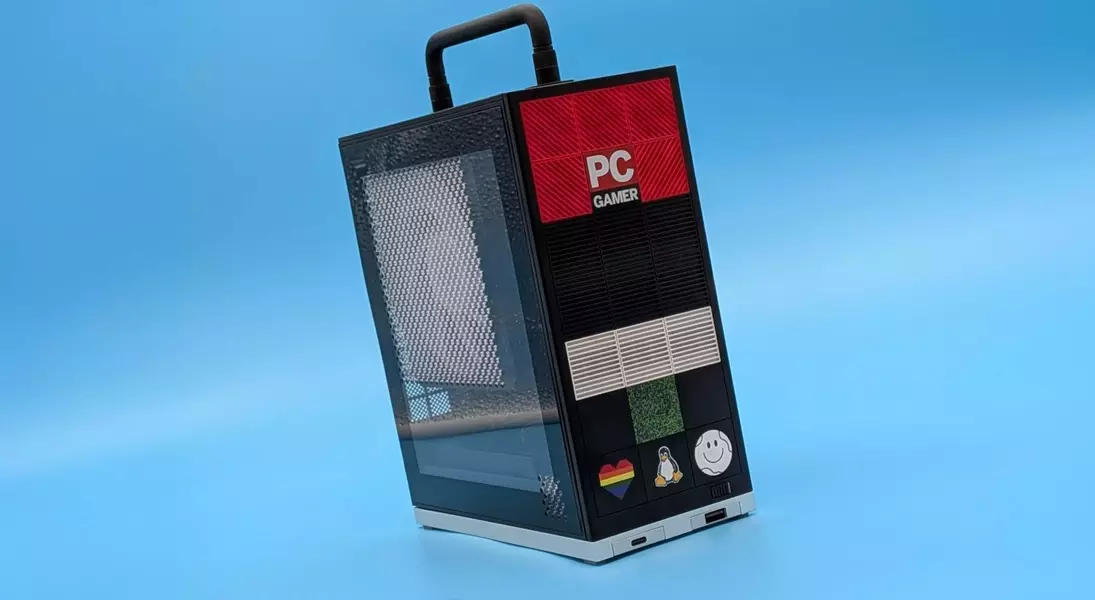
Framework, a pioneer in modular computing, has revealed upcoming price adjustments for its desktop and mainboard product lines. This move comes as a direct consequence of the escalating costs of memory components in the global market. While the company previously managed to shield its laptop memory offerings from similar price hikes, the persistent and rapid rise in supplier costs has now extended to its desktop and mainboard segments, particularly impacting configurations utilizing high-capacity memory chips. Framework emphasizes that these adjustments are a necessary measure to offset increased manufacturing expenses, rather than a strategy to enhance profit margins.
The current landscape of the memory market presents significant challenges for hardware manufacturers and consumers alike, with forecasts indicating a prolonged period of instability. Framework's decision to revise pricing reflects the broader industry trend influenced by factors such as increased demand, supply chain disruptions, and the growing influence of AI technologies on memory consumption. Despite these challenges, Framework remains committed to its core values of transparency and customer fairness, ensuring that all existing pre-orders will be fulfilled at their original prices. The company continues to navigate this volatile market by meticulously managing inventory costs to mitigate the impact on its loyal customer base.
Rising Memory Costs Impact Framework's Desktop and Mainboard Pricing
Framework, a company lauded for its innovative modular computing devices, has recently announced an upward revision in the prices of its Desktop and Mainboard offerings. This decision stems from the relentless increase in memory component costs, a trend that has particularly affected the 128 Gbit chips integral to its higher-capacity configurations. The company had successfully absorbed memory price surges for its laptop range last year, but the sustained volatility in the memory market has now necessitated similar adjustments for its desktop products. Framework underscores that these price hikes are implemented strictly to cover the elevated costs from suppliers, with no intention of widening profit margins.
The price adjustments reflect the challenging environment within the semiconductor industry, where memory component prices have been steadily climbing. For instance, a 32 GB Framework Desktop Mainboard with an AMD Ryzen AI Max 385 chip, previously priced at $799 / £799, will now cost $839 / £839. More significantly, the 128 GB option with the AMD Ryzen AI Max 395, which was $1,699 / £1,699, has seen a substantial increase to $2,159 / £2,159. Framework is actively using a Weighted Average Cost approach to manage its inventory, aiming to cushion the impact of these fluctuations on consumers. Furthermore, the company has pledged to honor the original pricing for all pre-existing orders, maintaining customer trust amidst these changes.
Navigating the Volatile Memory Market and Future Outlook
The current memory market instability, dubbed the “RAMpocalypse”, is posing considerable challenges for hardware manufacturers, and Framework is no exception. Insights gathered from industry meetings at CES with suppliers, distributors, and partners suggest that the memory market will remain turbulent for the foreseeable future, potentially extending for several years. This grim outlook implies that consumers should anticipate continued upward pressure on memory prices, affecting a wide array of computing products. Framework had previously voiced concerns about other manufacturers exploiting memory pricing, and while it strived to avoid similar practices, the current market dynamics have compelled it to make these adjustments.
In December, Framework had already implemented a 50% increase in memory prices for its laptops, raising the cost of 16 GB to $160 and 32 GB to $320 for dual-channel configurations. The company's latest announcement extends these adjustments to its desktop and mainboard product lines, reflecting the pervasive nature of rising memory costs across the entire hardware ecosystem. This situation highlights the broader economic forces at play, including increased global demand, limited production capacity, and the burgeoning requirements of artificial intelligence applications, all contributing to the persistent escalation of memory prices. Framework's commitment to transparency and fairness, however, ensures that these necessary price revisions are communicated clearly, with a focus on covering actual cost increases and protecting pre-order customers.
