The latest installment in the Forza Horizon series, Forza Horizon 6, attempts to reintroduce a more structured career progression through its 'wristband system.' However, despite this intention, players are quickly inundated with a plethora of high-performance vehicles and in-game currency, diminishing the sense of earned achievement that older racing games offered. This leads to a somewhat diluted experience where the journey from a novice racer to a supercar owner feels less impactful than anticipated.
Forza Horizon 6's Progression Paradox: Abundance Over Achievement
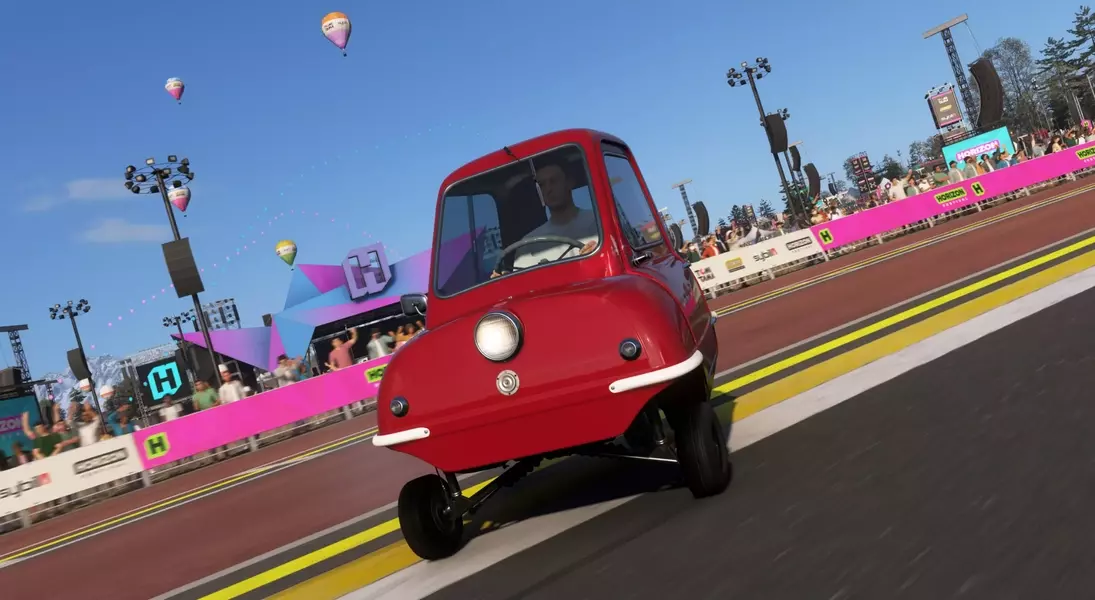
In the vibrant world of Forza Horizon 6, set against the stunning backdrop of Japan, developers aimed to rekindle the nostalgic flame of career progression with the reintroduction of 'wristband progression.' This system, as explained by Design Director Torben Ellert during a recent Developer Direct, was designed to guide players from humble beginnings as a 'tourist' to a celebrated racing legend by unlocking higher-tier wristbands through completing races in increasingly powerful vehicles. The initial promise was a gradual ascent, requiring players to earn their stripes and secure a coveted spot within the Horizon Festival.
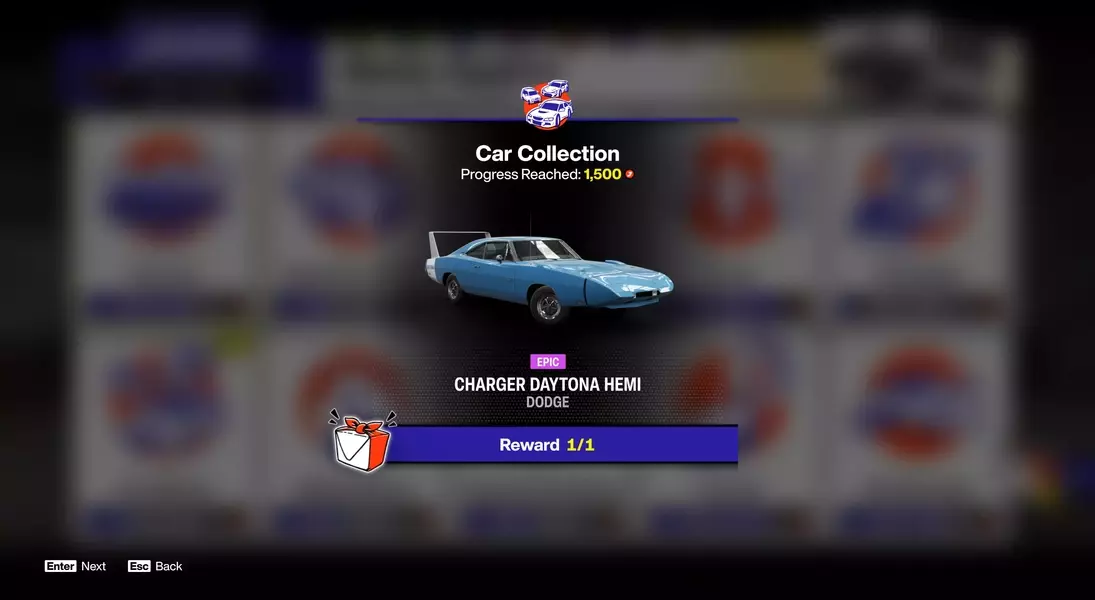
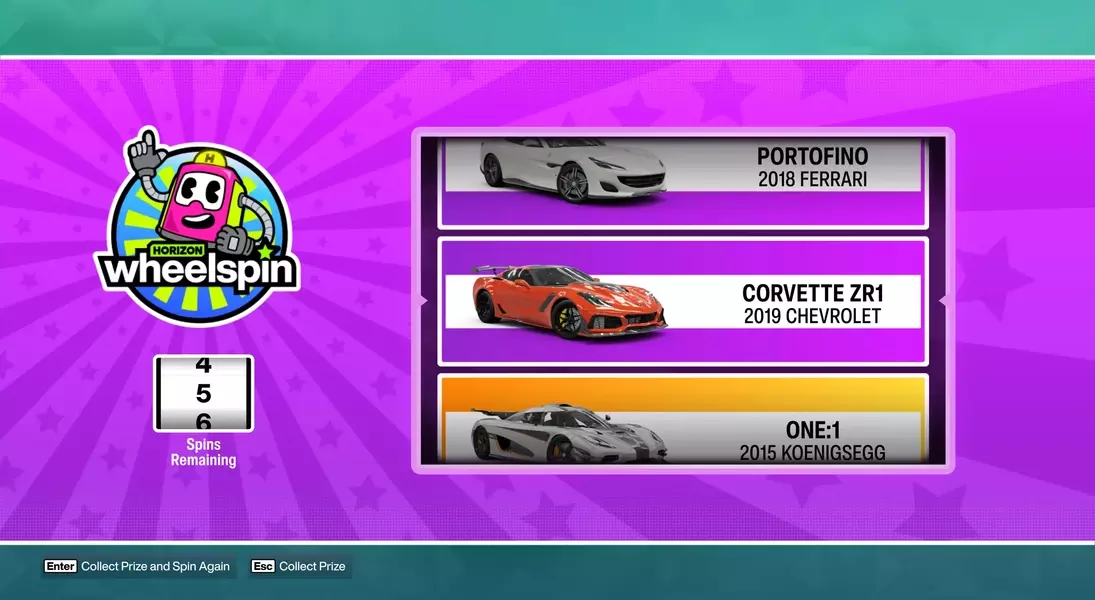
However, the reality for many players, including veteran racing enthusiast Rory Norris, is a departure from this envisioned path. From the outset, new players are often granted a collection of desirable cars and substantial in-game currency, particularly those who have played previous titles or purchased premium editions. This immediate influx of resources, further amplified by frequent rewards from 'Wheelspins'—which lavishly bestow expensive cars and cash—significantly bypasses the intended grind. As Norris points out, the concept of being a 'tourist' quickly dissolves when one's garage is already brimming with top-tier vehicles and virtual wealth, rendering the starting car choice almost irrelevant after the initial race.
While the game does implement restrictions on vehicle performance ranks for the main Festival events, preventing the use of overpowered cars in early stages, these limitations don't extend to the expansive open world or 'Discover Japan' side activities. Players can freely roam and compete in street races with their high-performance machines, effectively circumventing the structured progression. This dichotomy between a seemingly linear career mode and the game's inherent open-world freedom creates a unique paradox: players can achieve virtual success with minimal effort, transforming the pursuit of high-end vehicles from a challenging goal into an easily attainable perk. The core satisfaction of advancing from a basic model to a supercar, a cherished memory for many fans of the series, is consequently diminished by this generosity.
The current progression system in Forza Horizon 6 presents a fascinating dilemma. While it offers unparalleled freedom and a constant stream of rewards, it inadvertently sacrifices the deeper satisfaction derived from overcoming challenges and gradually building a formidable car collection. The instant gratification, while entertaining, might leave some players yearning for a more robust and demanding career path that truly tests their dedication and skill. Yet, for others, this approach might be the ideal balance, allowing them to dive straight into the exhilarating experience of driving their dream cars without the prolonged wait. The debate continues, reflecting the evolving expectations of racing game enthusiasts.
