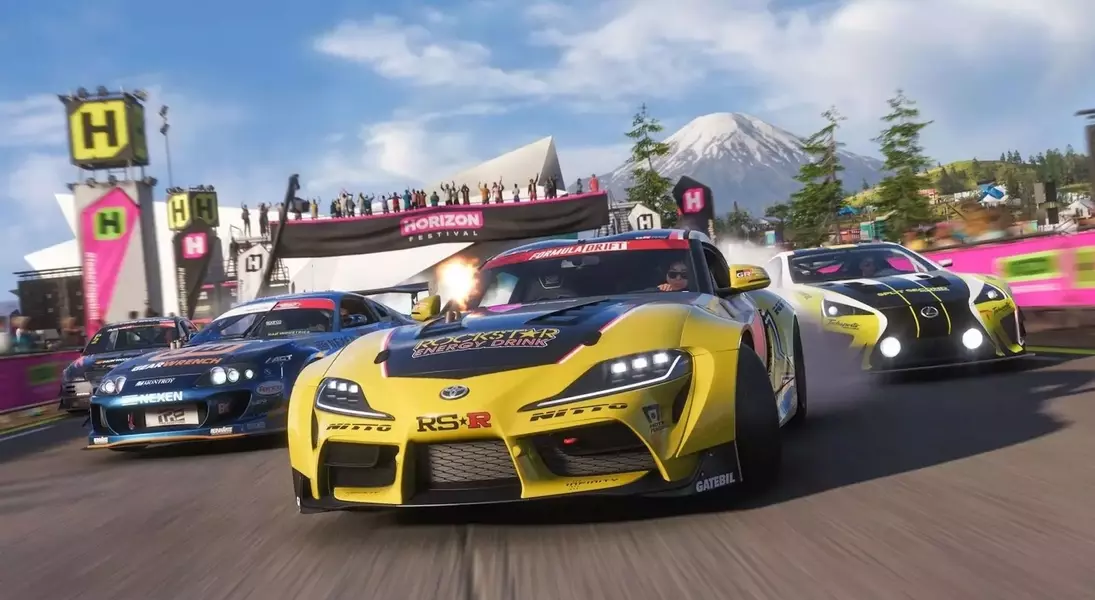
Forza Horizon 6 has undeniably set a new benchmark, captivating both critics and a vast player base to become the most celebrated game of 2026 thus far. Its journey to potential Game of the Year recognition, however, navigates a complex landscape shaped by historical genre biases within prominent award circuits. This installment, boasting exceptional polish and an unprecedented level of popularity, faces the challenge of transcending the historical reluctance to honor racing games in the most coveted category, despite its undeniable artistic and technical merits.
Details of Forza Horizon 6's Ascendancy
In the spring of 2026, the gaming world witnessed the meteoric rise of Forza Horizon 6, a title that swiftly climbed to the zenith of review aggregation platforms like Metacritic and OpenCritic. Achieving the coveted 90+ rating, it stands as the first game of the year to reach such critical acclaim without the usual caveats of expansions or niche appeal. This triumph is particularly notable given the previous installment, Forza Horizon 5, despite similar critical success in 2021, failed to secure a Game of the Year nomination at The Game Awards, a decision often attributed to a pervasive genre bias against racing titles.
The narrative surrounding Forza Horizon 6 is markedly different. Its success isn't just about critical scores; it's about immense popularity. On platforms like Steam, the game has already far surpassed its predecessor in player numbers, demonstrating a widespread appeal that can no longer be ignored. Furthermore, the game benefits from a quieter competitive landscape in the early part of 2026, with many potential contenders either facing genre-specific handicaps, critical indifference, or tarnished reputations. This clear runway allows Forza Horizon 6 to firmly establish itself as a frontrunner long before the major award considerations.
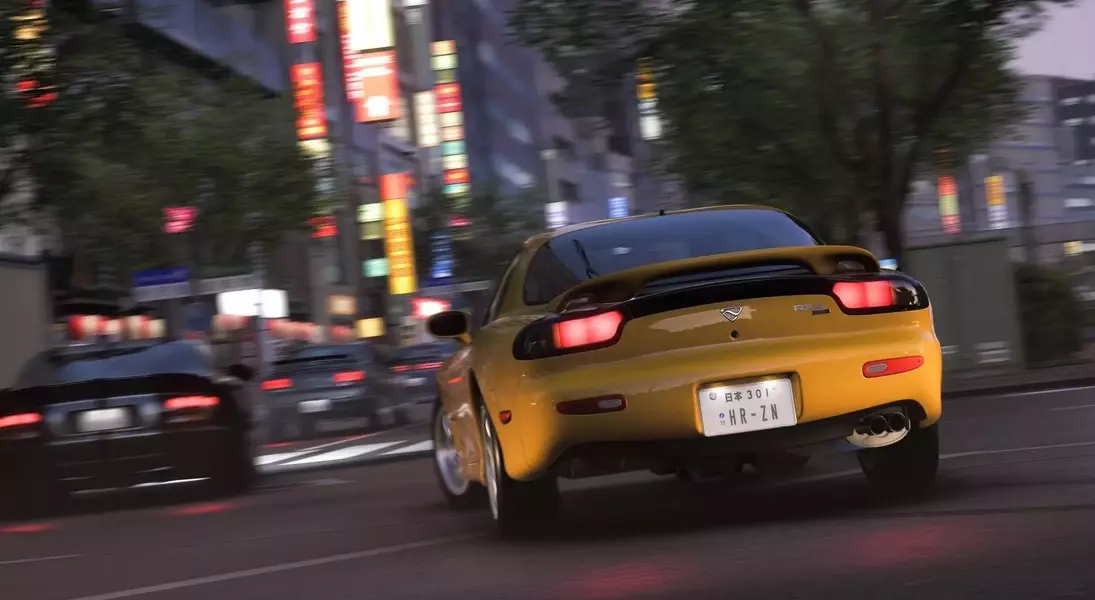
Perhaps the most significant innovation, and a key factor in its heightened critical and cultural resonance, is its immersive Japanese setting. Playground Games has meticulously crafted an environment rich with deep and thoughtful references to Japanese culture and pop phenomena, including nods to iconic series like Initial D and Gundam. While racing games typically aren't lauded for their narrative depth, this cultural immersion provides Forza Horizon 6 with an emotional texture and broader artistic appeal that elevates it beyond a mere "car game in a pretty location." This thoughtful integration of cultural elements could be the critical differentiator that helps it overcome historical biases and finally secure a Game of the Year nomination, an achievement that would undoubtedly diversify the representation of gaming's fabulously diverse art forms at major awards.
Reflections on the Evolving Landscape of Game Awards
The stellar performance of Forza Horizon 6 sparks a crucial conversation about the inclusivity and evolving criteria for "Game of the Year" recognition. Its overwhelming critical reception and unprecedented popular embrace challenge the traditional notions that have often marginalized racing games from top-tier awards. This moment serves as a powerful reminder that artistic merit and cultural impact can manifest across all genres. The industry, and particularly award juries, must continuously re-evaluate their perspectives to ensure that truly innovative and exceptionally executed titles, regardless of their genre, receive the acknowledgment they deserve, thereby fostering a more representative celebration of gaming's diverse and dynamic creativity.
