Three years post-launch, Square Enix's ambitious action-RPG, Forspoken, is primarily recalled for a specific, oft-quoted line of dialogue rather than its innovative mechanics or engaging narrative. This retrospective delves into the title's journey, from its initial promise of groundbreaking parkour and a sophisticated magic system to its eventual commercial struggles and the unfortunate closure of its development studio, Luminous Productions. We'll examine how a pre-release dialogue snippet inadvertently set the tone for public perception, ultimately hindering a game that harbored significant, albeit unpolished, potential.
The critical turning point for Forspoken arrived in August 2022, five months prior to its official release, when a gameplay trailer ignited a wave of online discourse. A particular snippet of dialogue, "I'm talking to a cuff!", was swiftly detached from its narrative context and transformed into a viral meme. This widespread mockery, which saw the line adapted to numerous other popular game franchises, painted the game's script in a negative light long before players could experience the full story. This early, predominantly negative conversation significantly dampened enthusiasm and anticipation for the game.
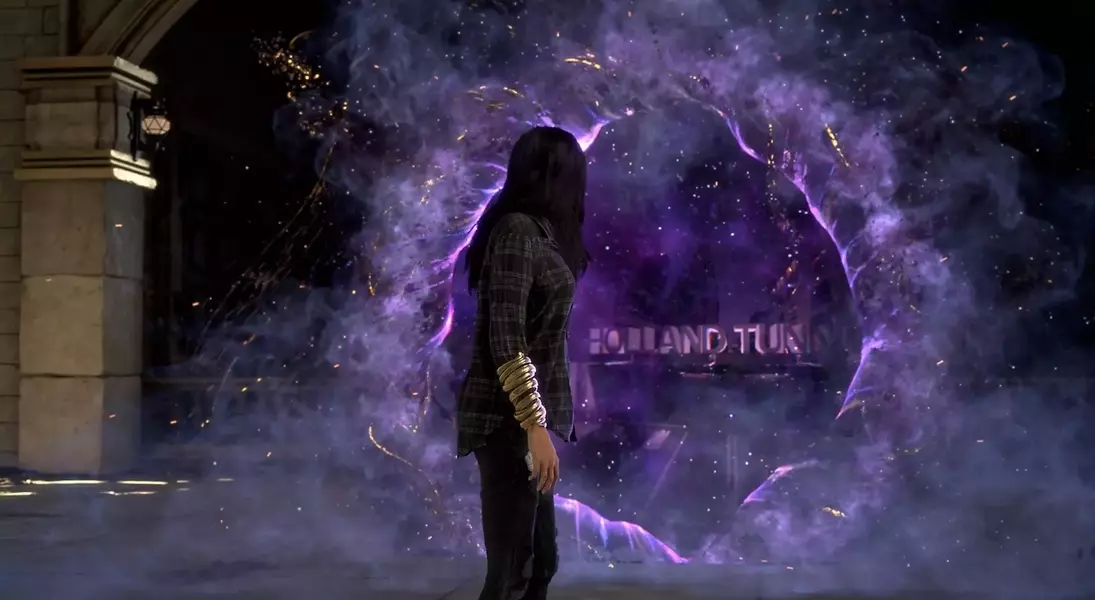
Within the game's narrative, the much-maligned line is delivered by the protagonist, Frey, a young woman who, after discovering a sentient bracelet named Cuff near Manhattan's Holland Tunnel, finds herself transported to a fantastical, blighted realm. Cuff, who grants Frey superpowers, attempts to guide her, but Frey, accustomed to self-reliance, struggles to accept assistance. This scene was intended to highlight Frey's deep-seated reticence to rely on others, a key aspect of her character development. However, the nuance of this character trait was lost in the meme-ification, reducing a moment of internal struggle to a point of ridicule.
The pre-release narrative heavily influenced the game's reception. Post-launch, Square Enix publicly acknowledged Forspoken's "lackluster" sales performance, a sentiment echoed by moderate critical reviews, with the game scoring a 64 on Metacritic. The Polygon review, for instance, described the experience as "bland." The culmination of these factors led to Square Enix's decision to reabsorb Luminous Productions, effectively ending any prospects for future installments in the series and silencing what could have been a promising new franchise.
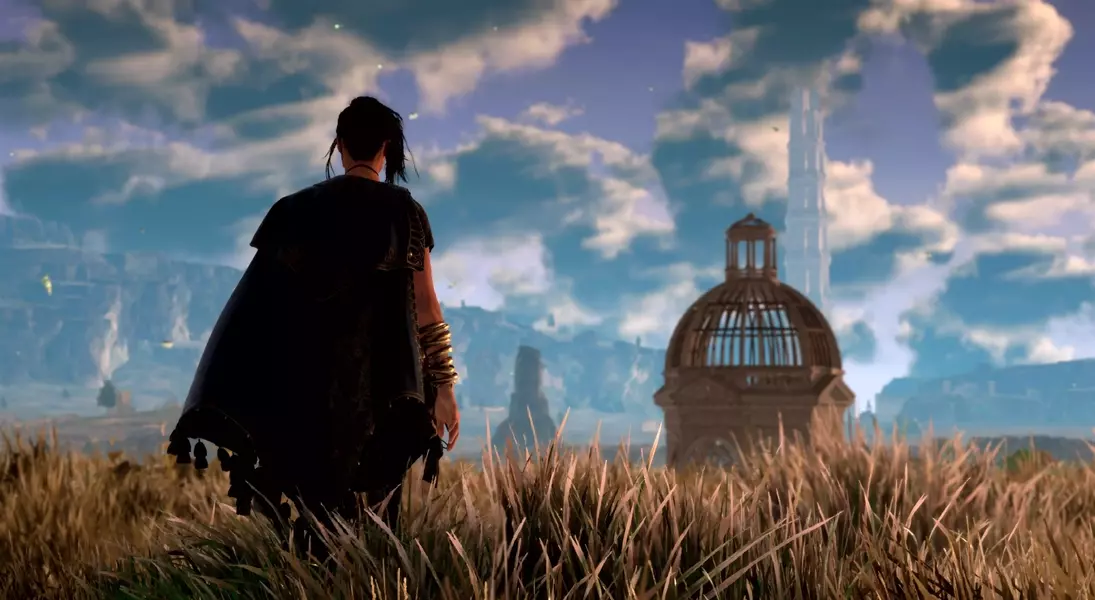
Despite its commercial and critical shortcomings, Forspoken introduced several innovative gameplay elements that held considerable promise for future development. The magic system, in particular, was a standout feature. Players could wield four distinct types of magic, each represented by a color and corresponding to a different ability class. Red magic offered offensive fire-based spells, blue focused on defensive water-based abilities, green provided lightning control, and purple allowed for earth manipulation. Each magic type also integrated unique traversal mechanics, enabling players to navigate the open world with exceptional speed and agility, making fast travel an often-unnecessary option.
The game's primary misstep, however, lay in its pacing regarding the introduction of these brilliant tools. Players had to progress significantly through the narrative, often exceeding half of the main story's 15-hour duration, before unlocking the full spectrum of magical abilities. This gradual unveiling meant that players were not able to fully engage with the rich and dynamic combat system from the outset. Had the developers entrusted players with the complete toolkit earlier, the conversation surrounding Forspoken might have shifted from its criticized dialogue to its undeniably engaging and innovative gameplay mechanics. The missed opportunity to refine these concepts in a sequel remains a poignant aspect of Forspoken's legacy.
Ultimately, Forspoken represents a fascinating case study in the video game industry. It demonstrated a bold vision with compelling gameplay mechanics and a unique traversal system, but struggled to overcome an early narrative setback and slow content rollout. The game's fate underscores the significant impact of initial impressions and the challenge of communicating a nuanced story in a soundbite-driven world. The potential for a truly refined and celebrated sequel, building upon the foundational innovations of the original, was unfortunately never realized.
