

Formula 1 racing, often characterized as the "fastest laboratory on Earth" by figures like Toto Wolff, serves as a remarkable incubator for advanced technologies. While this phrase might seem like a mere platitude, its underlying truth is undeniable. The immense investment in research and development aimed at shaving milliseconds off lap times invariably leads to breakthroughs with broader applications. These innovations extend beyond mere automotive enhancements, influencing diverse fields such as healthcare and urban infrastructure.
Details of Formula 1's Widespread Technological Impact
The technological spillover from Formula 1 can be observed in two primary areas: advancements in consumer vehicles and groundbreaking applications in non-automotive sectors.
Road Vehicle Enhancements:
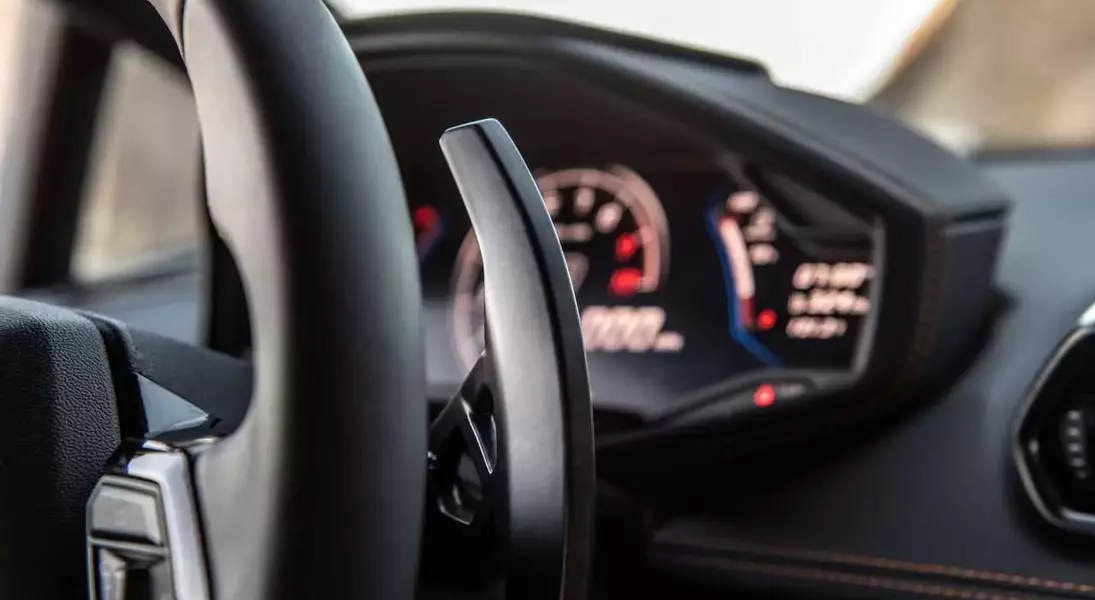
- Paddle Shifters: Prior to 1989, Formula 1 drivers manually operated gearsticks and clutches. However, Ferrari's 1989 640 model, under John Barnard's design, introduced a semi-automatic gearbox with paddle shifters. Initially, the system faced reliability challenges, but the significant time savings during gear changes, as noted by drivers Nigel Mansell and Gerhard Berger, quickly established its value. By 1997, this technology had transitioned into production cars, notably appearing in the F355 F1 road car, fundamentally altering how drivers interact with their vehicles.
- Advanced Hybrid Systems: The 2009 F1 season marked the debut of the Kinetic Energy Recovery System (KERS), a "push-to-pass" mechanism that utilized electrical energy to boost engine output. What began as a raw, albeit effective, power-boosting system has since been refined and optimized. Today, highly evolved versions of these hybrid powertrains are integral components in some of the world's most high-performance vehicles, including the Mercedes-AMG One and the Ferrari F80, showcasing F1's role in pioneering efficient and powerful automotive propulsion.
Beyond Automotive:
- The Aerofoil Refrigerator: Williams Advanced Engineering applied its expertise in computational fluid dynamics (CFD), originally used for developing F1 cars, to redesign open refrigerators in supermarkets. These conventional units often lost significant amounts of cooled air, leading to substantial energy waste. By developing an aerofoil that could be easily installed, Williams successfully redirected cold air back into the refrigeration unit, dramatically improving efficiency and reducing operational costs for businesses.
- Telemetry in Healthcare: McLaren Applied Technologies, a division of the renowned F1 team, recognized a parallel between the intricate data analysis involved in optimizing pit stops and the need for continuous patient monitoring in hospitals. In 2012, through the RAPID project with Birmingham Children's Hospital, McLaren implemented advanced telemetry systems to continuously and remotely track infants' vital signs. This initiative leveraged F1's data-intensive approach to provide real-time, critical health information, significantly enhancing patient care.
- London Bus Upgrades: The Williams F1 team's development of a flywheel-based KERS system, intended to store kinetic energy, initially proved unsuitable for race cars. However, this technology found an unexpected and impactful application in urban public transport. By 2012, Ian Foley, managing director of Williams Hybrid Power, announced that this system, when integrated into London buses that frequently stop and start, could lead to fuel savings of up to 30 percent, demonstrating F1's contribution to sustainable urban mobility.
It is truly remarkable how a sport synonymous with glamour and speed secretly cultivates technologies that subtly enhance various facets of modern life. Toto Wolff's assertion about Formula 1 being the "fastest laboratory" is far from a cliché; it is a profound testament to its role as a catalyst for innovation that benefits society in unforeseen and significant ways.
