



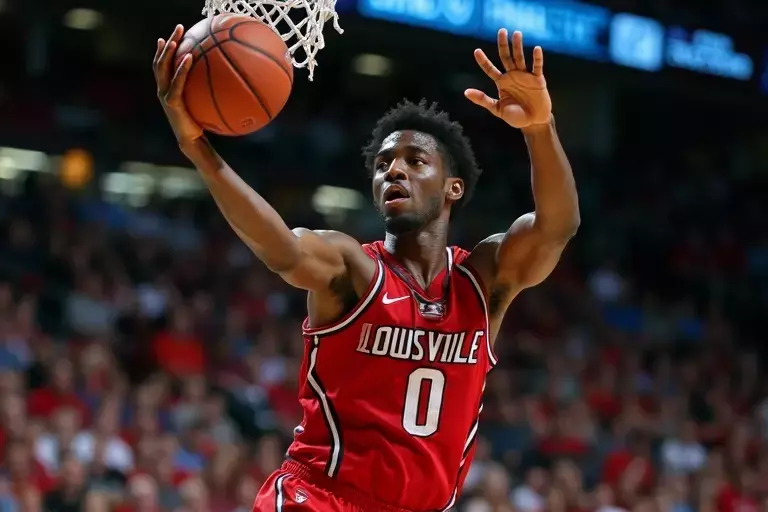

Once a celebrated figure in college basketball, Russ Smith, whose accomplishments were part of the vacated 2013 Louisville national championship, now faces legal challenges after being arrested for driving under the influence. This incident has reignited discussions about accountability and the lingering impact of past achievements on an athlete's legacy.
Athlete's Legacy Under Scrutiny: A Closer Look at Russ Smith's Legal Challenges
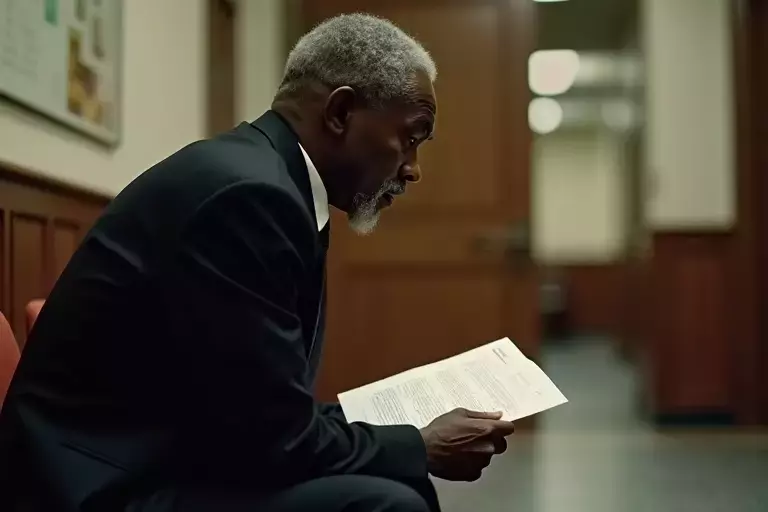
In a dramatic turn of events, former Louisville Cardinals star Russ Smith was apprehended early Sunday morning in Louisville on suspicion of driving under the influence (DUI). The arrest report, detailed by local authorities, highlights a series of traffic violations that preceded the incident, including an erratic U-turn maneuver across multiple lanes in the Highlands district. These actions have placed Smith at the center of public discourse, as his once-celebrated career is overshadowed by recent legal troubles.
The circumstances surrounding the arrest indicate that Smith exhibited signs of impairment, with police noting a pronounced odor of alcohol emanating from him. Despite registering a blood alcohol content (BAC) level of 0.073, which falls below Kentucky’s legal threshold of 0.08, he failed the field sobriety test. State laws permit DUI charges even when BAC levels are marginally lower than the legal limit, provided substantial evidence of intoxication exists. Consequently, Smith finds himself navigating not only DUI allegations but also reckless driving charges due to the hazardous U-turn.
Legal Implications and the Path Forward
Russ Smith’s case underscores the complexities of legal proceedings involving athletes, particularly those whose careers have been marked by both triumphs and controversies. While his BAC level did not exceed the statutory limit, the additional evidence of impaired driving has led to formal charges. This situation raises questions about the broader implications of DUI laws and how they apply to individuals who may exhibit subtle signs of intoxication. Furthermore, the accompanying reckless driving citation adds another layer to the legal narrative, emphasizing the need for thorough evaluation during court proceedings.
As Smith prepares for his arraignment in Jefferson District Court, scheduled for Wednesday, the focus shifts to the potential outcomes and their impact on his personal and professional life. Legal experts suggest that the resolution of this case could serve as a pivotal moment, influencing perceptions of accountability within sports communities. For many, it serves as a reminder that past accolades do not exempt individuals from facing the consequences of their actions, reinforcing societal expectations of responsibility and integrity.
A Career Defined by Achievements and Challenges
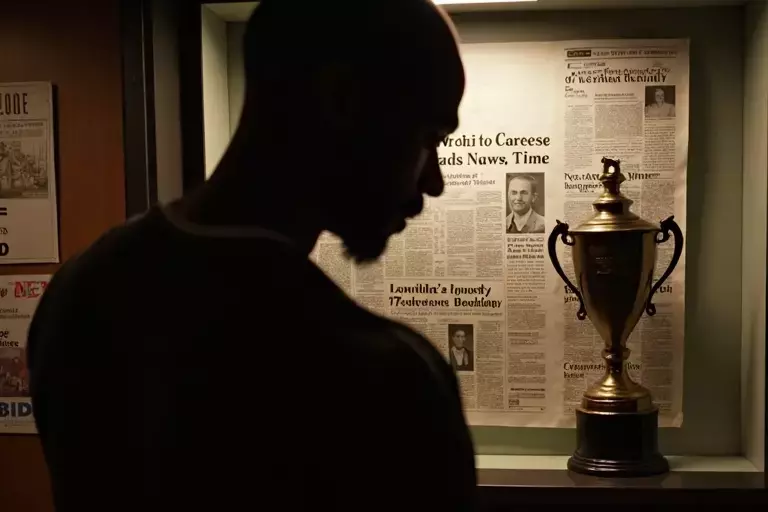
Prior to these recent developments, Russ Smith carved out a remarkable niche in the world of basketball, leaving an indelible mark during his tenure at the University of Louisville. His contributions to the team's successes, including a memorable run to the Final Four and the subsequent vacated national championship title in 2013, cemented his status as a formidable player. Over four seasons, Smith demonstrated exceptional skill, culminating in consensus first-team All-America recognition in 2014.
Beyond collegiate achievements, Smith's journey into professional basketball faced its own set of obstacles. Selected in the second round of the 2014 NBA Draft by the Philadelphia 76ers, his rights were subsequently traded to the New Orleans Pelicans. Although his NBA tenure was relatively brief, encompassing just 21 games over two seasons, Smith's perseverance led him to explore opportunities overseas and in the G League. This phase of his career highlighted adaptability and resilience, traits often overlooked amidst the backdrop of high-profile incidents.
Public Perception and the Role of Accountability
The intersection of sports and legal matters frequently captures public attention, sparking debates about fairness and justice. In Smith’s case, the juxtaposition of his illustrious past with present-day challenges prompts reflection on the role of accountability in shaping an athlete's legacy. Public sentiment tends to oscillate between admiration for achievements and disappointment over lapses in judgment, creating a nuanced perspective on the balance required between personal freedoms and societal responsibilities.
Moreover, the incident serves as a catalyst for conversations about preventive measures and support systems for athletes transitioning through various phases of their careers. It highlights the necessity for ongoing education and resources aimed at fostering responsible decision-making. As Smith navigates this challenging period, the lessons derived from his experiences can potentially contribute to broader initiatives designed to assist others in similar situations, thereby transforming adversity into opportunity.
