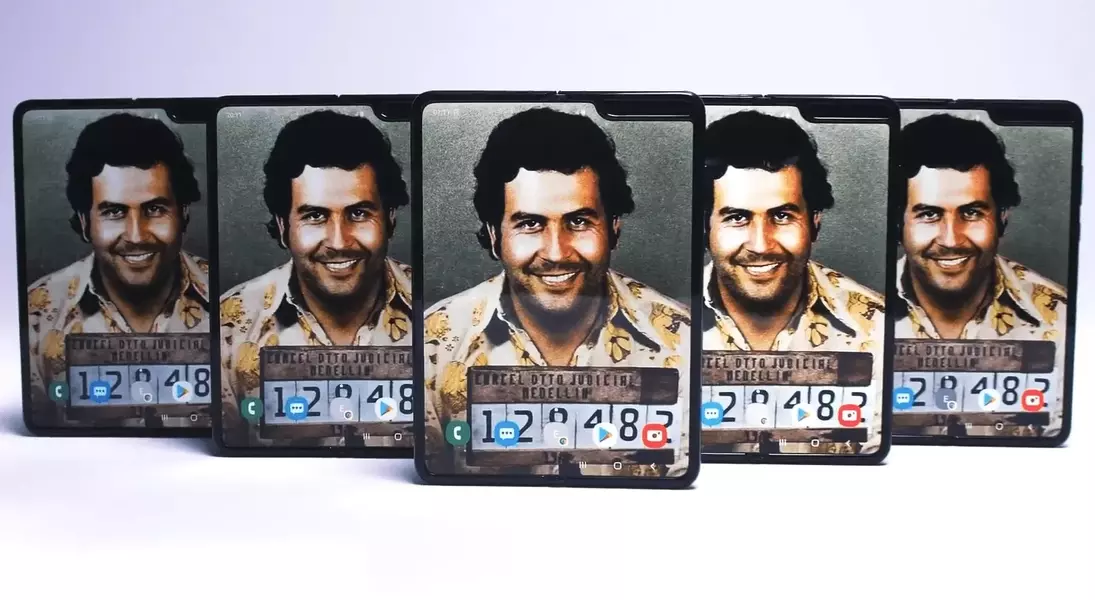
The long-running saga surrounding the fraudulent operations of Escobar Inc., the company infamous for its questionable Escobar Fold smartphones and other branded merchandise, has finally culminated with a guilty plea from its former CEO. Olof Kyros Gustafsson has admitted to charges of fraud and money laundering, bringing a significant conclusion to an investigation that exposed a series of deceptive business practices and financial misconduct. This case highlights the perils consumers face in the digital marketplace and the determination of law enforcement agencies to combat such illicit activities.
Details of the Deceptive Scheme Unveiled
On a recent day in July 2025, in a California federal court, former CEO Olof Kyros Gustafsson formally entered a guilty plea, acknowledging his involvement in widespread fraud and money laundering. The U.S. Department of Justice revealed comprehensive details of how Gustafsson and Escobar Inc. orchestrated a scheme involving the sale of products, most notably the so-called Escobar Fold 1 and Escobar Fold 2 phones. These devices, which gained notoriety through a 2020 online video by tech reviewer Marques Brownlee, were essentially re-branded Samsung Galaxy Fold phones, deceptively marketed at a fraction of their original cost. Brownlee's unboxing video famously showcased a Samsung device with merely a gold sticker, revealing the superficiality of the product.
Beyond the misrepresented phones, Escobar Inc. also peddled other dubious items, including an "Escobar Flamethrower" that mimicked The Boring Company's device and an "Escobar Gold 11 Pro Phone" advertised as a refurbished iPhone 11 Pro. Even "Escobar Cash," promoted as the world's first physical cryptocurrency, was part of the fraudulent offerings. Instead of fulfilling customer orders, Gustafsson typically dispatched a "Certificate of Ownership," a book, or other promotional materials. This tactic served to create a false mailing record, which he then used to deceive payment processors into denying customer refund requests, falsely claiming the products had been shipped and received. The full extent of the restitution Gustafsson must pay, potentially reaching 1.3 million dollars, will be determined at his sentencing hearing scheduled for December 5th, where he faces a maximum of 20 years in federal prison for fraud and 10 years for money laundering.
This resolution serves as a stark reminder of the importance of due diligence in consumer transactions, particularly in the ever-evolving landscape of online commerce. It underscores the vigilance required from both consumers and regulatory bodies to identify and dismantle elaborate schemes designed to exploit trust and financial resources. The case also highlights the significant role that independent content creators and influencers play in bringing transparency to the marketplace, often exposing deceptive practices that might otherwise go unnoticed. As digital marketplaces continue to expand, ensuring accountability and protecting consumers from fraudulent enterprises remains a paramount challenge for global law enforcement.
