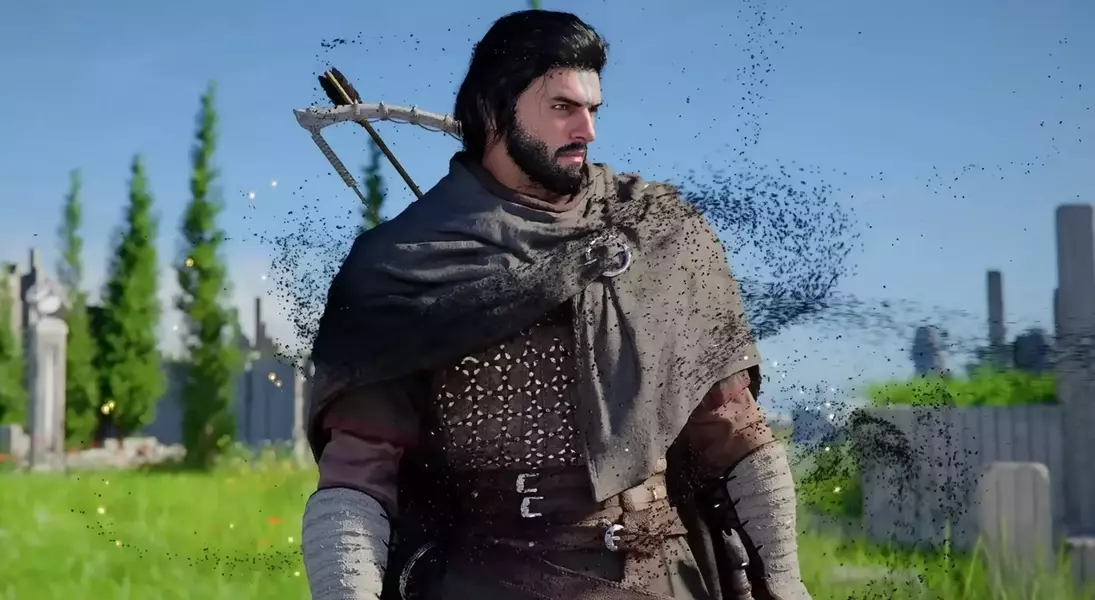
The integration of artificial intelligence into the gaming industry has recently led to numerous controversies. Developers are increasingly utilizing AI for various aspects of game creation, leading to both innovation and backlash from the gaming community. This contentious topic has been further fueled by a notable figure from the gaming world, igniting a broader debate on the future role of AI in interactive entertainment.
Former Blizzard Head Ignites Debate on AI's Role in Gaming After Developer Apologies
In a recent development that has sent ripples through the gaming community, former Blizzard Entertainment president Mike Ybarra, on March 22, 2026, issued a provocative statement urging players to “Man up” regarding the growing presence of artificial intelligence in video games. This commentary arose in the immediate aftermath of an apology from Pearl Abyss, the South Korean developer behind the highly anticipated title, Crimson Desert. The studio had expressed regret after attentive players identified what appeared to be AI-generated visuals, such as tapestries and 2D props, within their game. Pearl Abyss clarified that these assets were part of early iterative design and were inadvertently left in the final release, a misstep that echoes similar incidents involving other major titles like Call of Duty, Battlefield 6, Clair Obscur: Expedition 33, and Ubisoft's latest Anno game, Anno 117.
Ybarra's remarks, delivered with stark bluntness, questioned the necessity of developers apologizing for AI usage, stating, "Why apologize? AI, in one form or another, will be in every single video game. I don't get why devs feel the need to bend over for the few folks who can't accept the reality that AI will be in every single thing—from video games to your fridge (it already is)." This assertion highlights a growing tension between a segment of the gaming audience, who express concerns over the ethical implications and quality of AI-generated content, and industry figures who view AI integration as an inevitable and perhaps beneficial evolution. The debate gained further traction as Nvidia's DLSS 5 was revealed to apply an AI beautification filter, and Square Enix announced plans for AI to handle 70% of its QA by 2027, underscoring a significant industry shift towards AI-driven processes. While some, like Ybarra, dismiss the need for transparency, a recent industry survey revealed that a vast majority of game developers (9 out of 10) believe that generative AI usage should be explicitly disclosed, particularly on platforms like Steam.
The ongoing discussion around AI in game development underscores a critical juncture for the industry. While technological advancements offer new tools and efficiencies, the community's demand for authenticity, artistic integrity, and transparency remains strong. Developers are faced with the challenge of harnessing AI's potential while addressing player concerns about content quality and ethical practices. The future of gaming may indeed be intertwined with AI, but how this integration unfolds—and whether it gains the acceptance of its audience—will largely depend on the industry's willingness to engage with these complex issues thoughtfully and transparently.
