
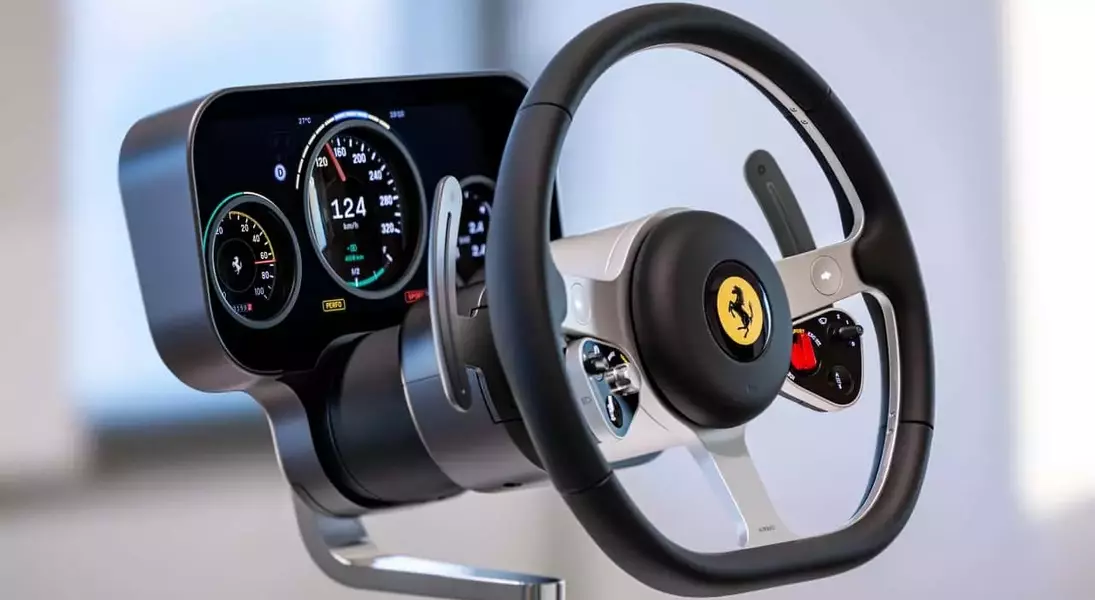




The automotive industry is witnessing a reevaluation of interior design philosophies, particularly concerning the prevalence of touchscreens. This article delves into the perspective of a renowned design expert, Jony Ive, on the critical role of physical controls for driver safety and engagement. It highlights the growing discontent among consumers regarding overly digitalized dashboards and explores how leading automakers are responding to this feedback, exemplified by Ferrari's approach in its new electric vehicle.
Redefining the Cockpit: Physical Controls Over Digital Distraction
The Shifting Tide: From All-Touch to Tangible Interface
A noticeable shift is occurring in the automotive sector as drivers express increasing dissatisfaction with the extensive use of touchscreens. This sentiment is prompting car manufacturers to reconsider their design strategies, leading to a resurgence of traditional buttons and dials in vehicle interiors.
Insights from an Innovator: Jony Ive's Critique of Touchscreens
Jony Ive, the former head of design at Apple, known for his work on the iPhone and the interior of Ferrari's upcoming electric car, shares this critical view. He recently voiced his opinion, stating that large touchscreens are fundamentally ill-suited for primary vehicle controls. He emphasized that he would never have conceived of using touch interfaces for such crucial functions in a car.
Distraction on the Road: The Safety Concerns of Digital Displays
Ive further elaborated on his concerns, pointing out that large, centrally mounted touchscreens compel drivers to divert their gaze from the road. This distraction poses a significant safety risk. Research supports this, with a 2017 AAA study revealing that drivers spend an average of 40 seconds engaging with infotainment screens. During this time, a car traveling at just 25 miles per hour can cover a substantial distance, underscoring the potential for hazardous situations.
Ferrari's Balanced Approach: Blending Digital and Physical
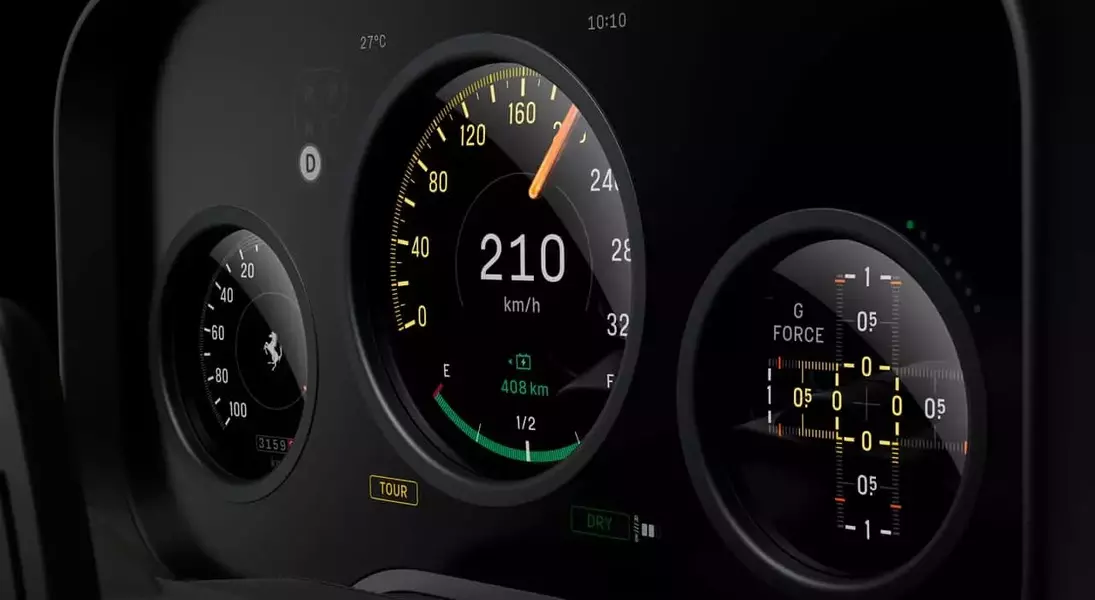
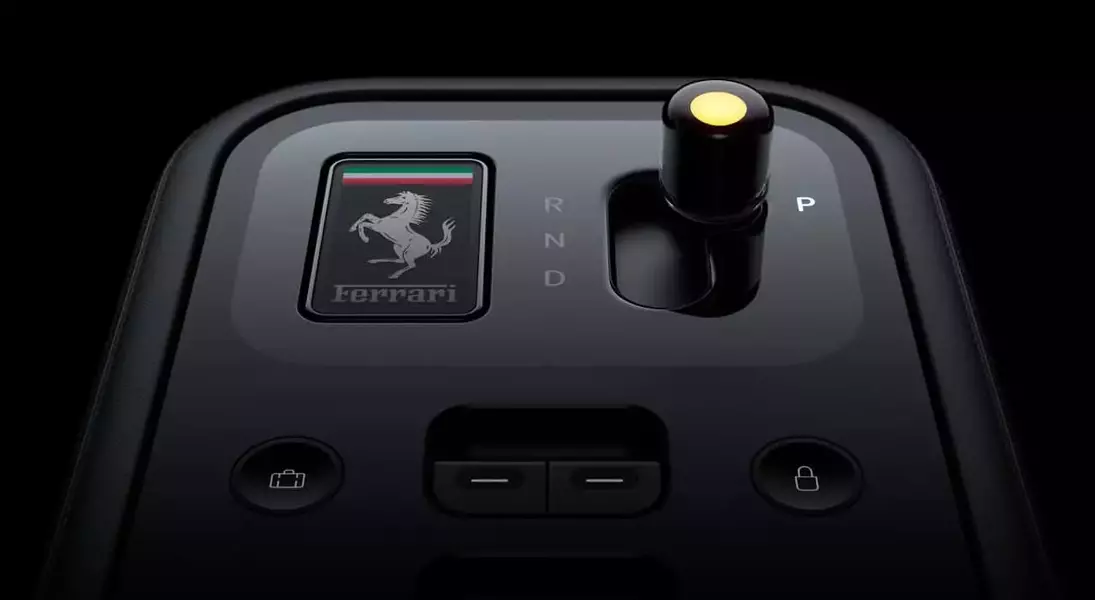
Despite his reservations, Ive's influence is evident in Ferrari's new electric vehicle, the Luce. This model features a prominent central touchscreen and a digital instrument cluster, yet it also incorporates a thoughtful array of tactile controls. The interior design of the Luce balances a retro aesthetic with modern technology, utilizing aluminum accents and a subtly angled 'squircular' touchscreen positioned towards the driver.
Intuitive Design for Driver Focus: The Luce's Control Philosophy
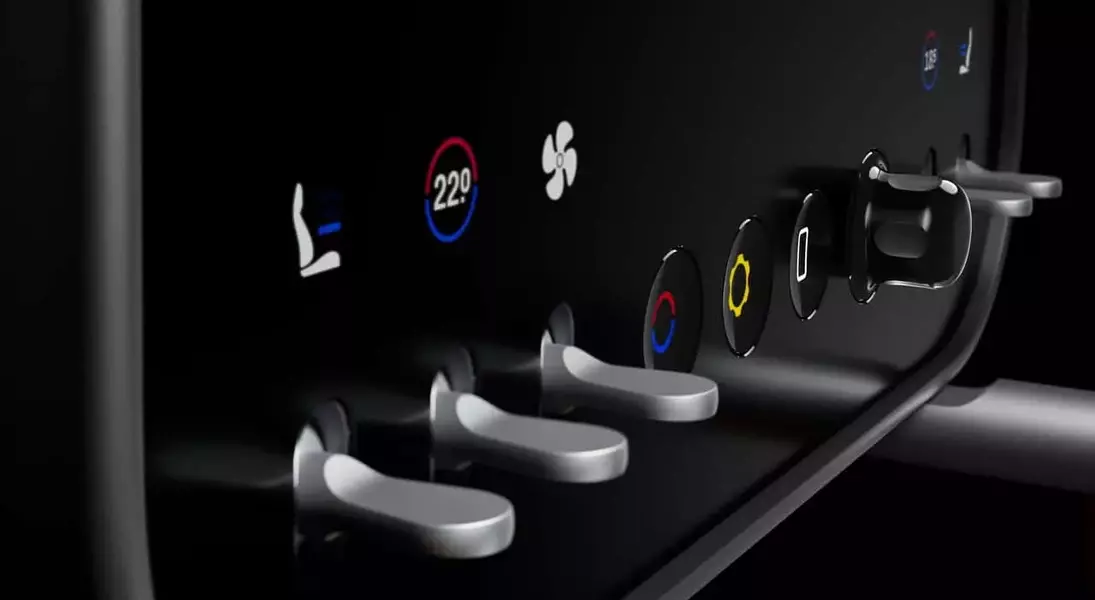
Ive underscored that the Luce's screen was crafted for intuitive and safe operation, complemented by a suite of physical controls. These include easily accessible toggles beneath the main display for critical functions like climate control and heated seats, ensuring that drivers can manage essential vehicle settings without significant distraction. This integrated design aims to provide both sophisticated digital functionality and the reassuring tactility of physical buttons, prioritizing driver safety and a focused driving experience.
