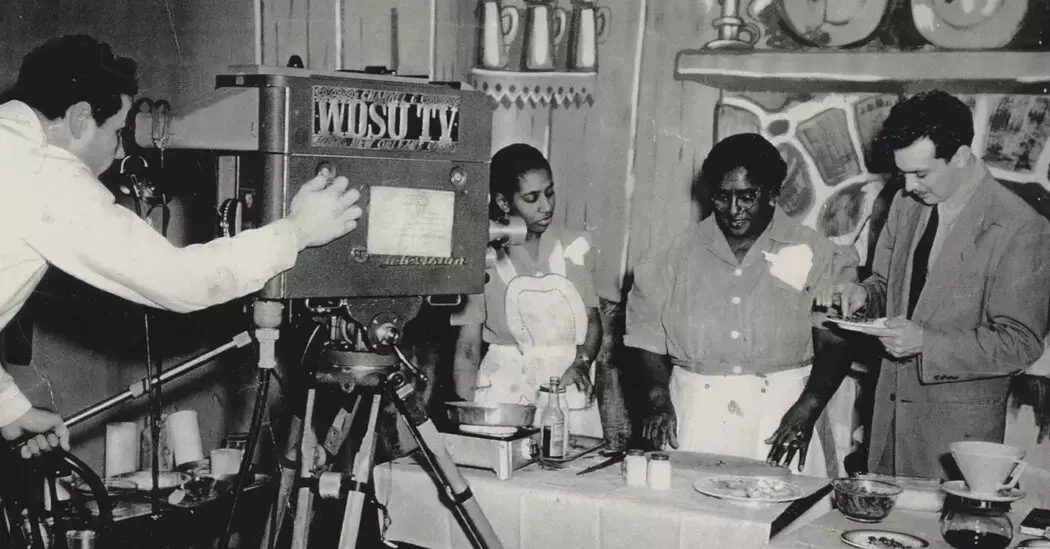
In the mid-20th century, Lena Richard emerged as a trailblazer in Southern cuisine. Long before Julia Child became a household name, Richard was captivating audiences with her expertise in Creole cooking. Her television show, which aired in New Orleans during the late 1940s, introduced viewers to the rich flavors of gumbo, shrimp bisque, and other regional specialties. Despite the racial barriers of the Jim Crow era, Richard not only mastered the culinary arts but also achieved remarkable success in multiple business ventures. This article sheds light on her extraordinary life and contributions, highlighting how she paved the way for future generations of chefs.
Pioneering Television Chef
Richard's innovative approach to broadcasting brought Creole cuisine into homes across New Orleans. During a time when televisions were still a novelty, her live demonstrations captivated diverse audiences. Viewers eagerly jotted down recipes and techniques, eager to recreate her dishes in their own kitchens. The studio crew often lingered after filming, savoring the remnants of her creations. Richard's charisma and culinary prowess made her program a local sensation, transcending racial boundaries in an era defined by segregation.
Her show, titled "Lena Richard’s New Orleans Cook Book," aired twice weekly in 1949 and 1950. It featured traditional Creole dishes that highlighted the fusion of French, Spanish, West African, and Native American influences. Each episode showcased not just recipes but also the cultural significance behind each dish. Through her engaging style, Richard educated viewers about the history and traditions embedded in Creole cuisine. Her ability to connect with audiences made her a beloved figure, despite the societal challenges she faced.
Entrepreneurial Achievements
Beyond her television career, Richard was a multifaceted entrepreneur who left an indelible mark on the culinary world. She owned three popular restaurants, established a line of frozen foods, and founded both a catering company and a cooking school. These ventures demonstrated her versatility and dedication to promoting Creole cuisine. Richard's success in these areas was especially noteworthy given the limited opportunities available to Black women during the Jim Crow era.
Historian Ashley Rose Young notes that Richard's achievements extended far beyond the kitchen. Her cookbook, one of the first written by a Black author on Creole cuisine, became a seminal work. The establishment of her cooking school provided valuable training for aspiring chefs, while her frozen food line brought convenience to busy households. Through these endeavors, Richard not only elevated Creole cuisine but also empowered others within her community. Her legacy serves as an inspiration to all who aspire to break barriers and achieve greatness in their chosen fields.
