

Ford Motor Company has demonstrated remarkable financial resilience in its third quarter performance, securing a substantial net income amidst a complex economic landscape. The company's strategic focus on a diverse portfolio, including its dominant truck segment and evolving electric vehicle ventures, underpins this success. This report delves into Ford's recent financial achievements, its navigation of economic headwinds, and its ambitious plans for the future of electrification.
Ford's Strategic Success: Navigating Profitability Amidst EV Evolution
Robust Q3 Performance: Overcoming Economic Headwinds
Ford Motor Company successfully recorded a net income of $2 billion in its third quarter, defying rising operational costs. Despite a modest 2% dip in revenue to $49.5 billion compared to the previous year, the adjusted earnings before interest and taxes (EBIT) saw a 3% increase, reaching a healthy $2.7 billion. This strong financial standing has prompted the company's management to elevate their full-year adjusted EBIT forecast to $10.5 billion, indicating a confident outlook for the remainder of the year.
Resilience in a Challenging Market: Beating Expectations
Achieving such profitability is particularly noteworthy given the current global economic climate. Ford has contended with an estimated $2.5 billion surge in year-over-year expenses for commodities and logistics, primarily due to geopolitical tensions and supply chain disruptions. Furthermore, the strategic discontinuation of the Escape and Corsair crossovers to prepare the Louisville Assembly Plant for a new electric vehicle platform led to a reduction in overall sales volume. Despite these obstacles, Ford surpassed Wall Street's financial projections, underscoring the fundamental strength and adaptability of its core operations.
The Power of the F-Series: Fueling Ford's Financial Stability
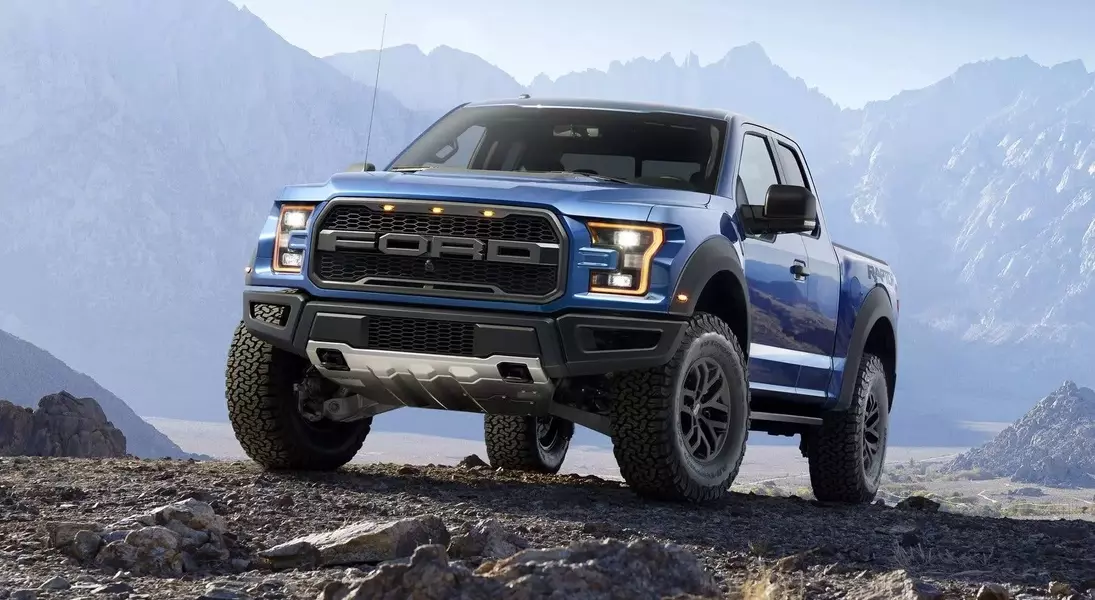
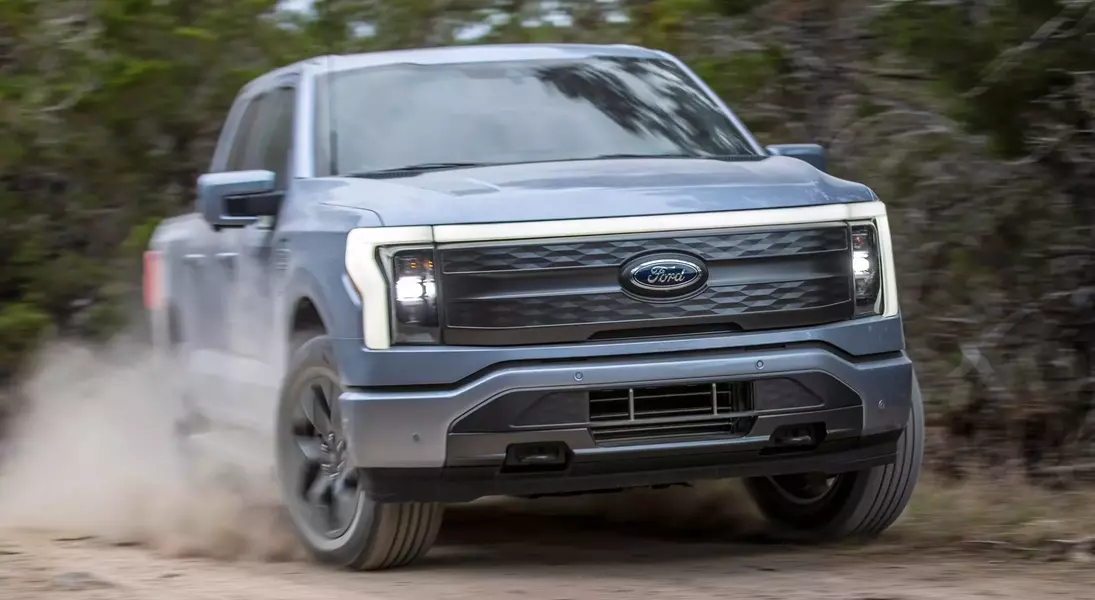
The cornerstone of Ford's financial stability remains its iconic truck division. The automaker is committed to maintaining a comprehensive and varied product line-up, offering gasoline, hybrid, and electric options. Despite fluctuations in fuel prices, the F-Series continues to experience robust consumer demand. A minor supplier issue briefly affected F-150 production in late September, but Ford effectively mitigated the disruption, ensuring minimal impact on its annual financial targets.
Ford Pro's Contribution: Funding the Future of Electrification
The success of the F-Series was significantly amplified by the Ford Pro commercial division, which generated an impressive $1.7 billion in EBIT during the quarter. This profitability is vital as it provides essential capital to support the substantial investments required for Ford's future electric vehicle infrastructure. As the company prepares for the introduction of an all-new F-150 in 2028, the sustained dominance of its truck range guarantees the necessary financial resources to compete on a global scale.
The Path to EV Profitability: Innovation and Cost Reduction
While Ford's traditional internal combustion engine business flourishes, the electric vehicle sector, as reported by Automotive News, continues to incur significant financial losses, with a $1.1 billion deficit for the quarter. However, this represents a 25% improvement over the previous year, highlighting Ford's proactive efforts to enhance its EV division's performance. The immense pressure to achieve EV profitability is intensified by competitors like China's BYD, which has surpassed Ford in global sales through affordable electric vehicle offerings. To counter this, Ford is developing a highly efficient Universal EV platform, focusing on the forthcoming $28,350 Fathom pickup. By integrating advanced manufacturing techniques to drastically reduce costs, Ford aims for its Model e division to achieve profitability by 2029. Ford's current capacity to absorb substantial EV investments while simultaneously generating billions in net income is a testament to the inherent strength of the brand, especially considering its past $8.2 billion los