










Ford is embarking on a bold new chapter in Europe, unveiling a comprehensive three-year strategic plan during a significant gathering with its European dealership network and business associates in Salzburg. This ambitious roadmap features the launch of seven new vehicles, the establishment of a sophisticated digital ecosystem tailored for commercial enterprises, and the introduction of a unified global brand platform, “Ready-Set-Ford,” designed to underscore the company's commitment to utility, performance, and adventure.
Ford's Bold European Revival: New Models and Innovative Solutions Unveiled
Ford Pro's Evolution: Beyond Manufacturing to Partnership
Ford Pro is redefining its role from a mere commercial vehicle producer to a pivotal productivity partner for European businesses. Its core mission is to convert vehicle data into quantifiable economic advantages, with a target of deriving a quarter of its EBIT from software and services. Early 2026 saw a 30 percent surge in paid software subscriptions, reaching 879,000 globally, boasting gross margins exceeding 50 percent, highlighting the success of this strategic shift.
Revolutionizing Fleet Management with Uptime Services
Central to this transformation are Uptime Services, a sophisticated predictive connectivity system that meticulously monitors vehicle health in real time. Since 2019, every Ford Pro vehicle is equipped with an embedded modem, connecting over 1.2 million European customers and generating approximately 6 million daily diagnostic signals. In 2024 alone, this system accounted for nearly a million extra days of vehicle uptime for clients.
Empowering Small Businesses Through Advanced Dealer Support
A crucial enhancement of this strategy is the introduction of new Dealer Uptime Services, specifically tailored for small businesses. These services enable Ford dealers to function as proactive fleet managers, overseeing vehicle conditions, preemptively contacting customers about potential issues, and arranging necessary parts and service appointments in advance. Initial tests indicate repair time reductions of up to 50 percent, with 80% of tasks identified proactively. This initiative promises increased customer engagement, improved retention rates, and a substantial boost in service department revenues for dealerships.
Introducing Two Distinctive Additions to the Ford Pro Commercial Lineup
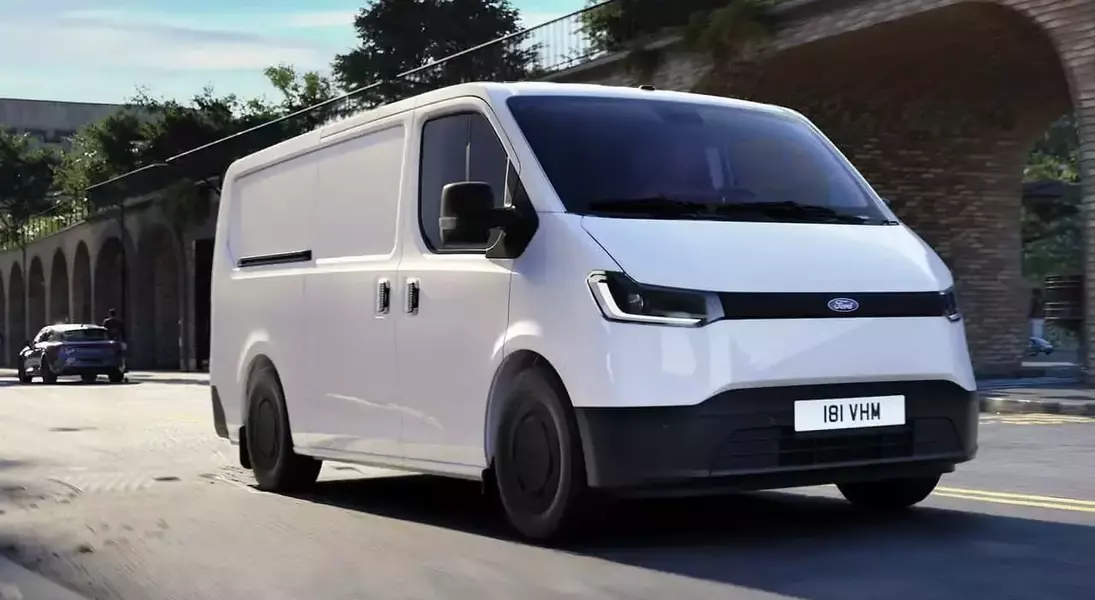
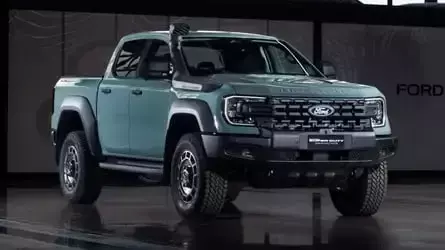
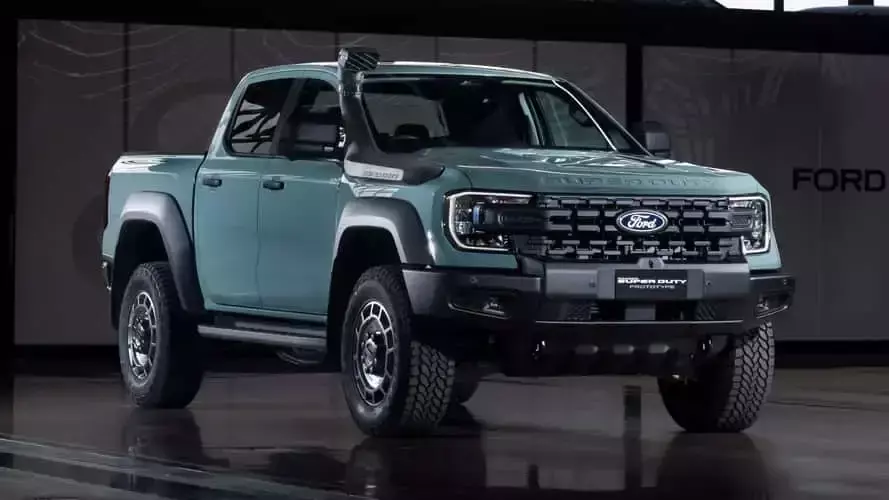
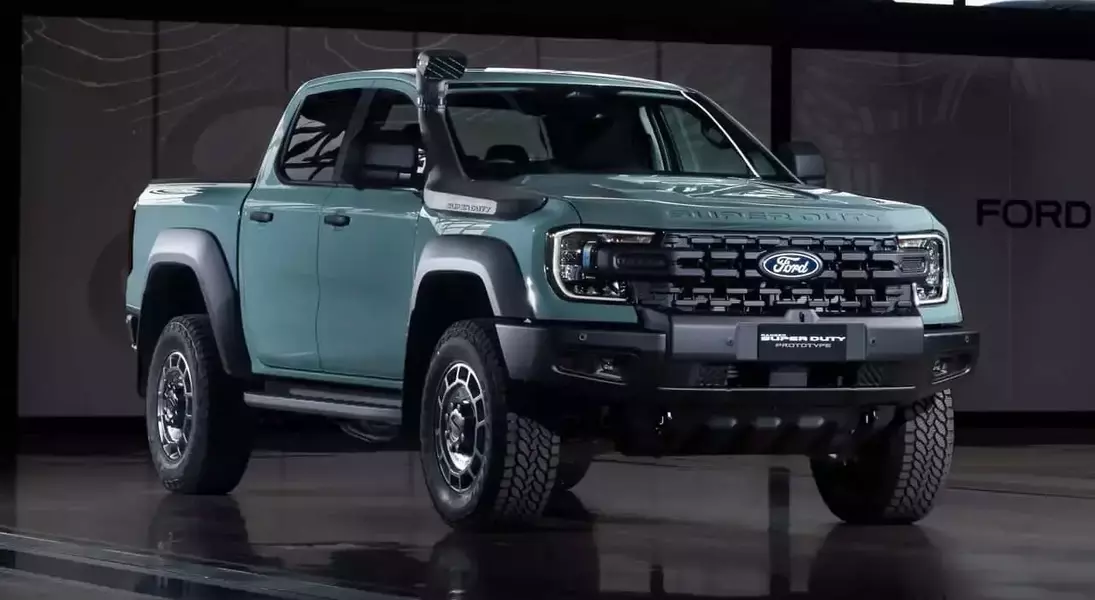
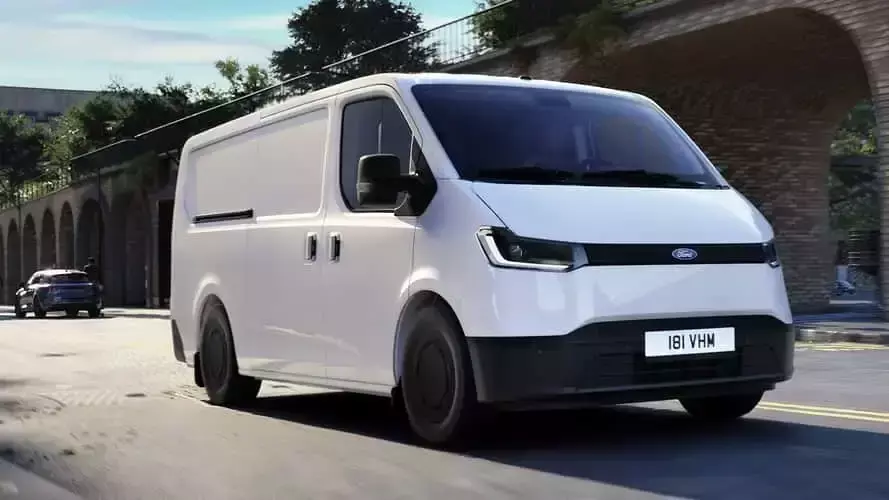
Ford's commercial vehicle portfolio is expanding with two new, strategically important models. The Ranger Super Duty, immediately available, represents the most robust iteration of Europe's top-selling pickup for the past 11 years. Designed for demanding applications like emergency services, forestry, mining, and military operations, it offers an impressive combined gross weight rating of 17,637 lbs, a towing capacity of up to 9,921 lbs, and a payload of nearly 4,409 lbs. This model is further enhanced with reinforced suspension, additional underbody protection, and increased standard ground clearance. Complementing this is the Transit City, an all-electric van tailored for urban fleets. Expected to arrive at dealerships by late 2026, it addresses the growing demand for vehicles suited to low-emission and restricted-access zones in major European cities, offering a single, high-specification trim and available in three variants, including a chassis cab for bespoke customizations.
Ford's Passenger Vehicle Offensive: Five New Models with Rally Heritage
Ford's strategy for its passenger vehicle division includes the launch of five entirely new models by the close of 2029, all slated for European production. These vehicles will draw aesthetic and performance inspiration from Ford's storied rally legacy and over a century of competitive motorsport history. The lineup will feature a new Bronco family variant specifically for the European market, a compact multi-energy SUV confirmed for production at the Valencia plant starting in 2028, a subcompact (B-segment) electric vehicle engineered for dynamic driving, a small urban electric SUV echoing the same design ethos, and two multi-energy crossovers that will complete the expanded range by 2029.
Ford's Advocacy for a Pragmatic Path to Zero Emissions in Europe
Ford reaffirms its dedication to achieving zero-emission mobility but also sends a clear message to European policymakers: regulatory targets must realistically align with actual consumer demand. The automaker warns that overly aggressive targets risk slowing down fleet modernization, which could inadvertently hinder overall emissions reduction efforts. Ford advocates for a more open approach to transitional technologies, such as plug-in hybrids (PHEVs) and extended-range electric vehicles (EREVs). Additionally, the company calls for specific safeguards for small businesses, which currently face challenges due to inadequate charging infrastructure and delays in securing necessary electrical grid connections for their vehicle depots.
