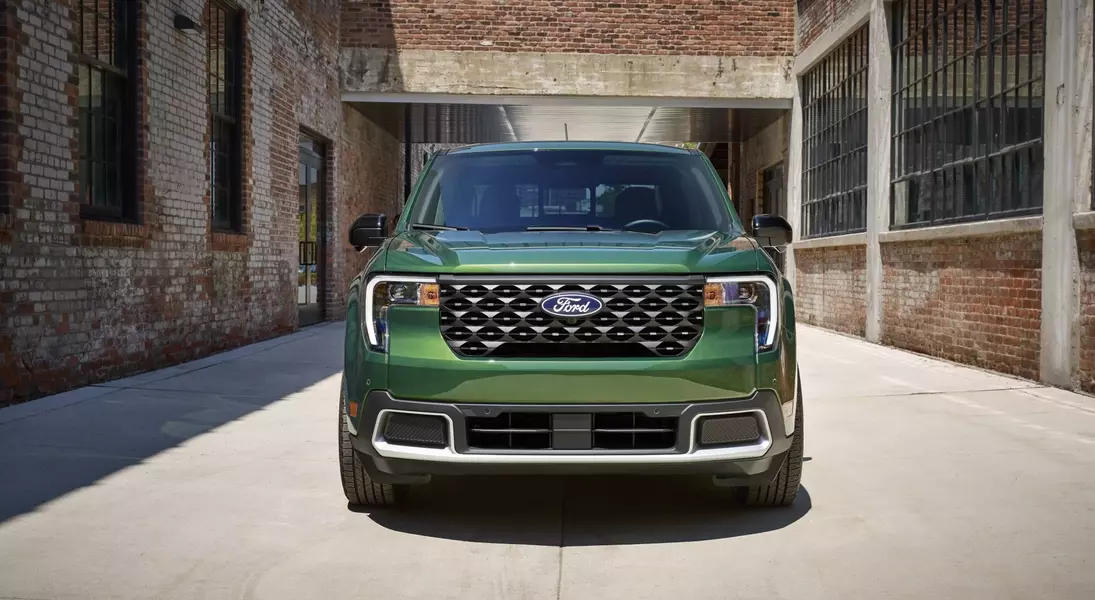

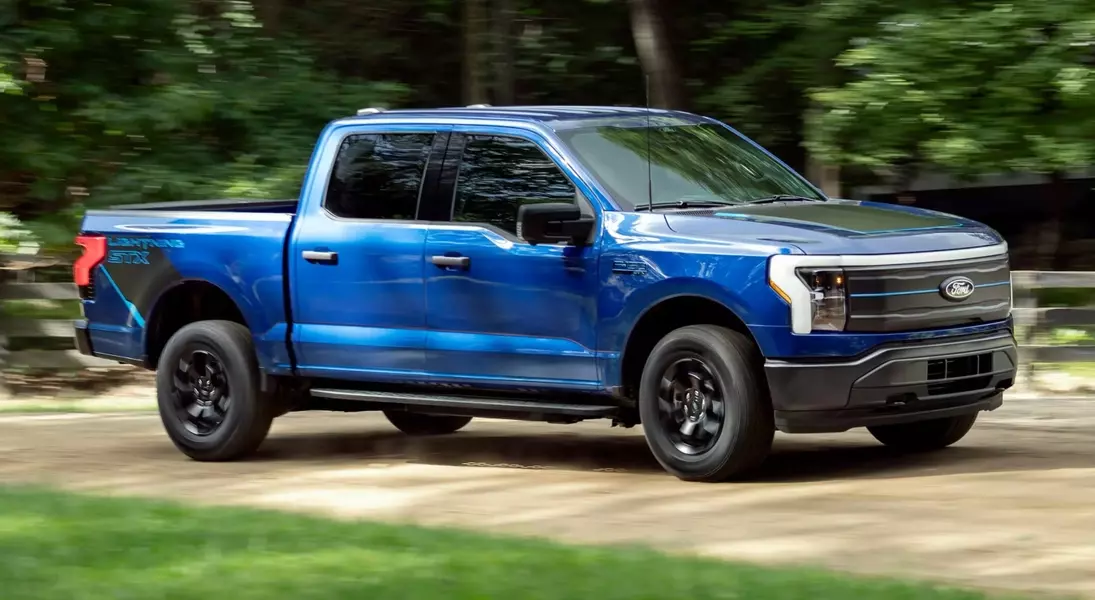
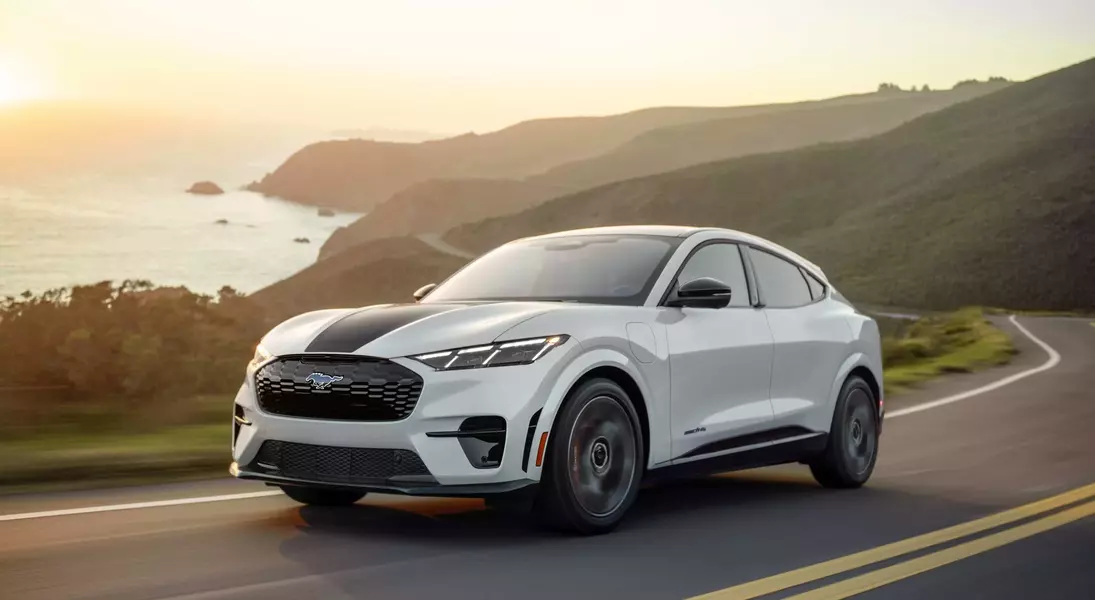
Ford has initiated a substantial recall campaign encompassing over 272,000 trucks and crossovers manufactured between 2022 and 2026. The core of this safety concern lies within a malfunctioning integrated park module, a software-related flaw that could hinder vehicles from securely locking into the park position. This defect introduces a considerable risk of unintended vehicle movement, potentially leading to accidents. Affected models include prominent Ford vehicles such as the F-150 Lightning, Mustang Mach-E, and Maverick. Although the issue can be rectified through a straightforward over-the-air software update, the notification process for vehicle owners is scheduled for early 2026, by which time a definitive solution is expected to be in place. Owners will be able to verify their vehicle's status via the NHTSA website starting January 26, 2026.
This latest recall highlights Ford's ongoing challenges with vehicle quality in recent years, particularly following a period where the automaker accumulated a record number of recalls within a single calendar year. The defect stems from a software anomaly in the integrated park module, which, if it fails to engage properly, could result in the vehicle rolling away unexpectedly. This represents a significant safety hazard, underscoring the critical importance of ensuring all systems function as intended.
The affected vehicles span both electric and combustion-powered models, demonstrating that software vulnerabilities can impact a wide range of modern automobiles. The F-150 Lightning models from 2022-2026, Mustang Mach-E from 2024-2026, and Maverick vehicles from 2025-2026 are all part of this recall. Ford's proactive approach in identifying a software fix that can be deployed wirelessly is a positive step, showcasing the potential for rapid remediation in the age of connected cars. However, the timeline for owner notification and the implementation of the remedy remains a point of concern for affected customers.
In response to its recent spate of recalls, Ford has reportedly been undertaking various internal reforms to enhance its quality control processes and improve overall vehicle reliability. These efforts are crucial for regaining consumer confidence and preventing future safety incidents. Beyond rectifying current issues, the company is also strategically planning its future product lineup, with initiatives such as phasing out the current F-150 Lightning for a range-extended version and developing new compact pickups and small SUVs. These long-term strategies, coupled with immediate recall actions, are vital for securing Ford's market position and ensuring customer safety.
This substantial recall of nearly 300,000 vehicles underscores the persistent quality control challenges faced by Ford, particularly concerning software-related components. While the convenience of an over-the-air software update offers a modern solution, the delay in notifying owners and providing a definitive remedy raises concerns regarding customer safety and communication efficiency. As Ford endeavors to rebuild trust and refine its manufacturing and software integration processes, consistent attention to detail and swift action will be paramount for restoring its reputation and ensuring the reliability of its diverse vehicle fleet.
