


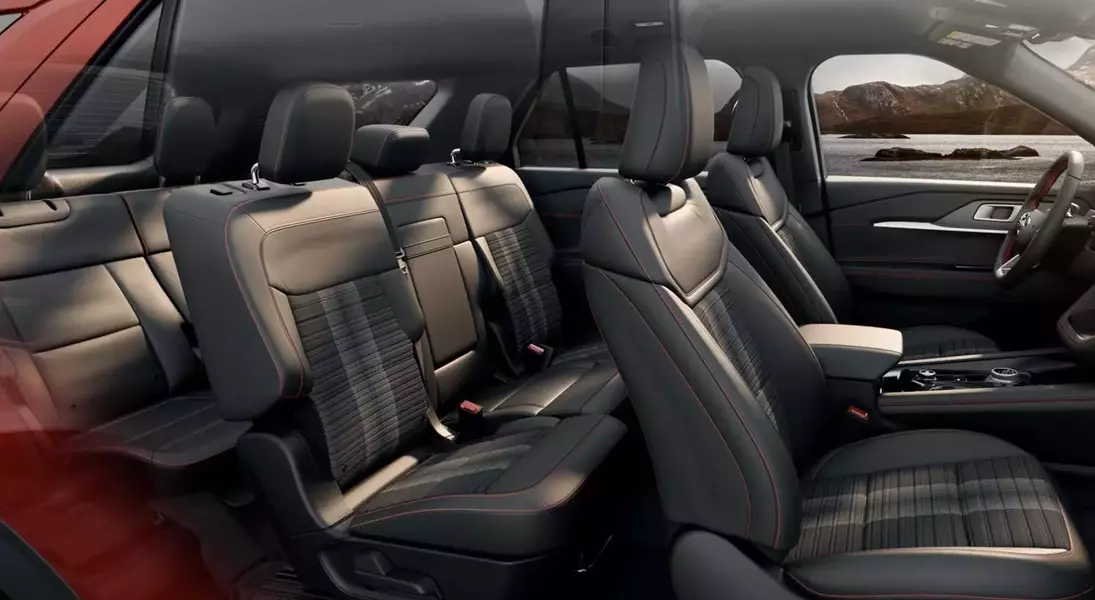


Ford has announced a new recall for its popular Explorer SUV and the luxury Lincoln Aviator, addressing a critical safety concern related to the second-row seating mechanism. This marks the second time the automaker has attempted to rectify this particular issue, highlighting the complexity and persistence of the problem. The core defect involves the easy-entry seat switch bezel, which can become misaligned, potentially leading to unintended seat movement while the vehicle is in operation. This flaw significantly increases the risk of injury for occupants, particularly in the event of a crash. The widespread nature of this recall, affecting hundreds of thousands of vehicles across several model years, underscores the importance of swift and effective resolution to ensure passenger safety.
Ford Addresses Recurring Second-Row Seat Malfunction in Explorer and Aviator Models
In a recent announcement on July 19, 2026, Ford Motor Company issued a significant recall, NHTSA recall number 26V451, impacting approximately 387,911 units of its 2020-2026 Explorer SUVs and 2020-2027 Lincoln Aviator luxury crossovers. This action targets a persistent defect in the second-row easy-entry seat switch bezel. The mechanism, designed to facilitate access to the third row by allowing the second-row outboard seats to tip and slide forward, has been found to malfunction. If the bezel shifts from its correct position, it can inadvertently keep the switch button depressed, leading to unexpected seat movement, even while the vehicle is in motion. This condition presents a heightened risk of injury to passengers, especially during a collision.
This is not the first time Ford has attempted to fix this specific problem. A previous recall, 25V393, aimed to resolve the issue by inspecting and, if necessary, replacing damaged or missing bezels. However, the subsequent emergence of 14 documented instances of unintended seat movement during driving—eight of which occurred in vehicles not covered by the initial recall and six in those that had supposedly received the prior remedy—demonstrated that the previous fix was insufficient. Consequently, Ford is now implementing a more robust solution. Dealerships will install a newly designed bezel and housing, engineered with enhanced retention force, free of charge. Owners can anticipate interim notifications between July 27 and July 30, with remedy notifications scheduled for January 5 to 8, 2027. Vehicle owners are encouraged to check their VINs to ascertain if their vehicles are affected by this latest recall.
This recall occurs amidst a period where Ford has been actively working to improve its quality control, as evidenced by its high ranking among mass-market brands in the 2026 J.D. Power U.S. Initial Quality Study. While the high number of recalls might seem concerning, the automaker asserts that it reflects a proactive approach to identifying and rectifying manufacturing defects, ultimately aiming to enhance vehicle reliability and customer satisfaction.
This situation serves as a potent reminder of the complexities inherent in modern vehicle manufacturing and the continuous commitment required from automakers to uphold safety standards. For consumers, it underscores the critical importance of heeding recall notices and promptly addressing any identified issues with their vehicles. While Ford's proactive stance on recalls is commendable for its transparency, the recurrence of this particular flaw highlights the need for even more stringent initial design and quality assurance processes. Ultimately, the safety of vehicle occupants must remain the paramount concern, driving constant innovation and rigorous oversight throughout the automotive industry. It also prompts reflection on the efficacy of initial recall campaigns and the necessity for comprehensive testing to ensure permanent solutions.
