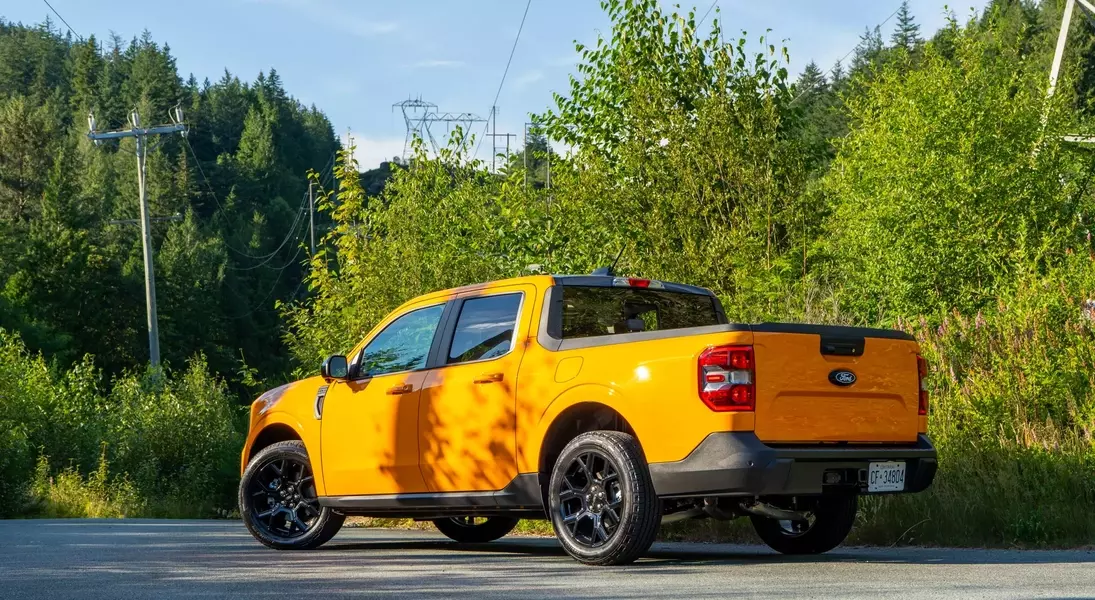
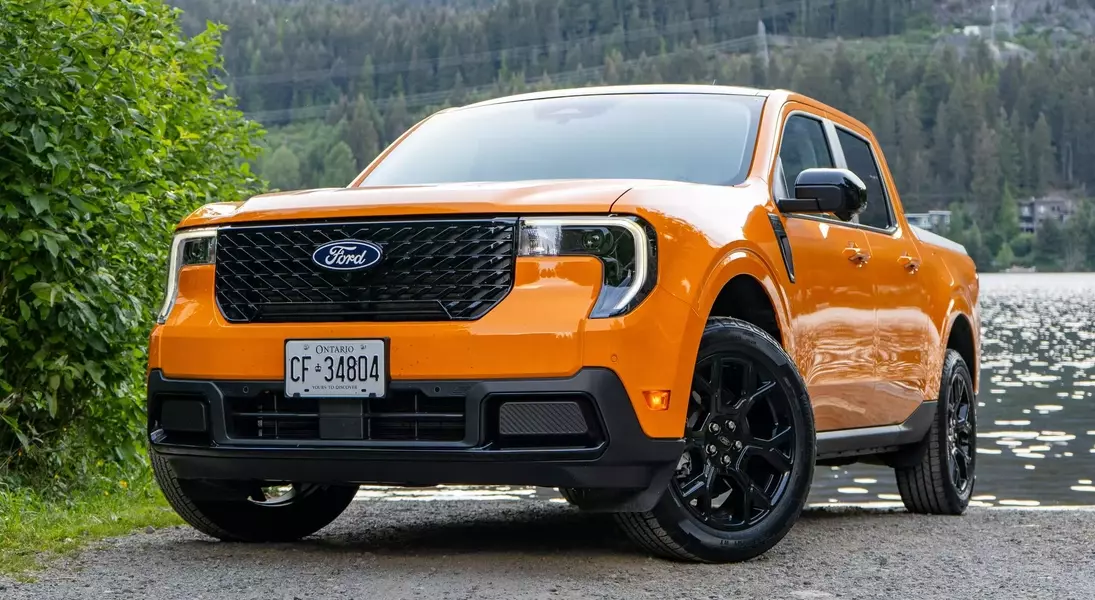
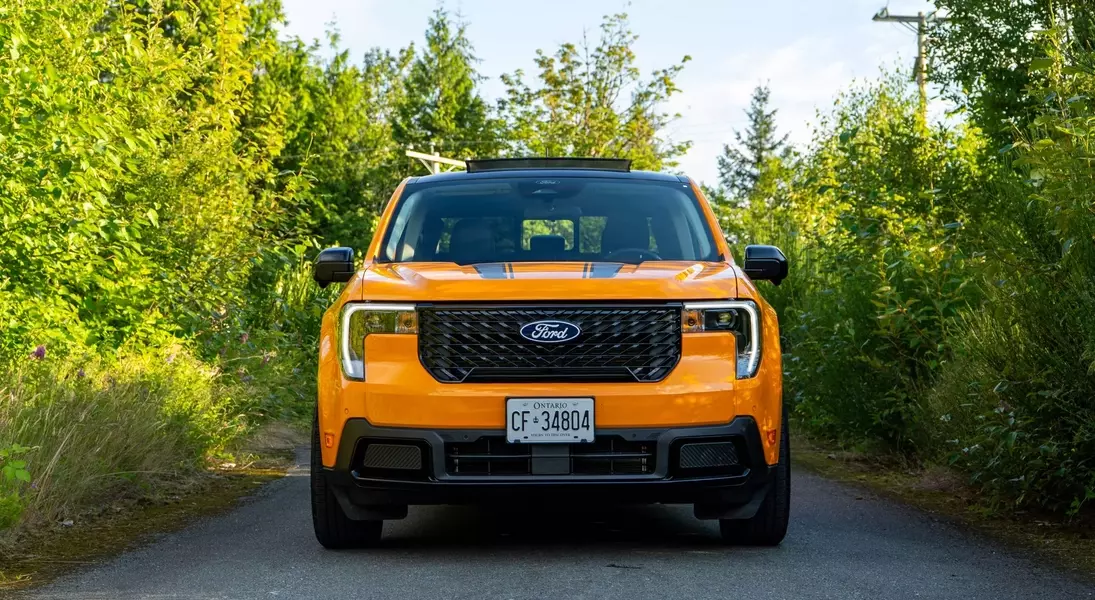
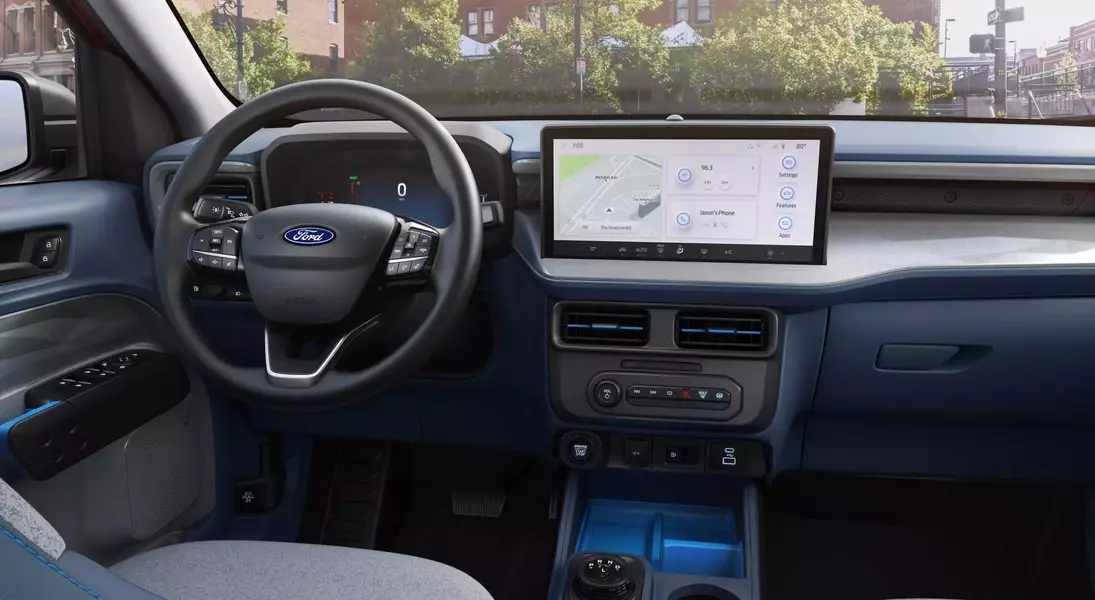
Despite enjoying significant market success with its compact pickup line, Ford is now navigating legal challenges brought forth by consumers regarding persistent technological flaws. The Ford Maverick has achieved remarkable sales figures this year, notably setting new records with over 74,300 units sold through September, marking a substantial increase compared to the previous year. However, this success is overshadowed by a recently filed lawsuit in the U.S. District Court for the District of Delaware. The complaint alleges that certain 2022-2024 Ford Maverick and Maverick Hybrid models are equipped with a software defect affecting the infotainment system and rearview camera, causing images to freeze or distort, thereby compromising functionality.
Central to the plaintiffs' argument is the assertion that a prior safety recall and subsequent software update failed to adequately rectify these critical camera malfunctions. Two Maverick owners from Ohio, Terry Spisak and Kevin Kleman, who purchased 2023 models, claim their vehicles continued to exhibit camera problems even after receiving the manufacturer's suggested software fix. The lawsuit points to the Connected Touch Radio (CTR) as the source of the issue, describing a software bug that leads to unreliable camera feedback during crucial reversing maneuvers. Reports from affected owners indicate prolonged waiting periods, with some being informed that a definitive solution might not be available for an extended period, creating ongoing safety and convenience concerns for drivers.
This legal challenge endeavors to encompass all U.S. owners and lessees of 2022-2024 Maverick and Maverick Hybrid vehicles equipped with the Connected Touch Radio, along with a specific subgroup in Ohio. The plaintiffs accuse Ford of concealing the defect, failing to uphold its commitments, and selling trucks with inherent safety risks that have diminished their market value. As the legal proceedings commence, the National Highway Traffic Safety Administration (NHTSA) is also independently investigating the efficacy of Ford's initial recall remedy, adding another layer of scrutiny to the automaker's response. The outcome of this class action could lead to further remedies for owners and intensify the pressure on Ford to resolve the issue comprehensively.
The ongoing legal and investigative processes highlight the critical importance of corporate accountability and consumer safety in the automotive industry. This situation serves as a powerful reminder that trust is built upon transparency and diligent resolution of product issues. Ultimately, such challenges push manufacturers to continually improve their engineering and customer service, fostering an environment where innovation is matched by unwavering commitment to quality and driver well-being, reinforcing the principle that consumer confidence is paramount for enduring success.
