
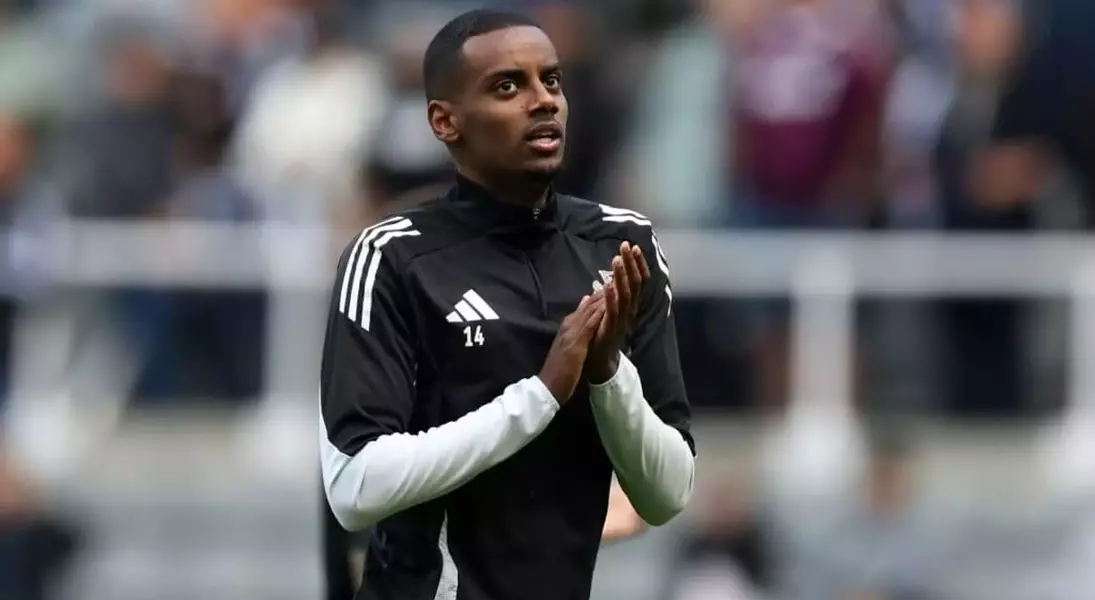

In the intricate world of professional football, the methods players employ to facilitate a transfer often extend beyond the conventional written request. Players frequently navigate a subtle landscape where actions speak louder than words, aiming to signal their desire for a move without explicitly submitting a formal transfer demand. This strategic approach helps avoid potential financial penalties like forfeited loyalty bonuses, which are often tied to formal requests. As one anonymous agent noted, a written request is seen as a somewhat unsophisticated tactic in modern football. Instead, players might subtly express discontent through actions such as feigning minor injuries, opting out of pre-season tours, or demonstrating a perceived lack of commitment. These actions, while not direct demands, communicate a clear message to their current clubs, often prompting discussions about a potential departure. The case of Alexander Isak at Newcastle United illustrates this perfectly; his reported discontent and desire to move to Liverpool highlight how players can subtly push for a transfer without a formal request, forcing clubs to consider their options when faced with an unhappy asset. This intricate dance underscores the power dynamic between players and clubs, where reputation and asset management heavily influence outcomes.
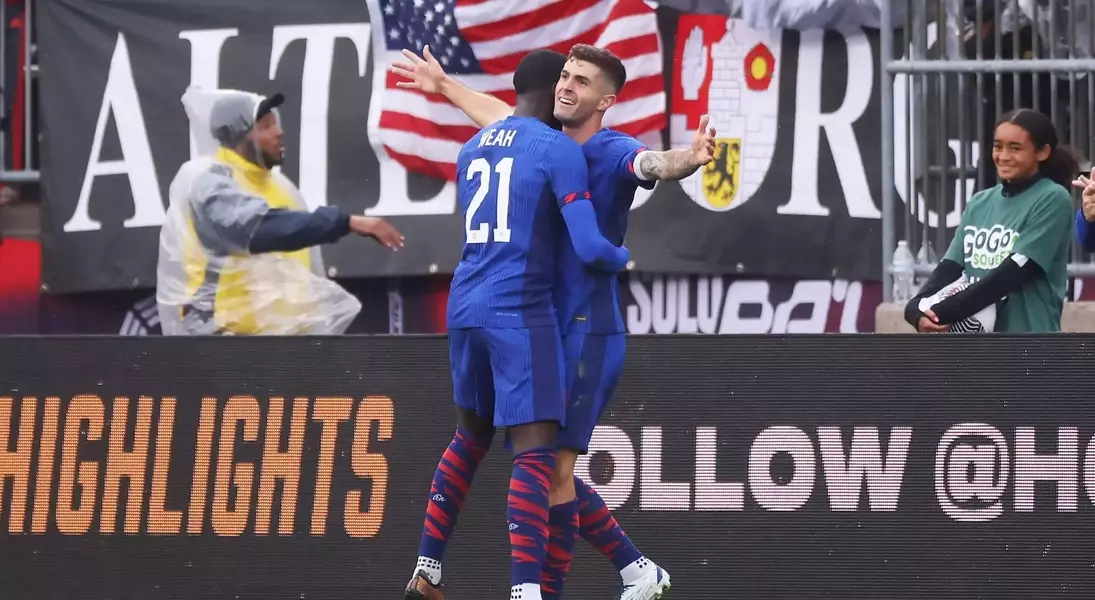
Beyond club dynamics, the world of international football also grapples with internal discord, exemplified by the friction between current and former U.S. Men's National Team (USMNT) players. Recent comments from current stars like Christian Pulisic and Tim Weah reveal a deep-seated frustration with criticism from retired USMNT figures, whom they accuse of seeking personal gain through negative commentary. Weah and Pulisic openly expressed their belief that these former players, despite having experienced the pressures of the game themselves, are now unfairly harsh in their assessments, driven by a desire for media attention and financial incentives. This public disagreement, particularly highlighted in Pulisic's documentary series, exposes a rift that could undermine team unity, especially with a home World Cup on the horizon. While the USMNT's recent performance has indeed faced scrutiny, the emotional responses from current players indicate a deeper issue surrounding respect and media ethics within the sport. This ongoing 'beef' raises questions about how retired athletes engage with the game and how current players manage external pressures, suggesting a need for greater understanding and dialogue to foster a more supportive environment.
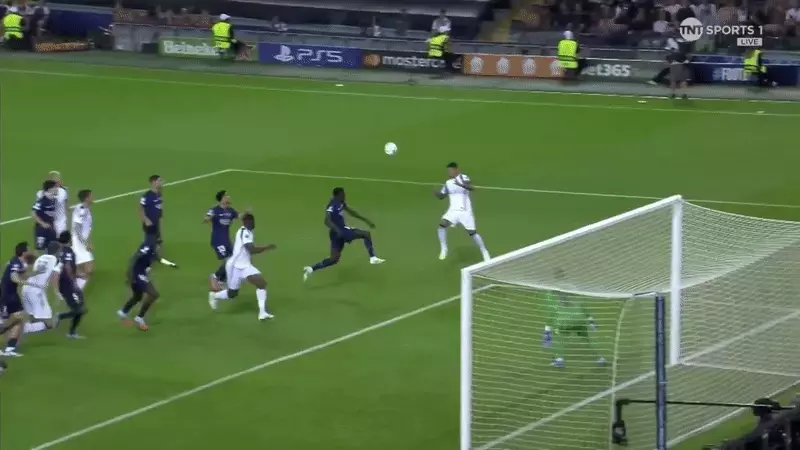
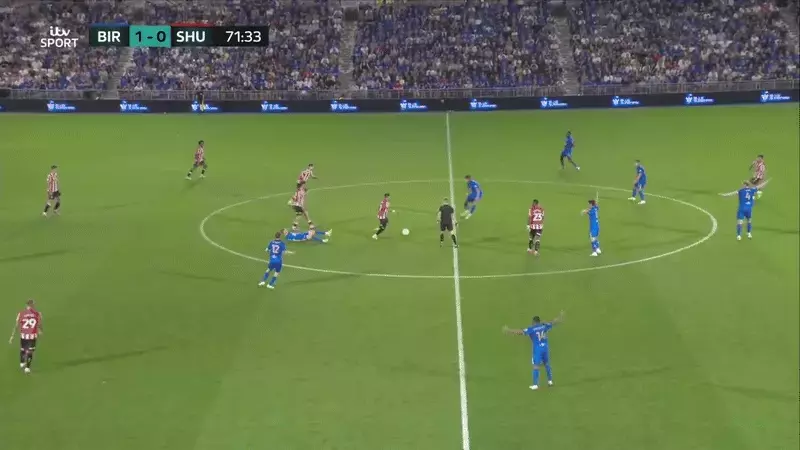
The current state of football continues to deliver surprising moments and dramatic turns, both on and off the pitch. Recent events include a public spat between Birmingham City shareholder Tom Brady and former head coach Wayne Rooney, illustrating that even in the boardroom, personality clashes can escalate. Furthermore, Barcelona's financial struggles persist, as board members reportedly risk personal funds to register new signings like Marcus Rashford, highlighting the severe salary cap challenges faced by top clubs. In transfer news, Liverpool is reportedly nearing a significant acquisition with the signing of 18-year-old defender Giovanni Leoni. On the pitch, Paris Saint-Germain's dramatic comeback victory against Tottenham Hotspur in the Super Cup, despite an initial blunder from their new goalkeeper, showcases the unpredictable nature of high-stakes matches. These incidents, ranging from managerial disputes to unexpected game-winning plays, underscore the constant flux and captivating narratives that define the global football landscape. They remind us that dedication, resilience, and ethical conduct are vital for success, highlighting that even in the face of adversity or criticism, staying true to one's passion and striving for excellence ultimately prevails. Such moments serve as powerful reminders of the positive spirit that should always guide the beautiful game.
