







The summer 2025 transfer window has been a hive of activity, with top European football clubs strategically maneuvering to bolster their ranks and optimize financial positions. Major teams like Manchester United, Arsenal, Liverpool, Chelsea, Manchester City, Tottenham Hotspur, Barcelona, and Real Madrid are all deeply involved in a complex web of player acquisitions, disposals, and loan agreements. Their decisions are shaped by a blend of on-field performance needs, financial fair play regulations, and long-term squad development goals. The overarching narrative is one of adaptation and ambition, as clubs strive to gain a competitive edge in the upcoming season.
This period is characterized by dynamic negotiations, with clubs balancing immediate sporting needs against future financial stability. From high-profile forward acquisitions to the strategic offloading of high-wage players, each move is meticulously planned to enhance squad depth and quality. The focus extends beyond just bringing in new talent; it also involves ensuring that existing players who are not part of future plans find suitable destinations, thereby freeing up resources for new investments. This intricate dance of buying and selling underscores the relentless pursuit of excellence in modern football.
Strategic Squad Reinforcement and Financial Balancing Acts
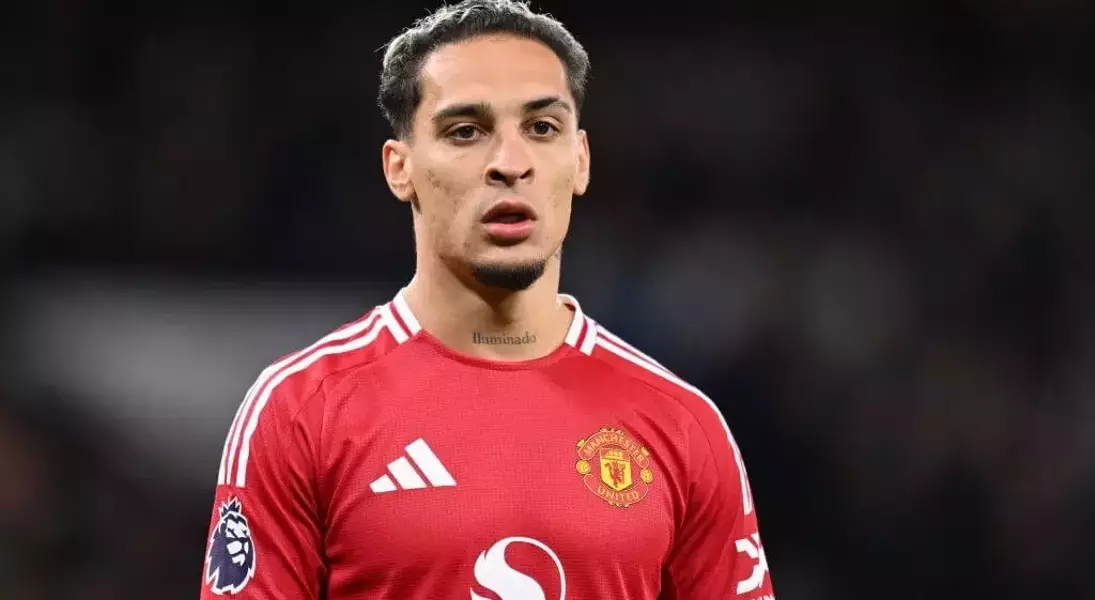
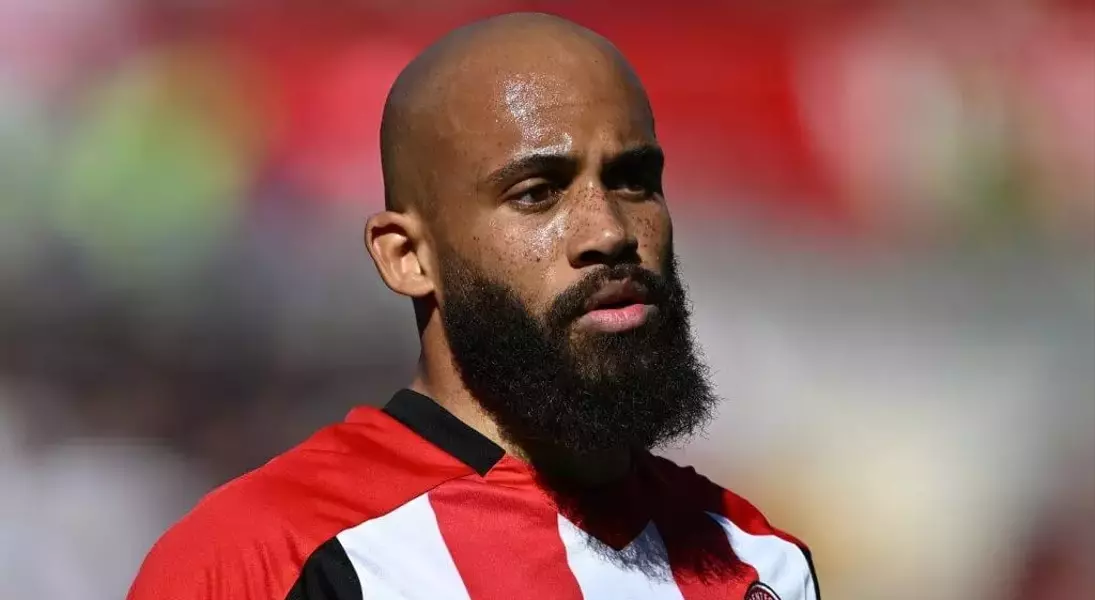
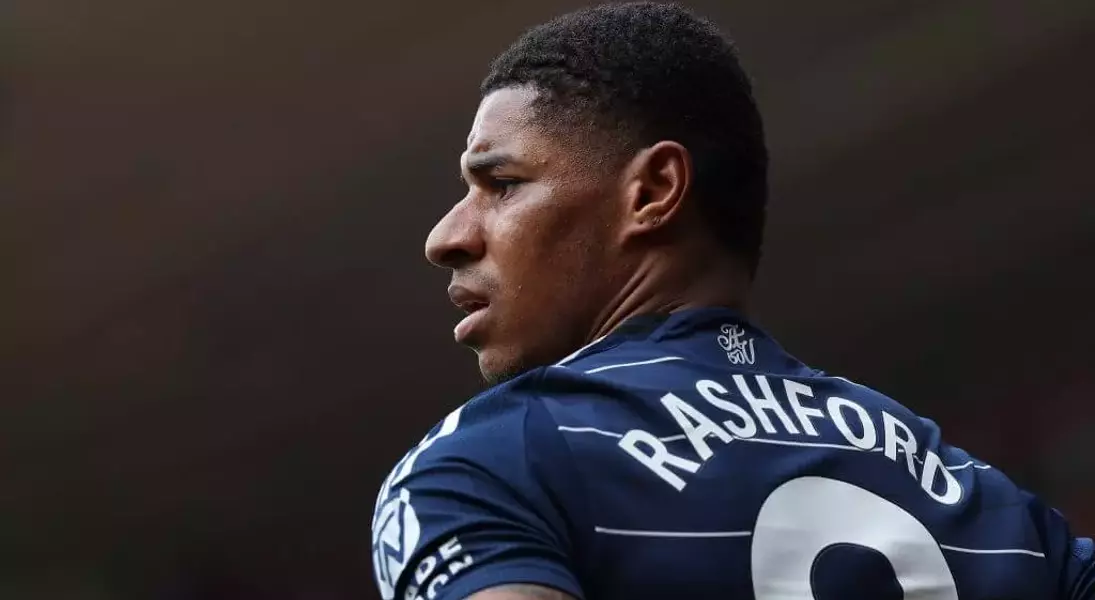
In the bustling landscape of the summer 2025 transfer window, top European clubs are meticulously executing their plans for squad enhancement and financial optimization. Manchester United has been particularly active, finalizing the acquisition of Bryan Mbeumo from Brentford in a significant deal that includes substantial add-ons. This move signals their intent to strengthen the attacking options for manager Ruben Amorim. Concurrently, United has successfully negotiated the loan of Marcus Rashford to Barcelona, a move that provides considerable salary relief, demonstrating a clear focus on balancing their financial sheets. These transactions highlight a strategic approach to recruitment, where incoming talent is carefully integrated, and outgoings are managed to create fiscal flexibility and squad space.
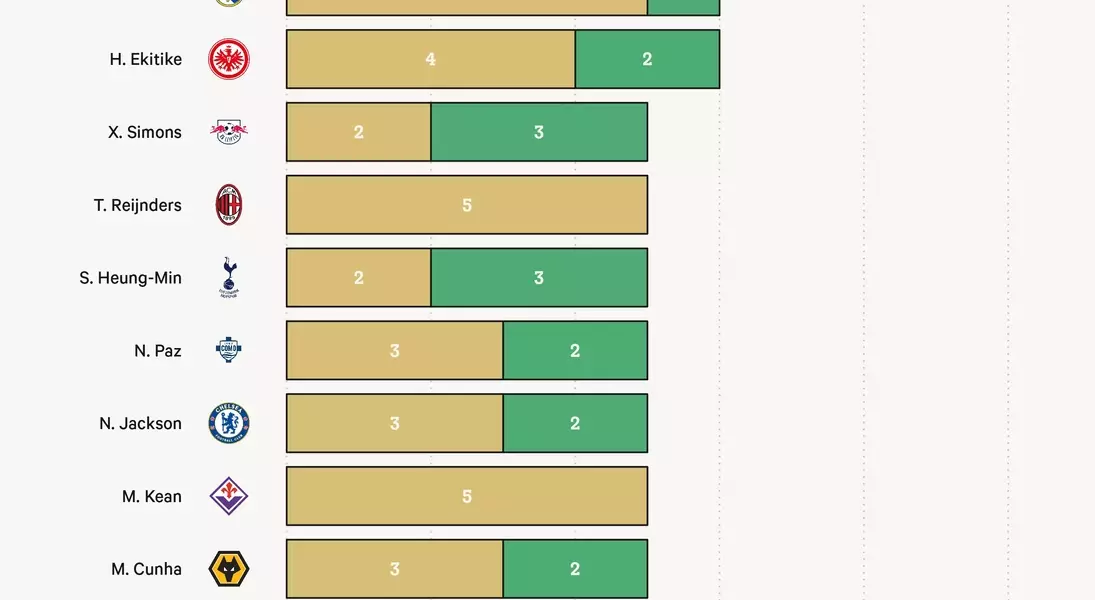
Liverpool, another Premier League giant, is on the verge of securing Hugo Ekitike, a highly sought-after forward, reflecting their ambition to enhance their offensive capabilities. This potential acquisition underscores a drive to add young, promising talent with significant future potential. Meanwhile, Arsenal has made notable progress in their transfer dealings, with Noni Madueke's permanent move and Cristhian Mosquera's impending arrival poised to bolster their squad ahead of the new season. Chelsea is also actively involved in streamlining their roster, achieving substantial profits from key departures such as Djordje Petrovic and Noni Madueke. Their strategy involves making strategic inquiries for new talents while prioritizing further player exits to maintain financial health. These interconnected movements across clubs emphasize the intricate balance between on-field competitiveness and robust financial management.
Youth Integration and Veteran Departures
The transfer market narrative also strongly features the integration of young talent and the thoughtful management of veteran player departures. Manchester City has added Sverre Nypan, an 18-year-old Norwegian midfielder, to their ranks, with an immediate loan spell planned to facilitate his development. This strategic approach to nurturing young prospects while securing future talent is further exemplified by the permanent transfer of Maximo Perrone to Como, which also includes a sell-on clause, showcasing City's astute financial planning. The emphasis on youth is a common thread among elite clubs, as they seek to build sustainable, long-term success. These investments in young players reflect a forward-thinking vision, ensuring a pipeline of talent for years to come.
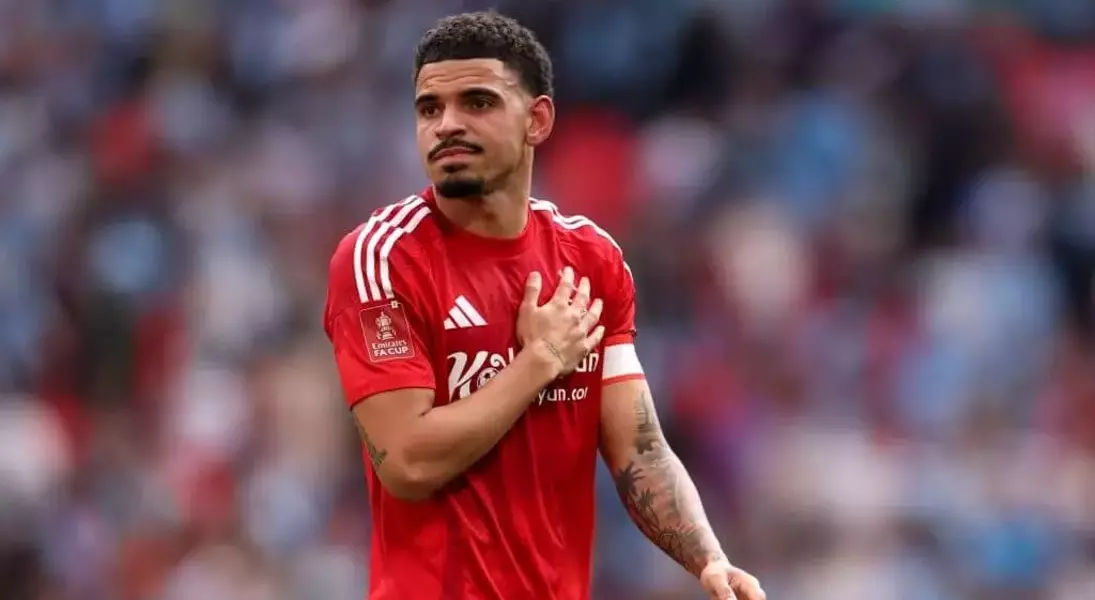
Real Madrid, renowned for its galactico policy, has recently focused on integrating promising young players like Alvaro Carreras and Franco Mastantuono, signifying a shift towards a more youth-centric recruitment strategy. This renewed emphasis on youthful potential comes at a time when the club is also navigating the departures of experienced figures such as Lucas Vazquez and, most notably, Luka Modric. These veteran exits, while creating a leadership void, also open up opportunities for emerging talents to step into more prominent roles. Tottenham Hotspur, too, is exploring options like Morgan Gibbs-White to strengthen their midfield, while grappling with the uncertain futures of high-profile players like Son Heung-min and Cristian Romero. Barcelona, meanwhile, has addressed attacking needs with Marcus Rashford's loan, managing significant financial constraints that necessitate reliance on loan deals and strategic player offloads. These intertwined themes of youth development and managing veteran transitions are critical components of the ongoing transfer activity, shaping the future competitive landscapes of these football powerhouses.
