

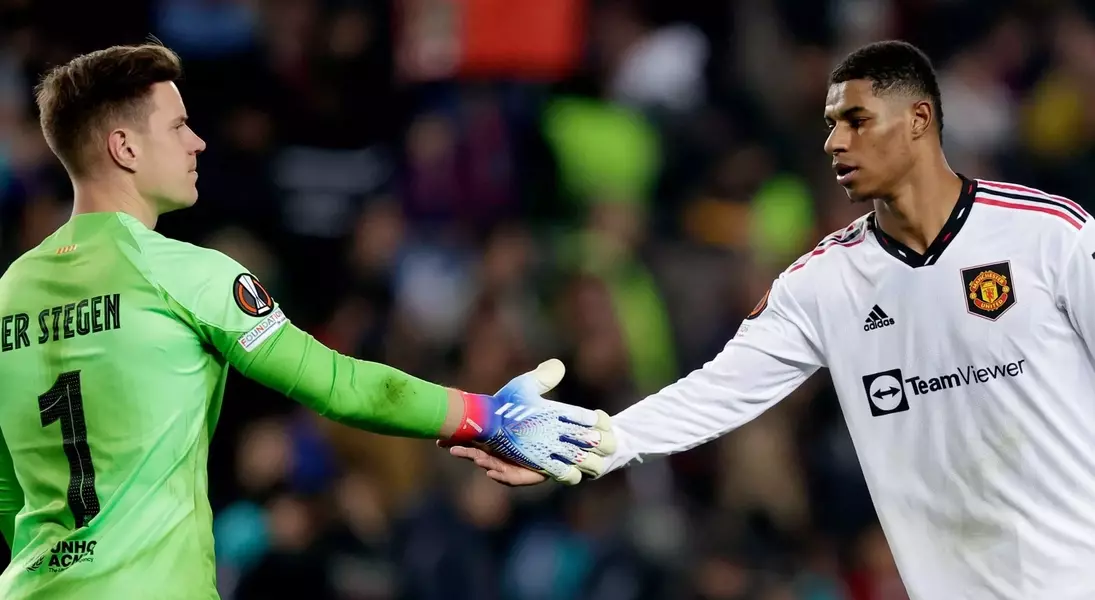


Barcelona's intricate dance with financial regulations continues to dominate headlines, as the club grapples with La Liga's stringent salary cap while actively pursuing high-profile signings. This ongoing challenge was vividly illustrated by their recent efforts to secure Marcus Rashford. Despite reaching an agreement with the Manchester United forward, including a significant pay cut on his part, the Catalan giants face the familiar predicament of ensuring the transfer can be officially sanctioned. This mirrors previous situations, such as the registration of Dani Olmo, which required extraordinary measures, and the failed attempt to sign Nico Williams, who wisely included an exit clause in his contract demands, anticipating potential registration issues.
Beyond Barcelona's financial tightrope walk, the football transfer market is abuzz with activity across various leagues. Parma is showing strong interest in acquiring Gio Reyna, who is keen to leave Borussia Dortmund for more playing time, underscoring the dynamic nature of player movements in search of new opportunities. Concurrently, smaller clubs like Wrexham are making significant financial outlays to strengthen their squads, demonstrating their growing ambition. These developments highlight the diverse financial landscapes and strategic approaches clubs adopt in their pursuit of competitive advantage, from managing salary caps to making impactful investments in talent.
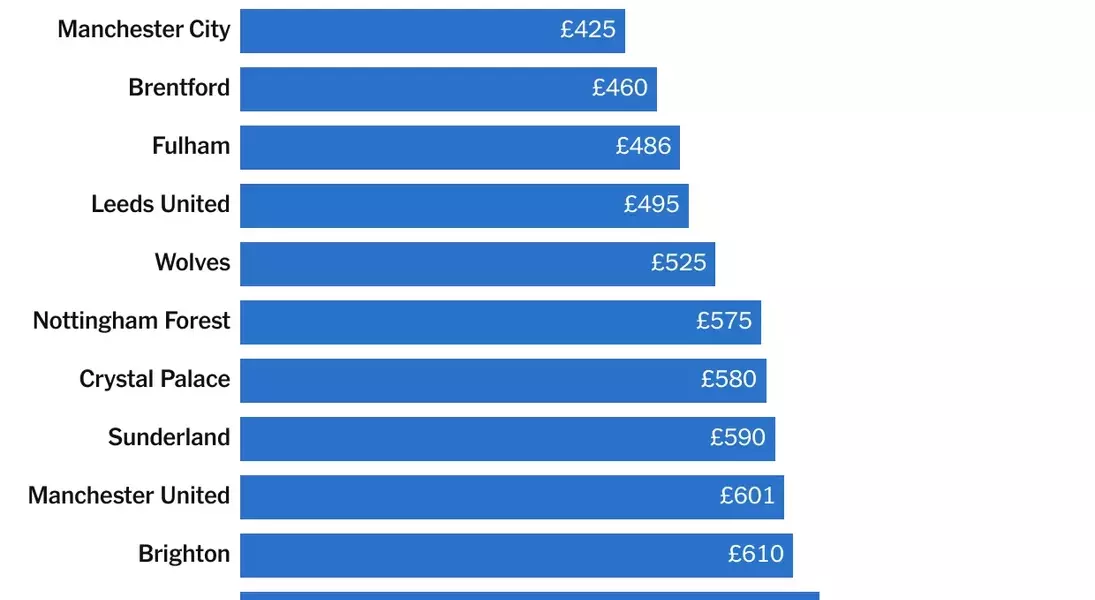
The financial aspects of football extend beyond player transfers to the fan experience, with Premier League ticket prices sparking considerable debate. As season ticket costs continue to escalate, reaching exorbitant levels at some clubs, questions arise about the sport's accessibility and its potential to price out ordinary supporters. This trend underscores a broader conversation about the commercialization of football and its impact on the core fanbase. Despite these challenges, the unwavering passion for the game remains, driving clubs to innovate both on and off the pitch to maintain their competitive edge and appeal, ultimately contributing to the sport's vibrant and ever-evolving global narrative.
