
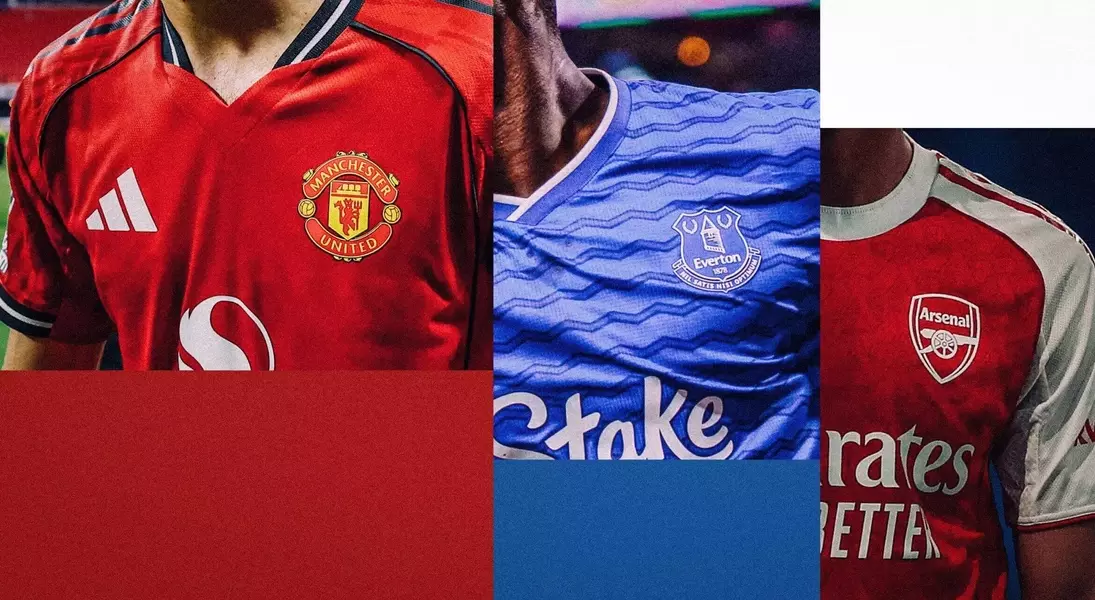
The realm of professional football is witnessing a significant evolution, marked by both strategic innovations on the pitch and dynamic shifts in player markets. This comprehensive overview explores emerging tactical approaches in the Premier League, highlighting how teams are redefining gameplay beyond conventional methods. Concurrently, the global transfer landscape is buzzing with activity, featuring notable acquisitions in Major League Soccer, substantial moves within European circuits, and impactful deals reshaping Premier League squads. These developments collectively paint a picture of a sport continually adapting, pushing boundaries, and captivating audiences with its unpredictability and excitement.
In the tactical domain, Premier League clubs are increasingly embracing strategies that challenge traditional football paradigms. A striking example is the reimagined use of kick-offs, transforming them from mere restarts into potent attacking opportunities. Brentford, for instance, has notably exploited this by scoring multiple times within seconds of a kick-off, often employing long, direct passes into the final third to target less dominant full-backs. This resurgence of long passes, despite an overall decline in their frequency, signals a strategic intent to create immediate pressure and exploit defensive vulnerabilities.
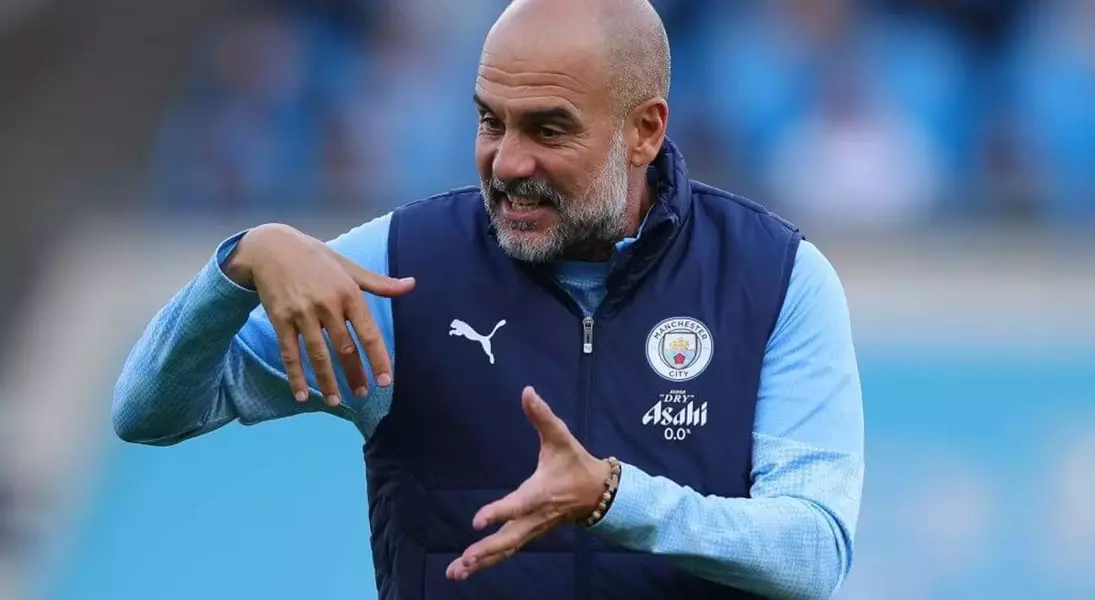
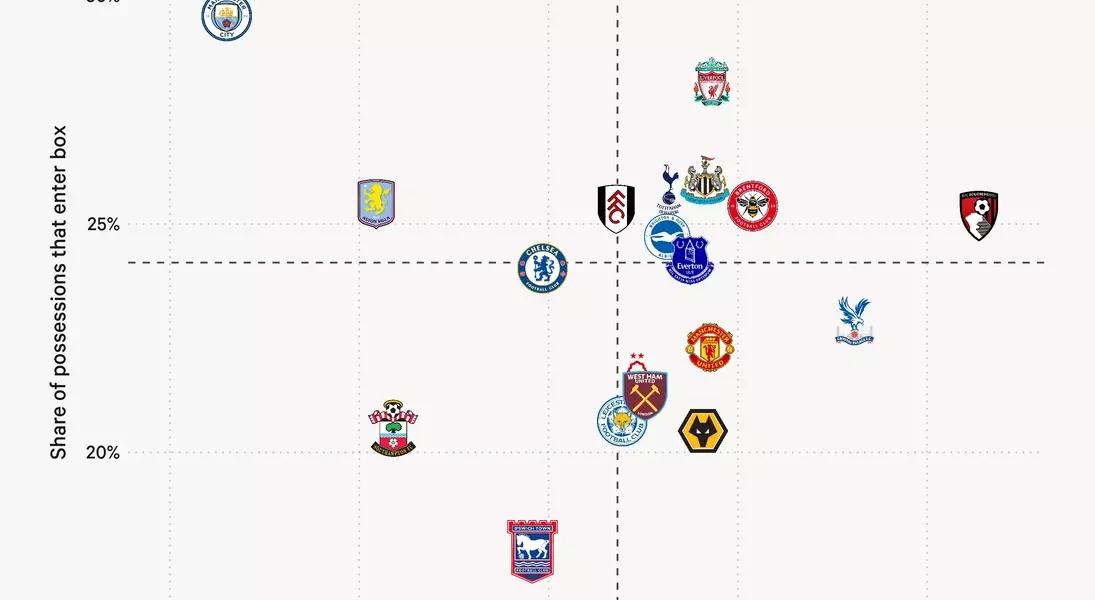
Furthermore, an intriguing philosophical shift is evident in the Premier League, epitomized by managers like Pep Guardiola advocating for a more 'chaotic' and transitional style of play. This approach prioritizes frantic, high-turnover matches designed to maximize attacking possessions, moving away from rigid, positional play. Teams such as Bournemouth, Newcastle, Brighton, and Liverpool exemplify this shift, demonstrating efficiency in capitalizing on rapid turnovers. Manchester City, under Guardiola, also appears poised to adopt this dynamic style, leveraging technically gifted players to thrive in such fast-paced scenarios.
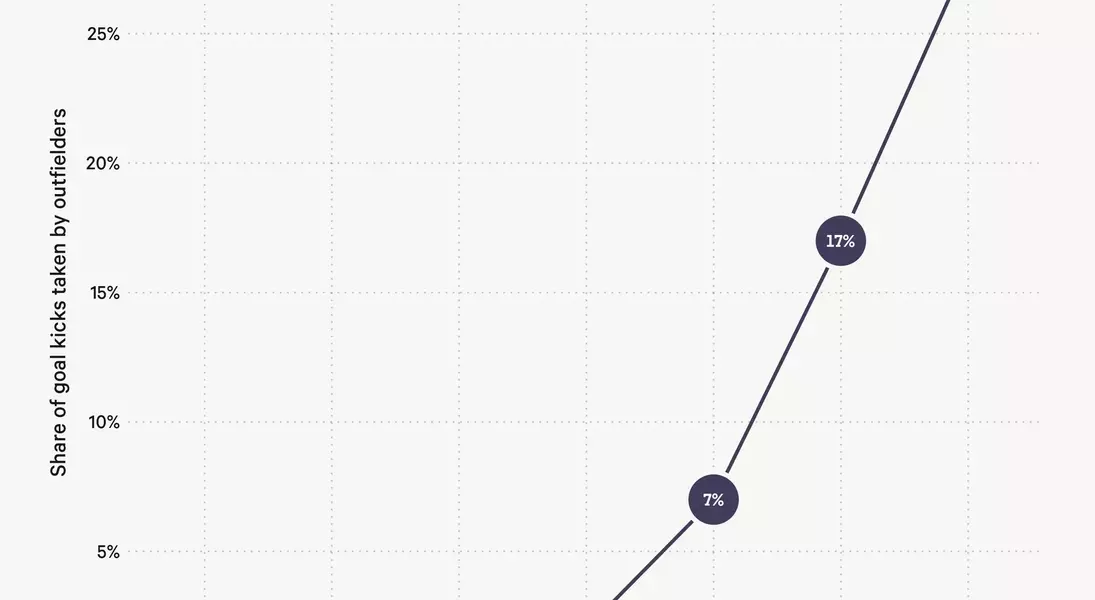
Another notable tactical innovation gaining traction is the involvement of outfield players in goal kicks. Historically the sole domain of goalkeepers, nearly a third of all goal kicks last season were taken by outfielders, indicating a deliberate strategy to integrate an extra player into the build-up phase. Brighton and Liverpool have been pioneers in this area, albeit with differing execution styles—Brighton favoring ground passes, while Liverpool opting for aerial routes. This tactic underscores a continuous quest for novel ways to initiate attacks and circumvent opposing presses, although its long-term efficacy against evolving counter-strategies remains to be seen.
Beyond the pitch, the transfer market continues to be a hotbed of activity. Major League Soccer has recently welcomed football luminaries Son Heung-min and Thomas Muller, signaling a rising global appeal for the North American league. Son's arrival at LAFC has generated immense local enthusiasm, while Muller's move to Vancouver Whitecaps presents a strong possibility of him clinching an MLS title, a rare feat for European marquee signings. In Europe, USMNT forward Tim Weah's transfer to Marseille underscores a trend of players seeking increased playing time ahead of critical international tournaments, a sentiment echoed by Charlie Davies regarding Matt Turner's loan to New England Revolution.
The Premier League's transfer merry-go-round continues unabated. Darwin Nunez's impending move from Liverpool to Al Hilal for a substantial fee could unlock funds for Liverpool's pursuit of Alexander Isak. Meanwhile, Manchester United are actively negotiating for Benjamin Sesko and have expressed interest in Carlos Baleba, though Brighton remains reluctant to sell. Jack Grealish's potential loan move from Manchester City to Everton highlights the ongoing fluidity of squad compositions. Even new signings like Viktor Gyokeres at Arsenal are already making their mark, with analysts meticulously tracking their early performances. The sheer volume and complexity of these transactions underscore a highly competitive and interconnected global football economy.
The current football season is characterized by a blend of tactical ingenuity and a bustling transfer market, indicating a period of significant evolution within the sport. Teams are actively experimenting with dynamic playing styles, from weaponizing kick-offs to embracing chaotic, high-tempo matches. Simultaneously, player movements across continents are reshaping team rosters and influencing competitive balances, reflecting the sport's global reach and economic vitality. These multifaceted developments ensure that football remains an ever-engaging spectacle, continually offering fresh narratives and unforeseen outcomes for fans worldwide.
