
This report delves into the unexpected halt of the popular Football Manager 2025 game, exploring the multifaceted reasons behind its unprecedented cancellation. It further outlines the developers' determined efforts to mitigate the fallout and pave the way for a successful relaunch with the upcoming 2026 installment, highlighting the resilience of a major gaming franchise in the face of adversity.
Football Management Simulator's Rocky Road and Key Developments in the Football World
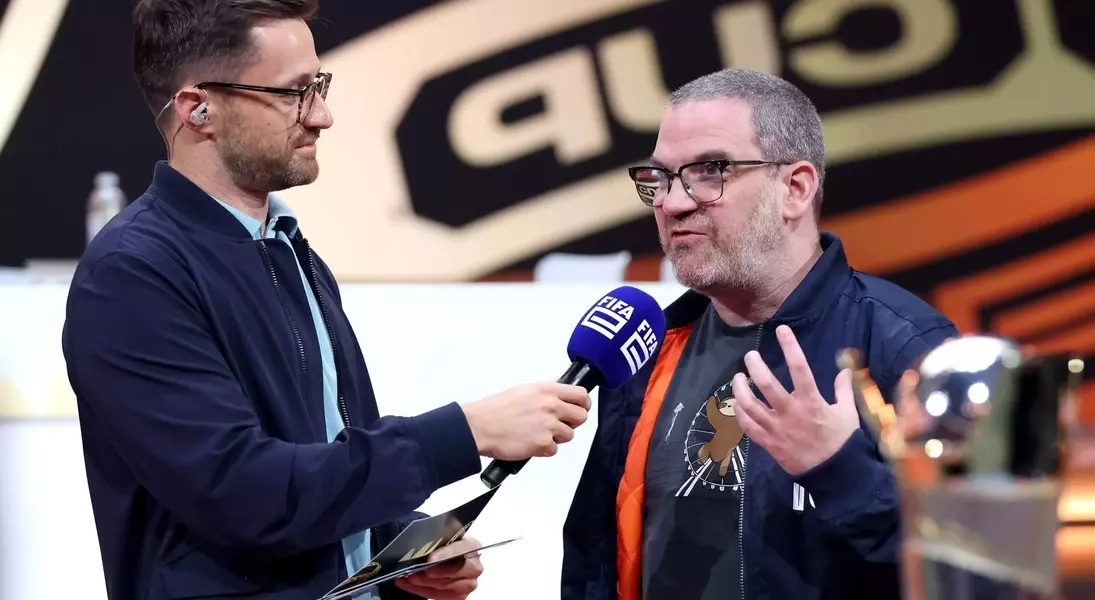
In a significant development for the gaming community, the much-anticipated 2025 iteration of the widely popular football management simulation game, Football Manager, experienced an unfortunate and unprecedented cancellation. This decision sent shockwaves through the industry and among its dedicated fanbase, who had eagerly awaited its release. Miles Jacobson, the esteemed studio director at Sports Interactive, the creative force behind Football Manager, candidly addressed the challenges that led to this difficult choice. He detailed a series of unforeseen obstacles, including the arduous transition to an entirely new game engine – a monumental task akin to migrating an operating system from Windows to Apple. Furthermore, internal testing revealed significant usability issues, with Jacobson himself admitting difficulty navigating certain features. Adding to these technical complexities were undisclosed legal and developmental impediments, which cumulatively contributed to the complete withdrawal of the 2025 version in February. Despite the financial repercussions, Jacobson emphasized that releasing a subpar product was not an option, asserting that the franchise's integrity and player experience were paramount. While the cancellation undoubtedly tarnished the game's immediate reputation and impacted the stock market valuation of Sega, its publisher, the overwhelming positive reception to early teasers for the 2026 version signals a strong possibility of a triumphant return.
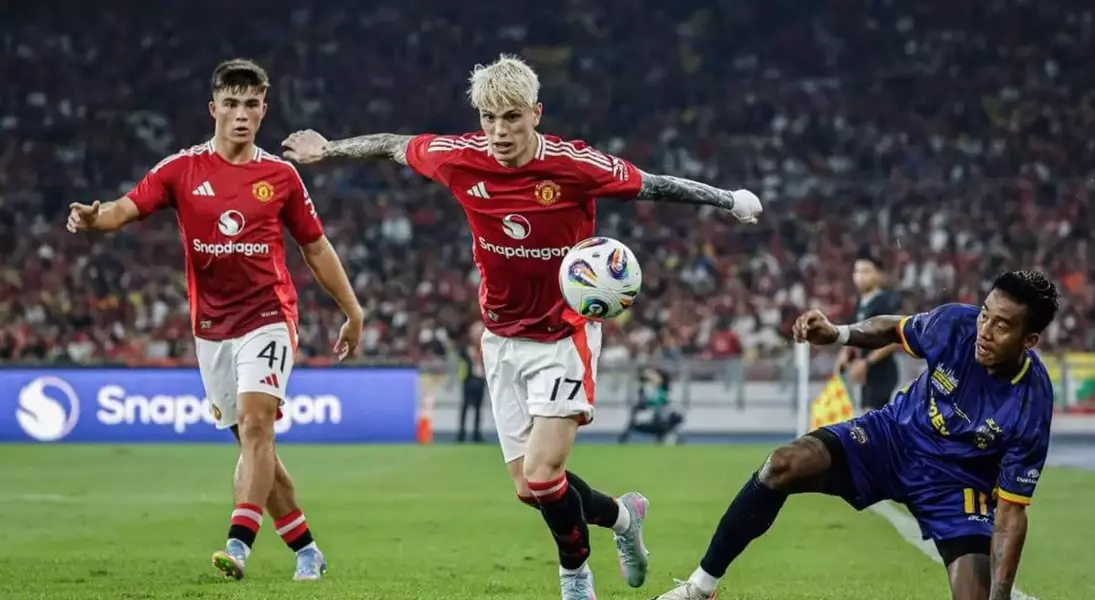
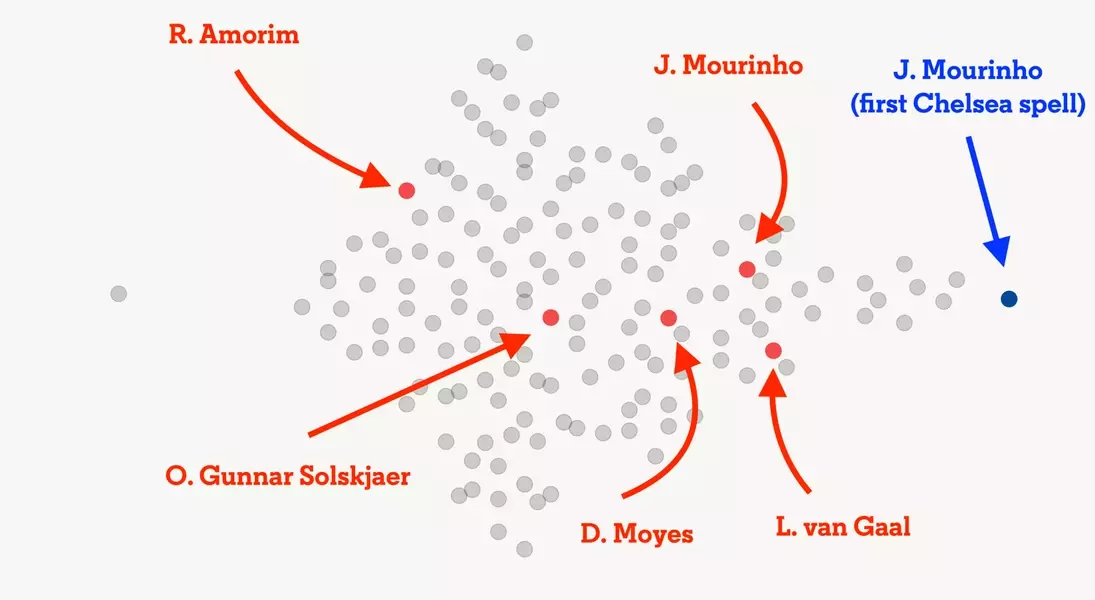
Beyond the realm of virtual football, the professional football landscape has been abuzz with notable managerial changes and high-profile player transfers. In Turkey, the charismatic Jose Mourinho recently departed Fenerbahce following a campaign that fell short of Champions League qualification, marking the end of a chapter that began with immense fanfare. Simultaneously, Ole Gunnar Solskjaer was relieved of his duties as Besiktas head coach after the club failed to secure a spot in the Conference League. In the vibrant transfer market, Chelsea secured Manchester United's talented winger Alejandro Garnacho for a reported £40 million. Meanwhile, United's young midfielder Kobbie Mainoo expressed a desire for a loan move, though the club appears reluctant to grant it. Newcastle United made headlines with their pursuit of Stuttgart's Nick Woltemade for a substantial £65 million, a move that raised eyebrows given the player's past record. Tottenham Hotspur also made a significant acquisition, agreeing to a £51.8 million deal with RB Leipzig for Xavi Simons, a transfer that seems to satisfy all parties involved. On the managerial front, questions are being raised about Manchester United's faith in Ruben Amorim, particularly after a disappointing performance against Grimsby Town, highlighting the relentless pressure managers face in the Premier League. In other intriguing news, Son Heung-min's record-breaking move to LAFC in Major League Soccer has ignited a merchandise frenzy, with his jersey becoming a global bestseller, further amplified by his appearance throwing the first pitch at a Los Angeles Dodgers baseball game, showcasing the cross-sport appeal of football stars.
Reflecting on Resilience and Strategic Maneuvers in Modern Football
The journey of Football Manager, marked by its recent unforeseen challenges, offers a compelling narrative of resilience and adaptability within the competitive gaming industry. It underscores the critical importance of a robust development process and a willingness to prioritize product quality over rushed releases, even in the face of significant commercial pressure. This episode serves as a powerful reminder that even established and successful franchises are not immune to setbacks and must continuously innovate and self-correct to maintain their standing. From a broader perspective, the dynamic shifts in the real football world, including high-stakes managerial changes and lucrative player transfers, reflect the ever-evolving nature of the sport. The decisions made by clubs, whether in the dugout or on the transfer market, are not merely about on-field performance but also strategic business maneuvers. The global appeal of football, as exemplified by Son Heung-min's immense popularity transcending traditional sports boundaries, highlights its powerful cultural influence and economic impact. Ultimately, both the virtual and real football narratives emphasize that success in this domain is a continuous process of learning, adapting, and striving for excellence, reminding us that in the world of sports, both digital and physical, every 'game' counts.
