This comprehensive discussion explores several compelling issues currently shaping the football landscape. From the financial dynamics of top-tier clubs to the evolving methodologies for player evaluation and the ongoing struggle for equitable media representation in women's sports, the article offers diverse perspectives. It critically examines the spending patterns of prominent English clubs, challenges conventional wisdom regarding player statistics, and passionately advocates for increased visibility and recognition of women's football achievements.
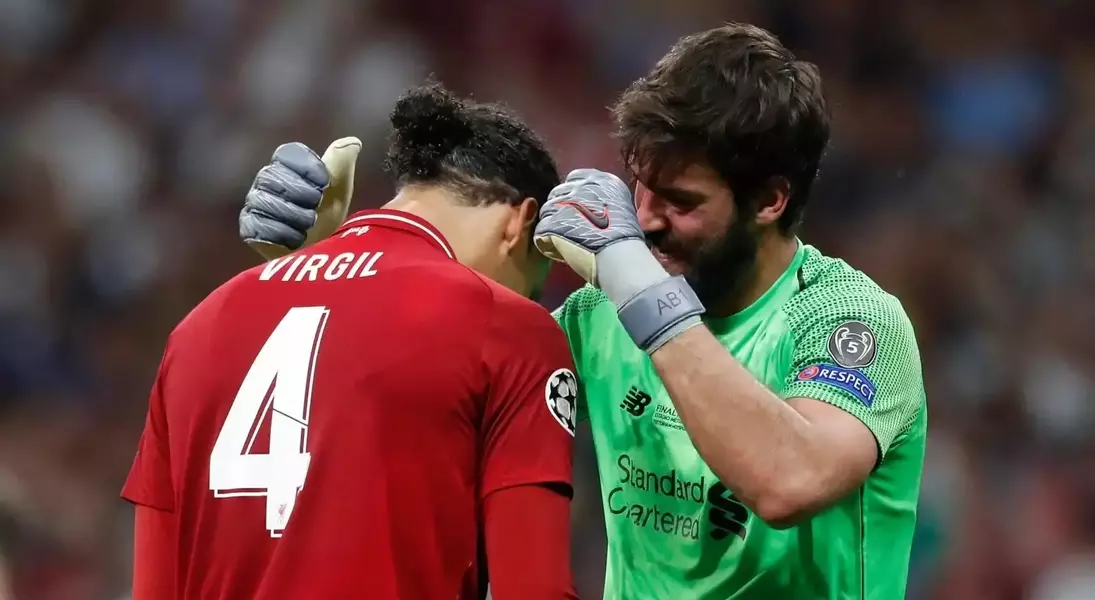
A significant portion of the debate centers on the financial disparities within the Premier League, particularly comparing Liverpool and Everton over the past decade. Contrary to popular belief that Liverpool operates with an overwhelming financial advantage, an analysis of spending from 2015 to 2024 reveals a more nuanced picture. While Liverpool invested 1.24 billion euros in players, ranking tenth in Europe, Everton's expenditure stood at a substantial 1.03 billion euros, placing them 17th. This suggests that the perceived 'glass ceiling' for smaller clubs might be less about sheer spending volume and more about the effectiveness of investment, talent identification, and strategic development. Liverpool's success during this period, ascending from a mid-table position to a top contender, is attributed to shrewd management, intelligent scouting (highlighted by acquisitions like Salah, Mane, Van Dijk, and Alisson), and a coherent long-term strategy rather than limitless financial backing. In contrast, Everton's considerable spending did not yield comparable on-field success, underscoring that financial outlay alone does not guarantee performance.
Another central theme is the detailed examination of Expected Goals (xG) as a metric for assessing player ability, especially for strikers. The piece argues that xG provides a more accurate and insightful measure of a player's contribution than simply counting actual goals scored. Using Cristiano Ronaldo as a prime example, it contends that while he accumulated impressive goal tallies, his xG data over several seasons suggests he was an average finisher. His success stemmed not from exceptional finishing, but from his remarkable ability to consistently generate high-probability scoring opportunities through athleticism, intelligence, and positioning. The article posits that great strikers excel at maximizing xG from various situations, even starting from low-probability positions, by making smart decisions and utilizing their strengths to create clearer chances. This perspective challenges the traditional emphasis on 'finishing ability' and advocates for a deeper understanding of how players contribute to goal creation.
The article also passionately addresses the limited media coverage of women's football, particularly in contrast to the extensive reporting on the men's game. Despite the growing popularity and success of women's tournaments, such as England's Euro victories, mainstream sports outlets are criticized for their inadequate and often superficial coverage. The piece highlights the emotional depth, tactical brilliance, and pure passion evident in women's football, drawing parallels to beloved moments in men's football history. It laments that financial considerations and clickbait priorities often overshadow the opportunity to genuinely elevate the women's game. The argument is made that by investing more in comprehensive, high-quality analysis of women's football, media organizations could contribute significantly to shifting perceptions and fostering greater interest and appreciation for the sport, moving beyond the current disparity where men's football receives disproportionately more attention regardless of content quality.
Ultimately, the article asserts that success in football, whether on the field or in media representation, hinges on strategic thinking, effective resource allocation, and a willingness to challenge established norms. It calls for a re-evaluation of how we assess club performance, player contributions, and the visibility afforded to different facets of the sport, advocating for a more objective and equitable approach.
