

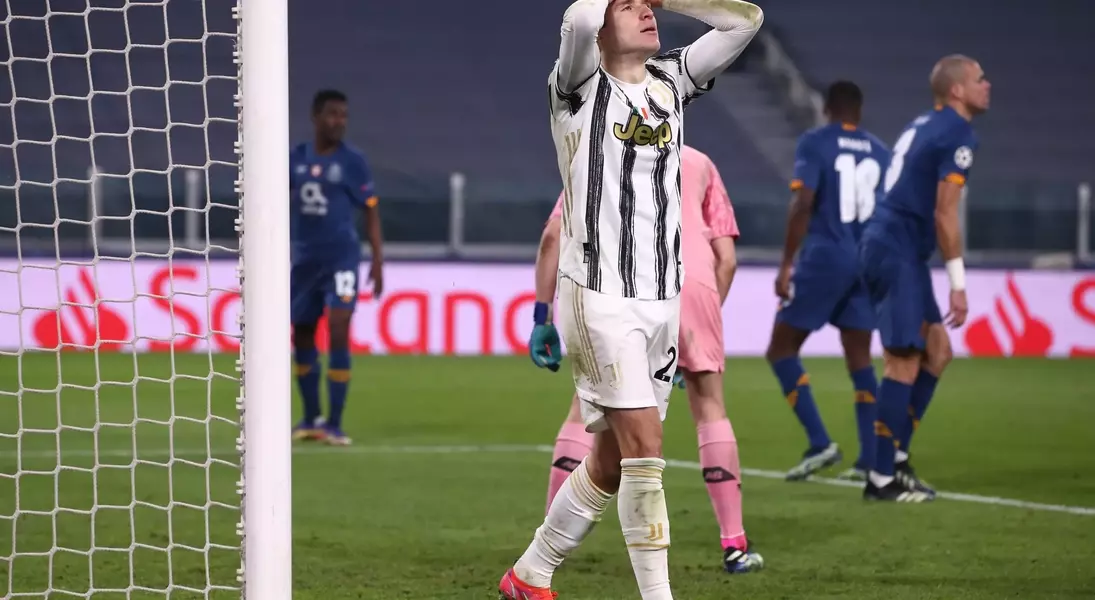

The recent controversy surrounding Liverpool's chant for Federico Chiesa has ignited a critical conversation about the nuances of fan expression in football. This incident, while seemingly innocuous to some, carries significant historical weight, particularly concerning the tragic Heysel disaster. It underscores the delicate balance between robust fan culture and the imperative of sensitivity, especially when past events loom large. This discussion extends beyond individual club loyalties, touching on universal questions of respect and remembrance within the sport. Simultaneously, the broader football narrative unfolds with dynamic developments in the transfer market, where new financial benchmarks are being set in women's football, alongside the early season anxieties gripping certain Premier League clubs. Even the seemingly mundane aspects of game management, such as 'multiball' regulations, are generating significant penalties, showcasing the meticulous oversight in modern football governance. The sport continues to offer a rich tapestry of stories, from on-pitch performances and rising stars to the intricate off-field decisions that shape its future.
Amidst these evolving dynamics, challenges persist for established teams like Rangers, who are navigating a difficult start to their season both domestically and in European competitions. Their struggles serve as a stark reminder of the relentless competitive nature of top-tier football, where even minor missteps can have far-reaching consequences. The interplay of fan sentiment, historical context, financial movements, and tactical execution paints a comprehensive picture of the contemporary football landscape. It is a world where every action, from a chanted lyric to a transfer fee, contributes to a larger, constantly shifting narrative of passion, ambition, and the ever-present pursuit of victory.
The Ripple Effect of Fan Chants
The football world is currently grappling with the aftermath of a specific Liverpool fan chant targeting Federico Chiesa and Juventus. This incident has sparked a vital discussion within the sport about the blurred lines between fervent support and inappropriate or offensive conduct. The core of this debate lies in understanding how certain expressions, even if not intentionally malicious, can carry profound negative connotations due to historical events like the Heysel stadium tragedy, which tragically claimed numerous lives, primarily Juventus supporters. The discomfort and questioning around the chant's tone highlight a broader ethical dilemma for fan communities: where should the boundary be drawn between passionate rivalry and insensitive mockery, especially when past collective trauma is involved?
This situation mirrors past controversies, such as the chant concerning Willy Gnonto at Leeds United, which raised similar questions about racial insensitivity. While the Chiesa chant's context differs, the underlying tension remains: how do we define and enforce decency in stadium anthems? Liverpool, having rightfully condemned tasteless chants related to the Hillsborough disaster, faces a mirror image of this ethical challenge. Critics suggest minor lyrical adjustments could easily mitigate the offensive elements, transforming aggression into mere farewells, thereby demonstrating a greater respect for shared history and fostering a more inclusive fan environment. However, reactions to this proposition are sharply divided, revealing that the perception of a chant's propriety is highly subjective and often dependent on individual fan perspectives and allegiances.
Beyond the Terraces: Transfer Dynamics and Club Challenges
Beyond the immediate controversy of fan chants, the football landscape is bustling with significant developments in player transfers and club performance. The women's game, in particular, is on the cusp of setting a new transfer record, with Orlando Pride reportedly prepared to invest a substantial sum for Lizbeth Ovalle. This potential transfer underscores the growing financial clout and increasing recognition of talent in women's football, signaling a new era of investment and professionalism. Meanwhile, player movements and club stability remain central themes, as seen with Alexander Isak's strong stance on his future at Newcastle United, suggesting a breakdown in trust that could lead to his departure. Young talents like Franco Mastantuono and Sverre Nypan are also making headlines, with promising debuts and strategic loan moves shaping their early careers and reinforcing the importance of nurturing future stars.
The opening fixtures of the Premier League season have also unveiled early signs of distress for several clubs. Tim Spiers' innovative 'panic rankings' highlight teams like Everton and West Ham United as particularly vulnerable, exhibiting performances that suggest deep-seated issues even at this nascent stage of the competition. Brentford's struggles, despite a strong initial ranking, further illustrate the unpredictability of top-flight football and the immediate pressures faced by new coaching appointments. Compounding these on-field anxieties are unexpected off-field issues, such as Aston Villa's recurring violations of 'multiball' regulations, resulting in significant fines and a ban. This peculiar situation highlights the stringent, sometimes obscure, rules governing professional football and how their enforcement can impact clubs. Collectively, these events paint a vivid picture of a sport continually evolving, where success hinges not only on athletic prowess but also on sound management, financial acumen, and an acute awareness of both its cultural complexities and regulatory frameworks.
