




In an unexpected twist, the controversial proposal to separate racing and slot-machine licenses at Gulfstream Park has been integrated into a broader gambling reform bill. This shift moves the debate from the Senate to the House, where tighter regulations and daily fantasy sports authorization are also on the table. The move has left opponents scrambling to adjust their strategies while highlighting the complexities of Florida's legislative process.
Moving Forward: A Battle Over Florida's Gaming Future
The landscape of Florida's gaming industry is undergoing significant changes as lawmakers grapple with proposals that could redefine its future. At the heart of this debate lies the contentious issue of decoupling racing and casino licenses, a move opposed by many who fear it may signal the end of horse racing in South Florida.
Shifting Grounds: From Senate to House
What began as a standalone Senate initiative to allow Gulfstream Park to sever ties between its racing and slot operations has now taken a dramatic turn. Instead of proceeding independently through the Senate committee structure, the essence of this proposal has been incorporated into House Bill 1467. This comprehensive measure seeks not only to regulate but also to embrace emerging forms of gambling like daily fantasy sports.
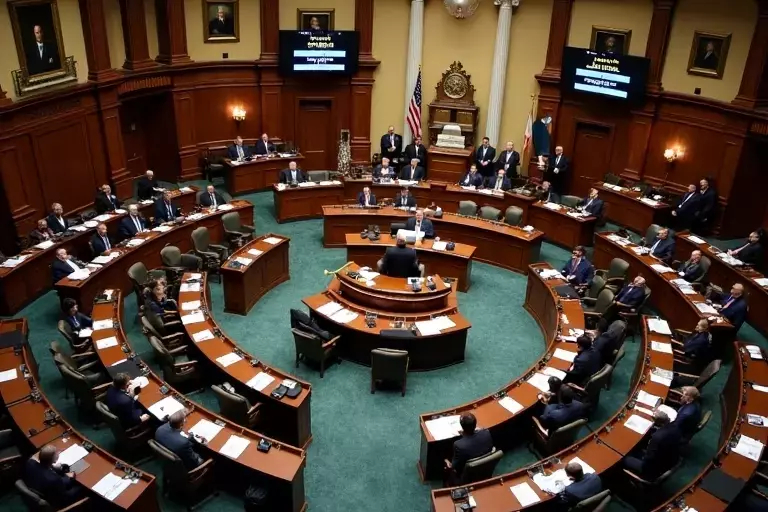
This strategic maneuver caught many stakeholders off guard, forcing them to pivot quickly from one legislative chamber to another. Those passionately opposing decoupling found themselves needing to relocate swiftly within Tallahassee’s Capitol Complex, transitioning from Senate hearings to those conducted by the House Commerce Committee. Such rapid shifts underscore the fluid nature of legislative processes and highlight how critical issues can be reshaped mid-stream.
A Timely Reprieve: Adjusting Strategies Mid-Stream
Jason Brodeur, chair of the Senate appropriations subcommittee focusing on agriculture, environment, and general government matters, announced the postponement of Senate Bill 408 discussions. His decision was met with mixed reactions among attendees who had traveled considerable distances expecting detailed deliberations over the fate of Thoroughbred racing permits.
For Damon Thayer, a former Kentucky state senator now advising the Thoroughbred Racing Initiative (TRI), this delay represented both a challenge and opportunity. While acknowledging the necessity for continued vigilance, he expressed optimism about leveraging the new context provided by House Bill 1467. Despite the evolving situation, TRI remains committed to resisting any amendments that might facilitate decoupling under different guises.
Redefining Timeframes: Six Years and Beyond
A notable adjustment in the latest iteration of the decoupling proposal involves extending the mandatory period during which Gulfstream Park must continue hosting live races. Initially proposed timelines varied between five years in earlier House drafts and seven years according to Senate versions. Now, proponents have settled on ensuring that no termination notices can precede July 1, 2027, followed by at least three additional operational years post-notification.
This amendment implies that even if Gulfstream elects to cease racing activities entirely, they cannot do so before July 1, 2030. Such precise scheduling aims to provide stability for participants within the racing community while allowing sufficient time for alternative arrangements should decoupling become inevitable.
Economic Motivations Behind Decoupling
Pushed primarily by The Stronach Group, decoupling represents an effort to enhance gaming revenues without adhering strictly to annual race day minimums currently mandated. By unlinking these two revenue streams, operators hope to optimize profitability through more flexible operational models focused predominantly on casino-style gambling.
However, critics argue that such flexibility comes at too high a cost—potentially eroding traditional elements central to Florida's equine heritage. They contend that maintaining a balance between historical traditions and modern economic demands necessitates careful consideration beyond mere financial metrics.
Legislative Sponsors and Their Vision
Palm Beach-area Republican John Snyder initiated sponsorship efforts alongside Adam Anderson, representing Tampa Bay interests. Together, they envisioned a regulatory framework encompassing broader reforms including authorizations for daily fantasy sports. Meanwhile, Senator Corey Simon from Florida's panhandle championed parallel measures within the upper house, albeit without incorporating all recent modifications debated extensively within lower chambers.
These collaborative endeavors reflect diverse regional perspectives converging towards shared objectives yet acknowledge inherent differences requiring reconciliation throughout the ongoing legislative session scheduled until May 2.
