


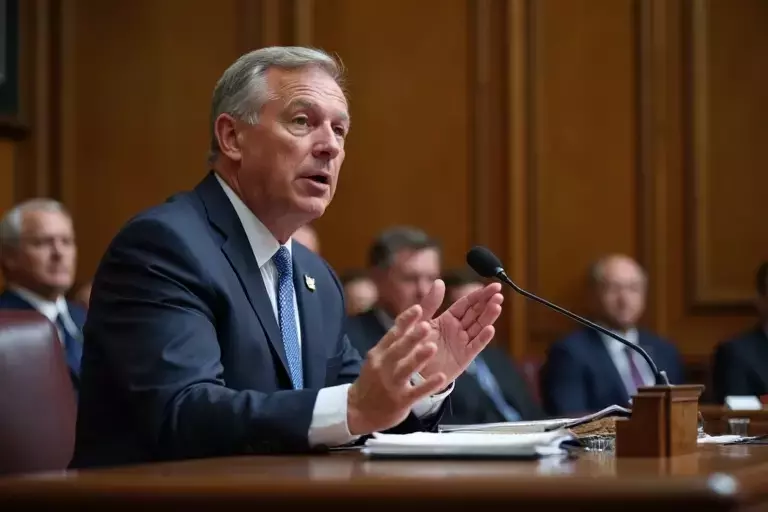

A contentious proposal to decouple racing and gaming licenses in Florida has taken a dramatic turn. Instead of proceeding as a standalone bill in the Senate, it was incorporated into broader gambling legislation (House Bill 1467) approved by a House committee this week. The measure passed with a 17-9 vote, advancing toward the full House for consideration amidst a rapidly closing legislative session ending May 2. This development rekindled discussions over its implications for South Florida's thoroughbred racing industry.
The debate centered on Gulfstream Park’s potential to separate its racing and slot machine licenses, raising concerns within the thoroughbred community about the future of horse racing in the region. Proponents argue that the move would streamline financial processes benefiting breeders and owners, while opponents warn it could lead to the eventual demise of live racing at Gulfstream Park. Amidst these claims, the revised bill mandates that Gulfstream continue live racing for at least six years, offering some reassurance to stakeholders.
As Tuesday's hearing unfolded, representatives from various sectors voiced their opinions. Republican Adam Anderson emphasized no changes would occur to the $30 million annual subsidies supporting the thoroughbred industry. Meanwhile, critics like Jena Antonucci, trainer of the 2023 Belmont Stakes winner, questioned the rush to pass such significant legislation without adequate deliberation. Other speakers highlighted the benefits of protecting local industries over foreign corporate interests.
In another twist, military veterans joined the opposition, fearing unintended consequences for bingo games crucial to their fundraising efforts. With all Republican votes backing the bill except two, alongside unanimous Democratic dissent, the stage is set for further legislative battles. Notably, an alternative Senate bill received approval but lacks the decoupling amendment present in the House version.
As the legislative session progresses, attention shifts to whether the Senate will adopt similar measures or pursue different paths regarding gambling reforms. Advocates on both sides remain vigilant, recognizing the stakes involved in shaping Florida's gambling landscape.
Despite progress within the House, uncertainty persists concerning Senate alignment. Legislative maneuvering continues as lawmakers weigh competing interests and strive to finalize decisions before the session concludes. Key players acknowledge ongoing challenges ahead, ensuring lively discourse remains integral to determining Florida's regulatory framework governing gambling activities.
