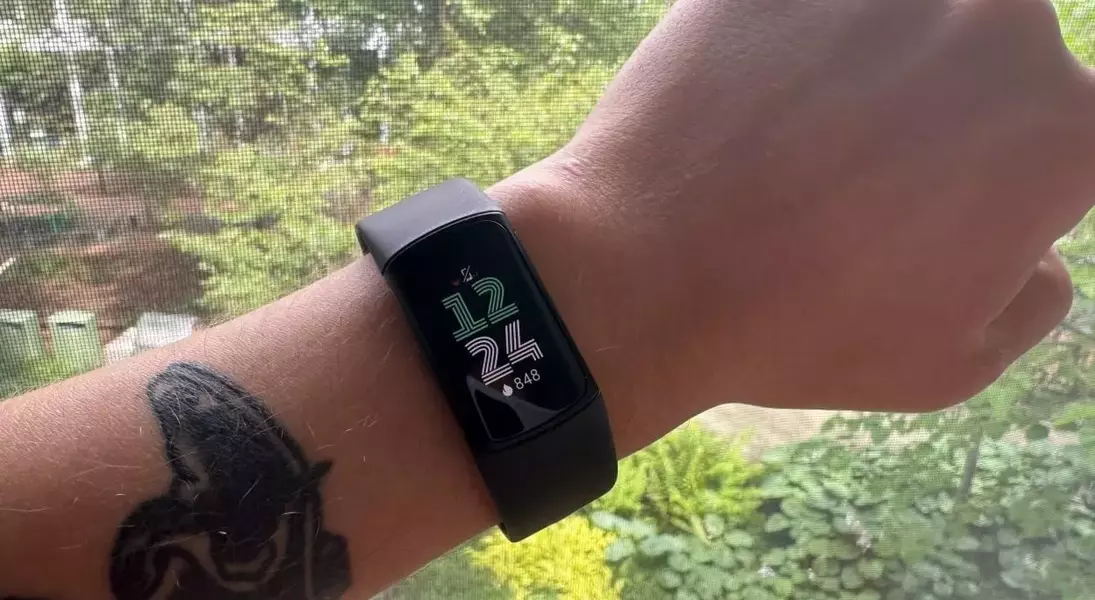
While the Fitbit Charge 6 excels in many aspects, offering an affordable and stylish fitness tracking solution with integrated GPS, continuous heart rate monitoring, and comprehensive sleep analysis, it falls short in one crucial area: the lack of an altimeter. This omission significantly impacts its ability to accurately measure elevation changes during physical activities, a feature that can be vital for certain users. Despite this notable absence, the device still presents a robust set of functionalities, making it a viable option for those whose fitness tracking needs do not heavily rely on precise altitude data.
The Fitbit Charge 6, while generally well-received for its diverse capabilities, lacks an altimeter, a sensor crucial for gauging elevation. This sensor, which measures how high one is above sea level by detecting changes in air pressure, is particularly beneficial in fitness trackers for accurately counting floors climbed or tracking elevation gains during activities like trail running or hiking. While GPS can offer a general approximation of height changes, it often falls short in precisely capturing minor elevation shifts. Consequently, for individuals whose training or lifestyle involves significant vertical movement, the absence of a dedicated altimeter in the Charge 6 represents a notable limitation, affecting the detailed insights into their workouts.
Beyond this specific oversight, the Fitbit Charge 6 boasts an impressive array of features that enhance its appeal as a comprehensive fitness tracker. It incorporates built-in GPS, liberating users from carrying their smartphones during outdoor exercises like running or cycling, all while meticulously logging pace, distance, and routes. The device also diligently tracks daily steps, calorie expenditure, and introduces 'Active Zone Minutes,' a distinctive Fitbit metric that quantifies time spent in elevated heart rate zones, providing a more nuanced understanding of exercise intensity. The continuous heart rate monitoring, powered by Fitbit's PurePulse 2.0 sensor, ensures 24/7 tracking, offering insights into resting heart rate, workout heart rate zones, and even alerting users to unusually high or low heart rates, contributing significantly to cardiovascular health oversight. Additionally, the Charge 6 includes SpO2 tracking for overnight blood oxygen saturation estimation, aiding in the identification of potential sleep-related breathing issues and informing recovery needs. For added convenience, the device delivers smartphone notifications directly to the wrist, with Android users benefiting from quick reply and voice dictation capabilities, though this functionality is not extended to iPhone users. Despite the altimeter's absence, these integrated features collectively position the Fitbit Charge 6 as a versatile and valuable tool for general fitness and health management.
Ultimately, the Fitbit Charge 6 stands as a commendable fitness tracker that offers substantial value for its price, particularly for individuals not heavily reliant on precise elevation data. Its integrated GPS, advanced heart rate monitoring, and sophisticated sleep analysis capabilities make it a strong contender in the wearable market. Although the omission of an altimeter may be a drawback for certain athletes or those focused on vertical performance metrics, the device's comprehensive health and fitness tracking features, combined with its user-friendly design and accessibility, still position it as an excellent choice for a broad spectrum of users looking to monitor their well-being.
