\"The Condor Daughter,\" a poignant Bolivian film exploring themes of cultural identity and generational change, has released its initial trailer, generating significant interest after its debut at the Toronto Festival. This drama, helmed by Álvaro Olmos Torrico, chronicles the journey of Clara, a young Quechua woman from the Andean highlands, as she grapples with the intricate balance between her heritage and the pull of contemporary influences. The film's narrative, rich with the customs of the Totorani Quechua community, promises a compelling exploration of tradition, personal aspiration, and the evolving landscape of rural life in the face of modernity.
Sales agent Bendita Film Sales has begun discussions for international distribution in various regions, highlighting the global appeal of this unique story. The film's evocative cinematography captures both the grandeur of the Andean landscape and the intimacy of its characters' struggles, while its narrative resonates with universal themes of belonging, coming-of-age, and the search for identity. \"The Condor Daughter\" stands out as a powerful cinematic endeavor that not only showcases Bolivian talent but also offers a window into the enduring spirit of indigenous cultures.
A Glimpse into the World of \"The Condor Daughter\"
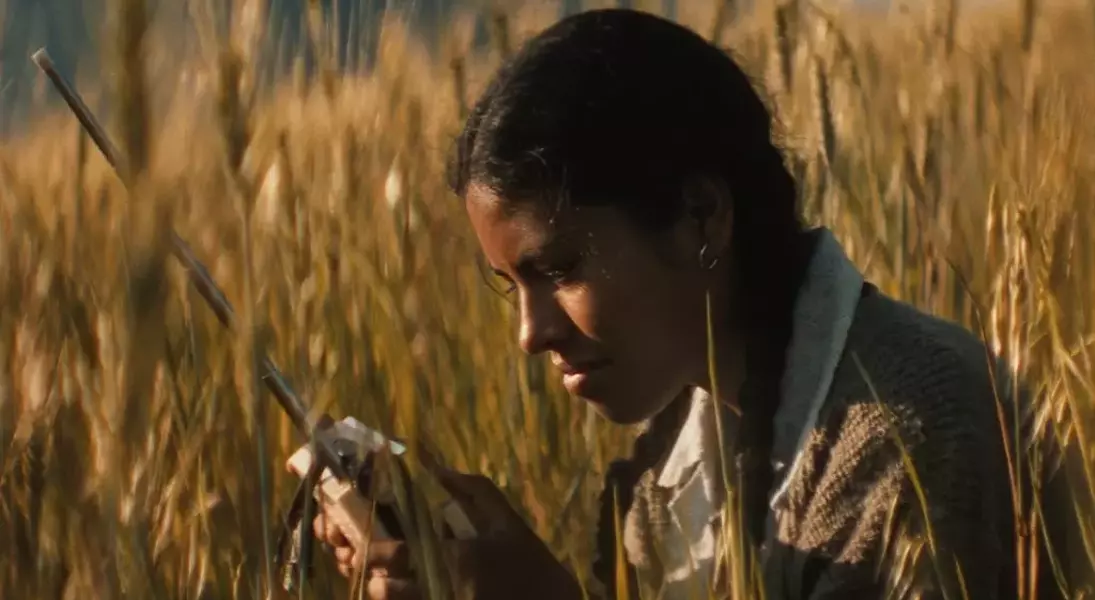
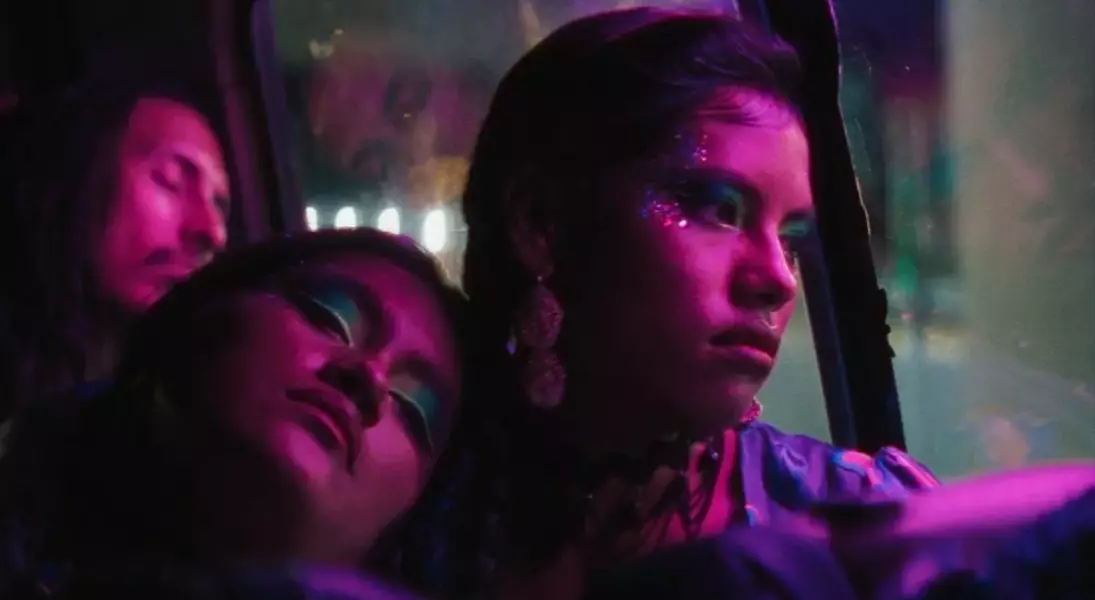
The recently released trailer for \"The Condor Daughter\" offers a captivating preview of this Bolivian identity drama, which garnered considerable attention at its Toronto Festival premiere. The film, under the direction of Álvaro Olmos Torrico, intricately weaves the story of Clara, a 16-year-old from the Totorani Quechua community. Living in the high Andes and assisting her midwife mother, Ana, Clara's world is a delicate balance of ancestral customs and the emerging sounds of chincha music from the nearby city. The trailer showcases pivotal moments, from Clara's traditional songs invoking Pachamama for safe births, to her friend's tales of city life, and ultimately, Clara's decision to pursue a career as a chincha singer, leaving her village behind. This departure prompts Ana to follow, convinced that Clara's absence has brought a curse upon their community, manifesting in dying animals and failing crops. This dramatic tension forms the core of a coming-of-age narrative deeply rooted in its striking, authentic setting.
As Clara navigates the chasm between her passion for music and her deep-seated cultural and familial ties, the film explores the universal conflict of personal aspirations versus traditional responsibilities. Her journey also subtly highlights the decline of traditional midwifery as modern medical facilities draw away villagers, leaving communities depopulated. The cinematography, as revealed in the trailer, is a character in itself, masterfully capturing the vastness of the Andean valleys, the intimate glow of Clara's home, and the distant, almost alien, lights of Cochabamba as seen through Ana's eyes. This visual storytelling, coupled with the emotional depth of the narrative, promises a profound cinematic experience that transcends geographical boundaries, making \"The Condor Daughter\" a compelling work that resonates with audiences worldwide.
Bridging Tradition and Modernity: The Film's Core Themes
At its heart, \"The Condor Daughter\" explores the intricate and often challenging convergence of ancient traditions with the encroaching forces of modernity, focusing on the cultural identity of the Quechua community in the high Andes. Director Álvaro Olmos Torrico masterfully portrays the essence of indigenous beliefs, where the earth, Pachamama, is revered as a nurturing mother figure, and midwives serve as vital conduits to this spiritual connection. The film delves into the profound link between motherhood, the land, time, and the agricultural cycle within Quechua traditions—a heritage that persists despite numerous adversities. This deep respect for ancestral practices forms the bedrock of Clara's upbringing, setting the stage for her internal struggle as she encounters the influences of the contemporary world. The narrative thoughtfully presents the impact of external elements, such as the chincha music from Cochabamba, on traditional ways of life.
Luis Renart, head of Bendita Film Sales, eloquently summarizes the film's universal appeal, noting its rare blend of tenderness and profound depth that speaks both to its unique setting and to global human desires. He emphasizes the film's intimate portrayal of tradition, the inevitability of change, and the ongoing search for identity. The film's ability to tackle these complex themes through Clara's personal journey—her musical aspirations conflicting with her cultural duties and the changing roles of her community—makes it a powerful and relatable story. Bendita Film Sales' active engagement in securing international distribution underscores the belief that this narrative, while specific to the high Andes, offers a resonant message that can captivate diverse audiences across North America, France, and Spain. The film not only celebrates the richness of Quechua culture but also offers a poignant commentary on the universal human experience of navigating one's heritage in an ever-evolving world.
