The 2026 Porsche Cayenne Turbo Electric represents a significant leap forward in the performance SUV segment, blending raw power with advanced electric vehicle technology. This article delves into an exclusive first-ride experience, offering insights into its astonishing acceleration, dynamic handling, and sophisticated interior, alongside a look at its cutting-edge manufacturing process in Slovakia.
Electrifying Power, Uncompromised Luxury: The Future of the Cayenne Has Arrived
Unleashing Unprecedented Power: The Electrifying Performance of the New Cayenne Turbo
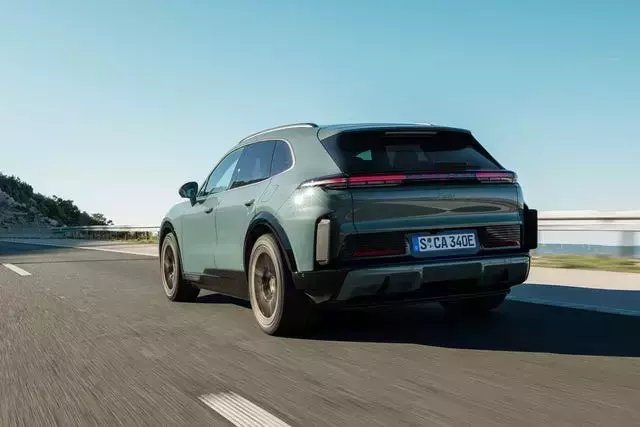
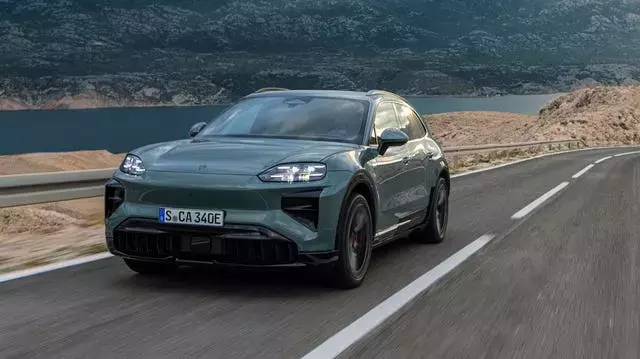
The 2026 Porsche Cayenne Turbo Electric shatters expectations with its formidable V-8-like roar and mind-bending acceleration. Boasting an astounding 1140 horsepower, this all-electric marvel can sprint from 0 to 60 mph in under three seconds, a feat previously unimaginable for an SUV. Porsche's commitment to pushing performance boundaries is evident, even before the production model's official release.
First Impressions on the Test Track: A Thrilling Ride in Bratislava
While the full production model is still under wraps, an early test drive at the sprawling VW Group facility in Bratislava, Slovakia, offered a glimpse into the Cayenne EV's capabilities. Navigating banked corners at nearly 100 mph, the vehicle showcased astonishing lateral grip despite its considerable weight. The subsequent acceleration on the straightaway was nothing short of breathtaking, leaving a lasting impression of its epic power.
Beyond the Numbers: Weight, Screens, and Luxurious Comfort
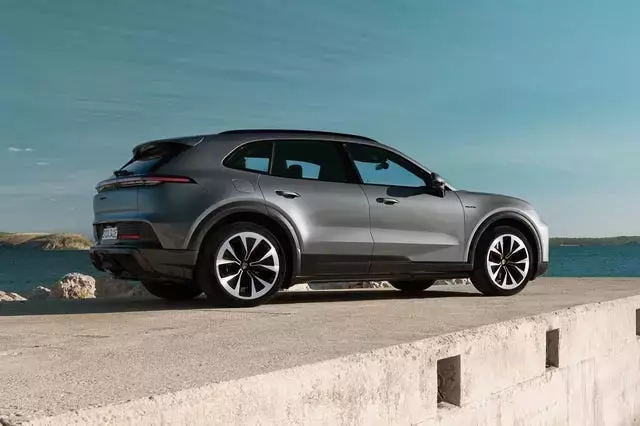
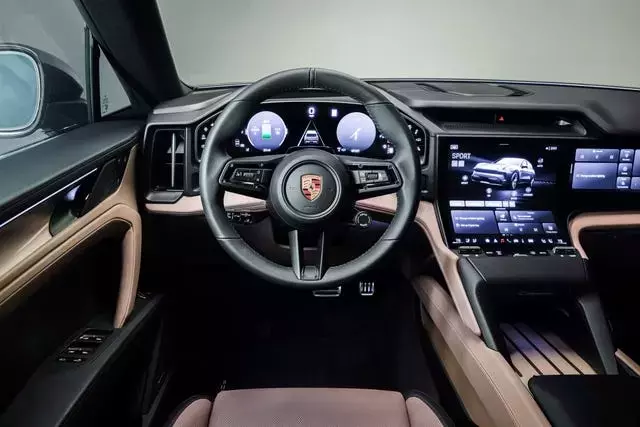
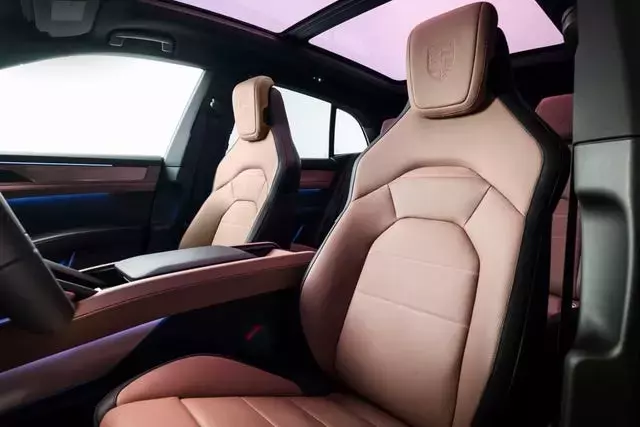
The new Cayenne is defined by impressive figures, including its headline-grabbing power output and the largest screen area ever integrated into a Porsche. Less publicized, but equally striking, is its curb weight, nearing three tons. Despite its heft, the electric Cayenne transcends the typical SUV feel, exhibiting a sleek, high-performance wagon aesthetic with its low roofline and optional 22-inch wheels. Inside, the cabin is remarkably serene, adorned with numerous screens and exuding a premium ambiance. The newly designed seats offer both comfort and support, complemented by heated surfaces at various touch points throughout the vehicle. For those who appreciate an auditory experience, two artificial sound options are available: a deep, sci-fi hum in Sport mode, and a more familiar V-8 rumble in Sport Plus, providing an engaging, albeit potentially repetitive, sonic backdrop.
The Innovation Hub: Porsche's Battery Module Production Plant
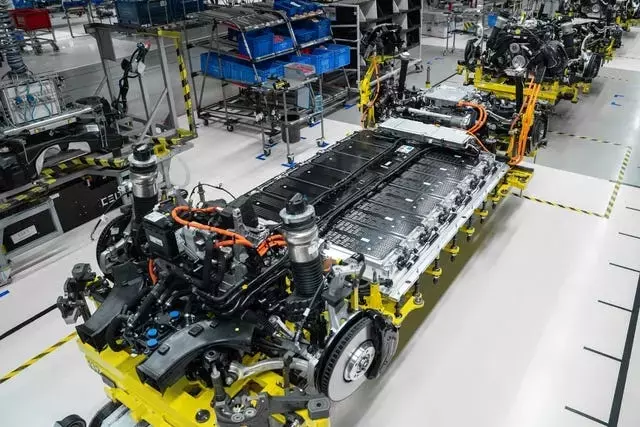
A visit to Porsche's new battery module production plant in Horná Streda, a pristine and highly automated facility, revealed the intricate process behind the Cayenne EV's power source. Here, pouch-type cells are meticulously assembled into finished battery packs, each comprising six cross-mounted modules with delicate cooling layers. This advanced manufacturing ensures the precision and quality expected from a Porsche.
Seamless Integration: Production at the Bratislava Manufacturing Plant
The completed battery packs are then transported to the expansive VW manufacturing plant in Bratislava, a hub of automotive production since 1992. This colossal site currently produces eight different vehicles, including the Audi Q7, VW Touareg, and the existing Porsche Cayenne. With a recent investment of $1.4 billion, the plant showcases remarkable adaptability. Both third- and fourth-generation Cayenne models, including internal combustion, hybrid, and electric variants, are manufactured under the same roof, even on the same assembly line. This flexible approach allows Porsche to respond dynamically to market demands.
Future Outlook: Adapting to Market Dynamics and Production Scaling
Porsche is currently escalating production of the new Cayenne in a state-of-the-art facility featuring menacingly efficient robots that construct the skateboard chassis. These chassis are then seamlessly transported via a covered line to the main body shop, where they evolve into recognizable Cayenne monocoques. Crucially, the chassis for the outgoing model are also built in the same facility, ensuring continued production of internal combustion, hybrid, and EV versions for years to come. Approximately 180 standard Cayennes, 120 Cayenne Coupes, and currently 12 new electric versions are completed daily. Porsche anticipates a significant shift in these ratios as the new electric variant gains traction in the market. The volume of high-tech electric chassis descending from above, or the continued prevalence of third-generation models, will ultimately depend on the market's embrace of the Cayenne EV.
