

Apple's latest smartphone release, the iPhone 17, introduces a series of notable enhancements while maintaining a familiar aesthetic for its base model. The device, unveiled alongside the sleeker iPhone Air and more robust iPhone 17 Pro and Pro Max, features significant camera upgrades, including dual 48-megapixel sensors for both main and ultrawide lenses, and an improved 18-megapixel selfie camera with advanced framing capabilities. A key highlight is the display, now expanded to 6.3 inches and supporting a 120Hz refresh rate, bringing a smoother user experience that aligns it with higher-end market competitors. Priced identically to its predecessor at $799, the iPhone 17 offers double the storage at 256GB, making it a more attractive proposition. These improvements, coupled with enhanced battery life, faster MagSafe charging, and the new A19 chipset, position the iPhone 17 as a substantial upgrade despite its visually consistent rear camera design.
The iPhone 17 is presented in a palette of five subtle, pastel colors, deviating from the bolder options found in the Pro series. While its external design, particularly the vertical dual camera setup, echoes the iPhone 16 range, the internal enhancements mark a clear progression. The expanded display and its elevated refresh rate are particularly noteworthy, addressing a long-standing feature gap for Apple's standard models. The camera system, although visually unchanged, offers a significant leap in resolution for both rear lenses, promising greater versatility and improved image quality. With its enhanced performance, increased storage, and competitive pricing, the iPhone 17 aims to deliver a premium user experience to a broader audience, demonstrating Apple's continued commitment to innovation and value in the competitive smartphone market.
Enhanced Visuals and Performance
The latest iteration of Apple's base model smartphone, the iPhone 17, introduces significant upgrades to its display and internal processing, aiming to deliver a more fluid and visually immersive user experience. A standout feature is the expanded 6.3-inch screen, now equipped with a 120Hz refresh rate. This marks a crucial evolution for the standard iPhone, finally incorporating a technology commonly found in many Android devices at various price points. The higher refresh rate translates to noticeably smoother scrolling, more responsive touch interactions, and overall more fluid animations, enhancing daily usage from browsing to gaming. Complementing this visual overhaul is the integration of the advanced A19 chipset, ensuring robust performance across all tasks. Furthermore, the display benefits from increased brightness, reaching a peak outdoor brightness of 3,000 nits, and improved durability with Ceramic Shield 2 protection.
Beyond the display and processor, the iPhone 17 boasts a range of performance enhancements that contribute to its overall appeal. The updated A19 chipset provides a substantial boost in processing power, enabling faster app launches, smoother multitasking, and more efficient handling of demanding applications. Users can also expect a notable improvement in battery longevity, allowing for extended use throughout the day. Additionally, the device supports faster 25W MagSafe charging, reducing the time required to fully power up the device. These under-the-hood improvements collectively contribute to a more seamless and efficient user experience, making the iPhone 17 a more capable and enduring device. The combination of a vibrant, high-refresh-rate display and powerful internal components positions the iPhone 17 as a compelling option for those seeking a premium smartphone experience without opting for the higher-tier Pro models.
Advanced Photography and Design Choices
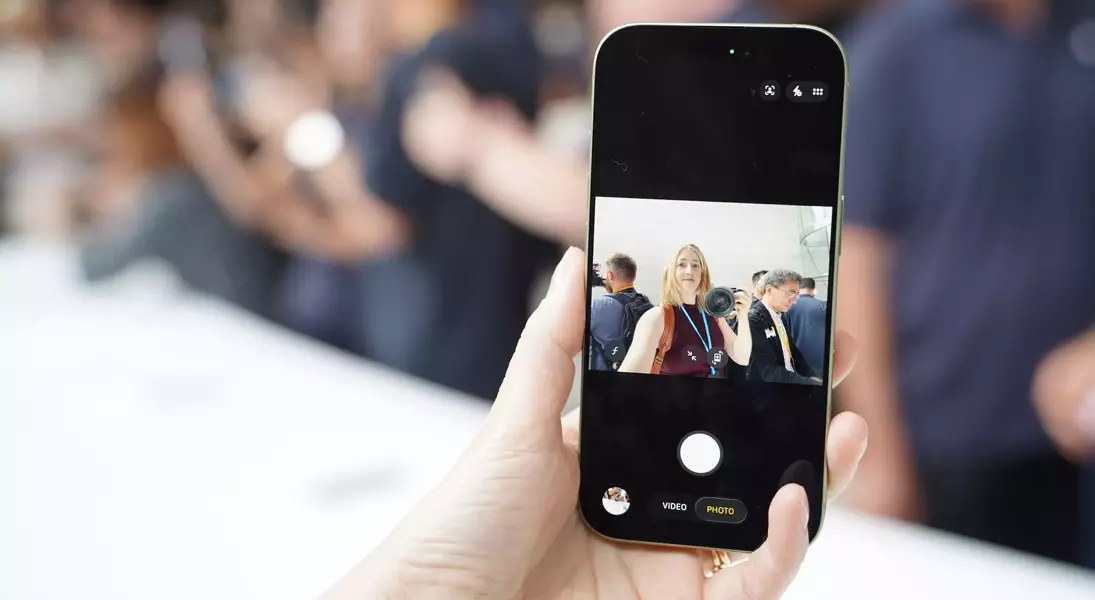
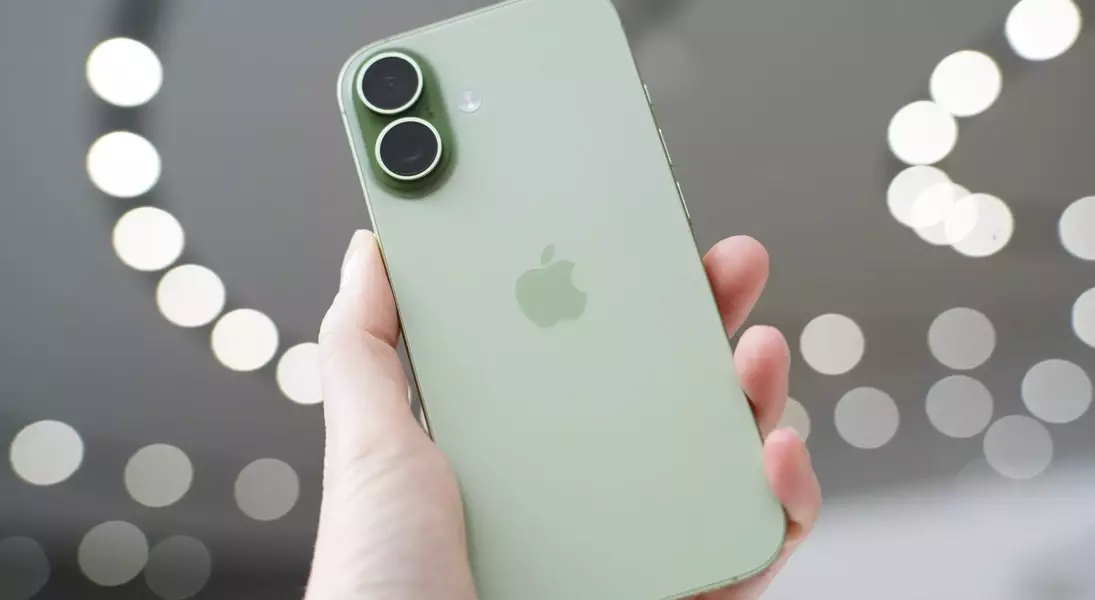
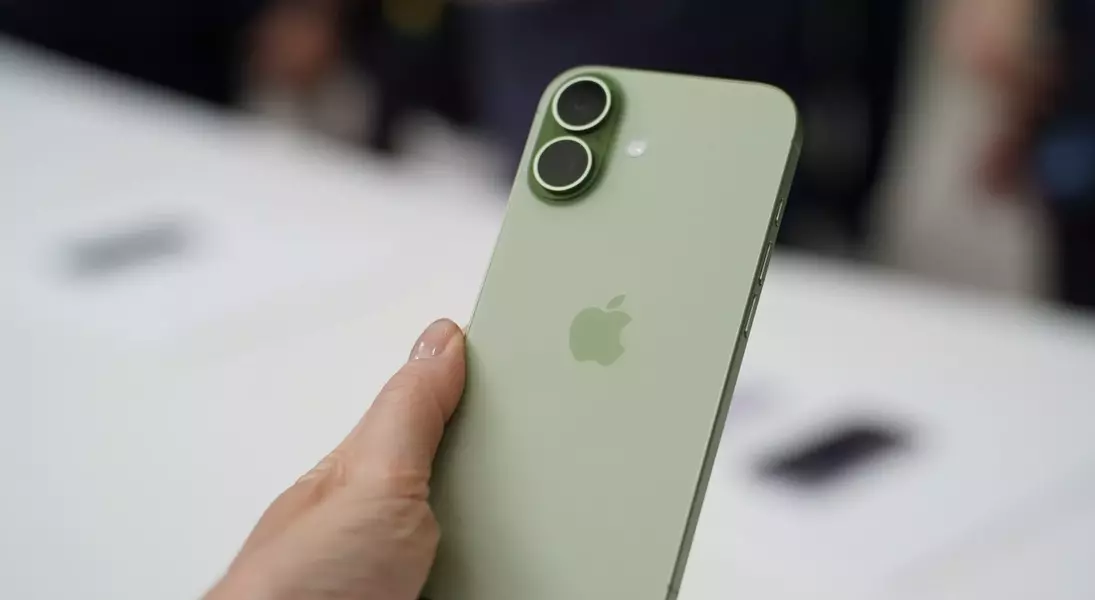
The iPhone 17 introduces significant advancements in its camera system, despite maintaining a design that visually aligns it with its predecessor. A key upgrade is the adoption of 48-megapixel sensors for both the main and ultrawide rear cameras, a substantial leap from the previous 12-megapixel ultrawide sensor. While the physical orientation of the dual lenses remains vertical, distinguishing it from the new horizontal camera "plateaus" seen in the iPhone 17 Pro and Air models, the enhanced resolution promises superior image quality and greater detail. Apple states that the main camera will also function as a 2x telephoto lens, offering increased versatility for capturing subjects at a distance, while the ultrawide lens takes on macro photography duties. The front-facing camera also receives an upgrade to an 18-megapixel sensor, incorporating "Center Stage" technology for automatic framing and orientation adjustments during video calls, greatly enhancing the selfie and video conferencing experience.
In terms of aesthetics, the iPhone 17 offers a selection of five new colors: lavender, mist blue, black, white, and sage. These colors are notably subdued and pastel-toned, providing a sophisticated yet understated look. This choice in color palette means that users seeking a more vibrant and "punchy" finish might need to consider the iPhone 17 Pro, which introduces a bright orange option. Despite the subtle exterior changes, the internal camera improvements mark a significant step forward for the base model. The upgraded sensors provide enhanced clarity and detail, making it a more powerful tool for photography enthusiasts. The continuity in the rear camera design, while potentially perceived as a lack of innovation by some, ensures a recognizable brand aesthetic while integrating advanced photographic capabilities. This strategic balance between familiar design and technological progression defines the iPhone 17's approach to its camera system and overall appearance.
