Choosing a new washing machine can be a daunting task, fraught with complex decisions and significant financial implications. The market is saturated with options, making it challenging to identify the perfect fit for individual or family requirements. This guide aims to demystify the process by providing essential insights into different washing machine categories, smart functionalities, and crucial factors like energy consumption, empowering consumers to select a device that not only meets their laundry demands but also aligns with their lifestyle and budget.
Understanding Washing Machine Types and Features
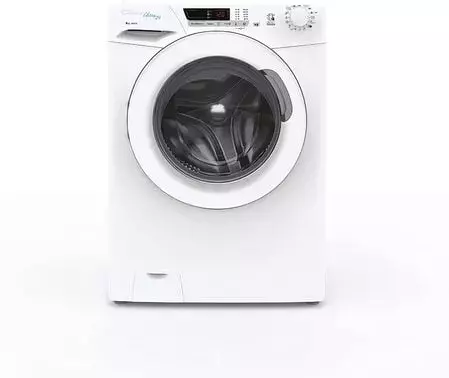
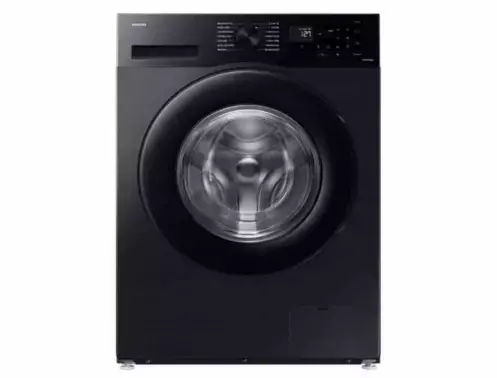
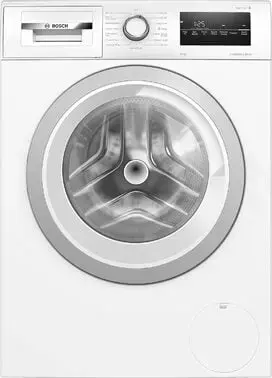
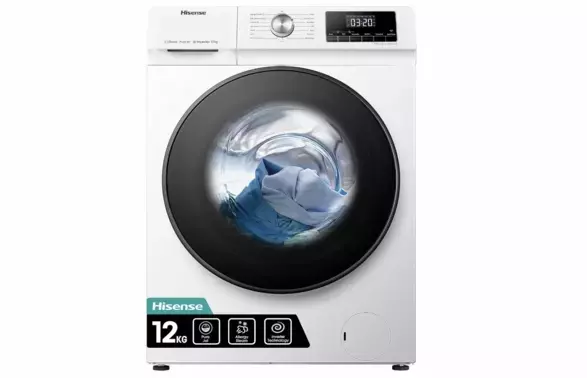
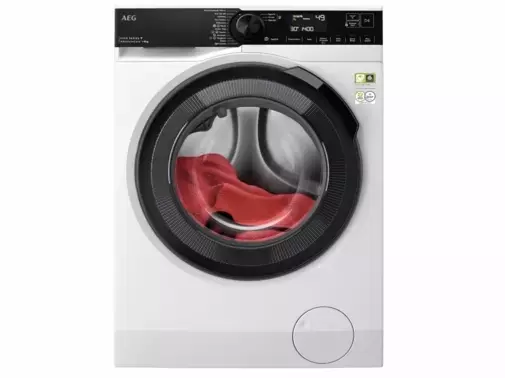
When searching for a new washing machine, understanding the distinctions between available models is crucial. Freestanding washing machines, for example, offer greater flexibility in placement and often boast larger capacities and a wider range of advanced features, including smart home integration. These models are ideal for those who value convenience and connectivity, allowing for remote operation and monitoring through dedicated applications. Smart features can transform the laundry experience, offering functionalities like scheduled cycles, progress tracking, and even troubleshooting assistance, all accessible from a smartphone or other connected device.
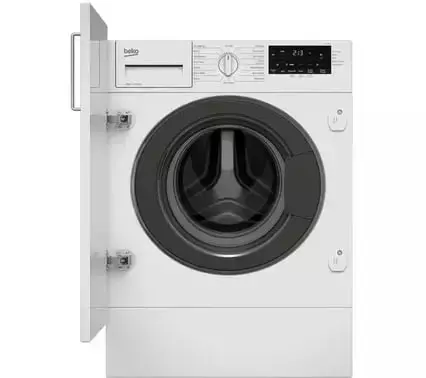
Integrated washing machines, conversely, are designed to blend seamlessly into fitted kitchen environments, concealed behind cupboard doors. While they provide a sleek, uniform aesthetic, they typically offer fewer smart features and might have smaller capacities due to their compact design. These machines are also generally quieter, as their installation within cabinetry helps dampen noise. However, they require professional installation, which can add to the overall cost. The choice between freestanding and integrated models largely depends on personal preference, available space, and the desired level of technological sophistication. Top-loading machines, though less common in some regions, still exist for specific needs, particularly for large loads, but often lack the modern features found in front-loading units.
Efficiency and Specialized Care Considerations
Beyond the basic functionality, modern washing machines offer diverse capabilities tailored to specific user needs. For instance, some models excel in energy efficiency, providing significant savings on utility bills—a vital consideration in today's economic climate. The energy rating of a machine indicates its consumption levels, guiding environmentally conscious consumers toward more sustainable choices. Moreover, specialized features such as advanced stain removal, quick wash cycles, and gentle care programs for delicates are becoming increasingly prevalent, addressing a broad spectrum of laundry challenges. These innovations contribute to better fabric longevity and reduced effort in clothes care.
For households with large laundry volumes, machines with higher load capacities are invaluable, enabling fewer wash cycles and saving time. Conversely, individuals living in quieter environments might prioritize models with advanced noise reduction technology. The evolution of washing machine technology also includes features like steam cleaning for sanitization, and innovative drum designs that protect garments during agitation. Ultimately, the best washing machine is one that aligns with individual laundry habits, space constraints, and budgetary considerations, ensuring an efficient, effective, and convenient washing experience. Prioritizing these aspects will lead to a more satisfactory and lasting appliance investment.
