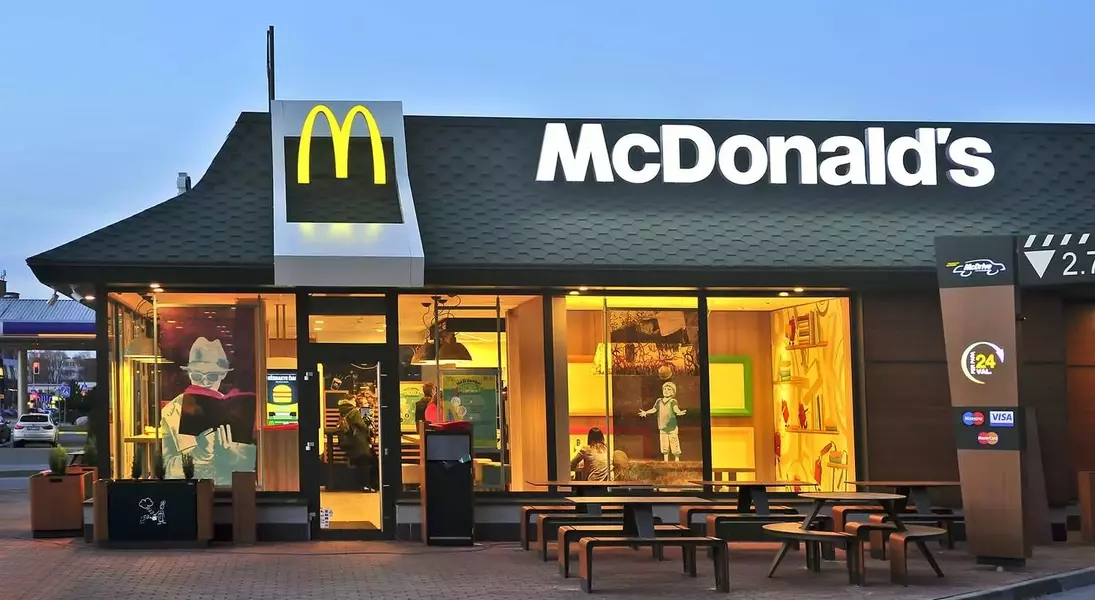
Becoming a McDonald's franchise owner involves a significant financial outlay and adherence to a rigorous operational framework. This detailed guide explores the initial investment required, ongoing expenses, financing avenues, and the overall profitability of owning a McDonald's restaurant.
Unlock the Golden Arches: Your Guide to McDonald's Franchise Ownership
Unveiling the Initial Investment for a McDonald's Franchise
The journey to owning a McDonald's franchise begins with a considerable initial investment, which can fluctuate widely based on whether you choose to acquire an existing restaurant or establish a brand-new one. McDonald's strategically owns a significant portion of the land and buildings where its restaurants operate, often leasing them to franchisees.
Acquiring an Existing McDonald's Franchise: Costs and Considerations
The price tag for an existing McDonald's franchise is determined by factors such as its historical profitability, renovation needs, and sales volume, ranging from approximately $525,000 to over $2.73 million. Prospective owners must possess at least 25% of the purchase price in unborrowed cash, with the remainder potentially financed through external lenders, to be repaid within seven years. McDonald's also mandates a $750,000 personal liquid asset requirement for all potential franchisees. Additional upfront costs include a $45,000 franchise fee, three months' advance rent, remodeling expenses, initial inventory, and miscellaneous opening costs.
The Advantages and Disadvantages of Purchasing an Established McDonald's Location
Opting for an existing franchise offers benefits like established brand recognition, a pre-existing customer base, and a trained workforce. However, it also presents potential challenges such as inheriting a history of underperformance or facing the need for expensive renovations. McDonald's itself does not offer direct financing but has established relationships with various financial institutions that provide lending options.
Establishing a Brand-New McDonald's Franchise: Higher Stakes, Greater Control
For those looking to build a new McDonald's restaurant from the ground up, the investment can reach up to $2,642,000. This path is typically reserved for experienced franchisees. New operators must fund 40% of the total investment with their own capital, while the remaining costs can be financed through McDonald's network of financial partners. The expense breakdown mirrors that of purchasing an existing franchise but at a higher scale, encompassing the franchise fee, rent, equipment, decor, and initial operating funds.
Ongoing Financial Commitments: Sustaining a McDonald's Franchise
Beyond the initial investment, franchisees face recurring expenses. These include a monthly royalty fee of 4% to 5% of gross sales and a base rent or a percentage of monthly gross sales, which can vary significantly. Franchisees also contribute to advertising and marketing campaigns, typically around 4% of gross sales, and may incur costs for technology support and training programs provided by McDonald's. It's estimated that McDonald's retains a substantial portion, about 82%, of the revenue generated by its franchisees annually.
Securing Capital: Financing Your McDonald's Dream
While McDonald's does not directly provide loans, it has established partnerships with several banks that offer financing solutions. Franchisees might need to borrow funds for various purposes, including the initial acquisition, advance rent payments, remodeling, equipment purchases, and other startup costs. A crucial requirement is the ability to make a down payment of 25% for an existing franchise or 40% for a new location from non-borrowed resources.
Evaluating the Investment: Is a McDonald's Franchise a Rewarding Endeavor?
Owning a McDonald's franchise is a demanding venture, both financially and operationally. With a median annual sales figure of $3.838 million per location, the estimated earnings before interest, taxes, depreciation, and amortization (EBITDA) for hands-on franchisees is around $460,000. However, the actual take-home pay is less, implying a considerable period to recoup the initial investment. The company's global presence and established brand make it a formidable and well-positioned franchise, known for its affordable fast food. Successfully navigating the high entry costs and strictly adhering to the "McDonald's Way" are critical for long-term profit potential.
