
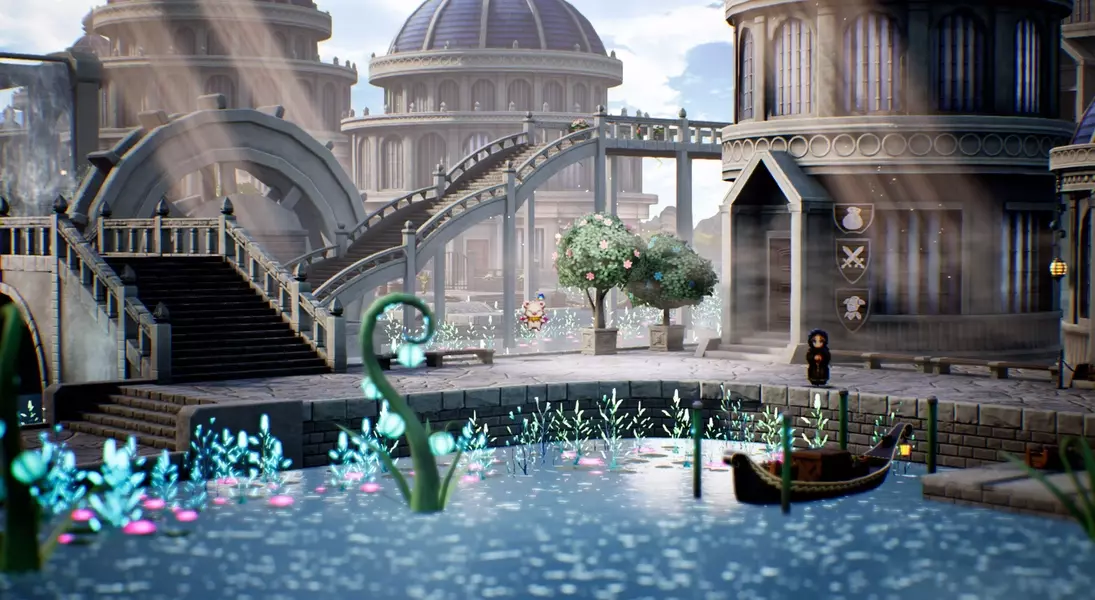
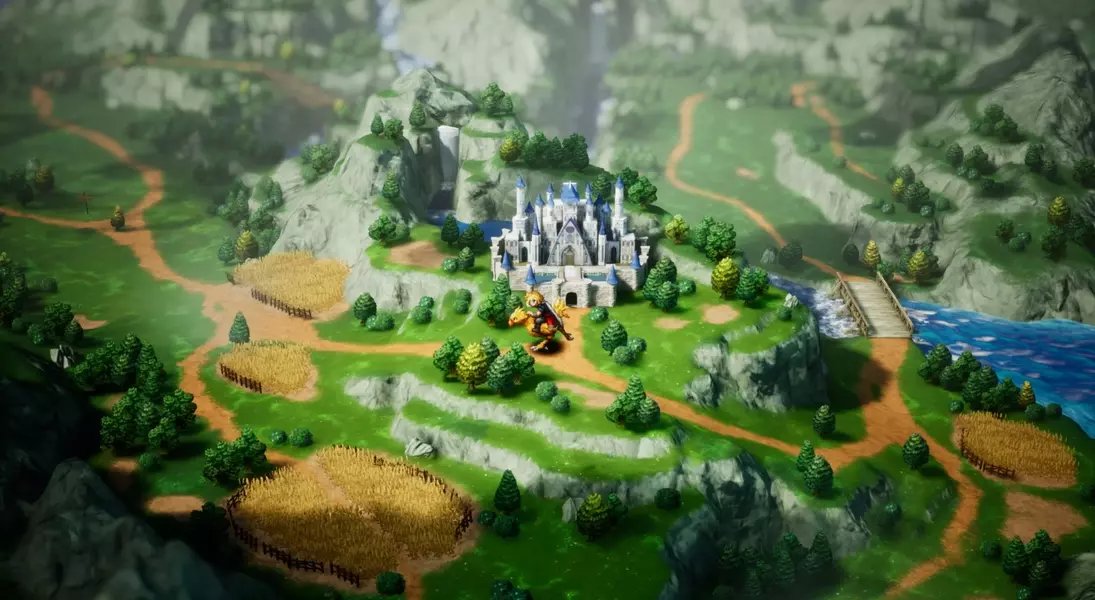
Final Fantasy Resonance emerges as a fresh entry in the revered RPG series, born from the foundations of the mobile game Final Fantasy Brave Exvius. This title, a collaborative effort between Square Enix and Lancarse, aims to captivate long-time fans by distilling the essence of its predecessors while shedding the polarizing gacha mechanics. It's a journey into a world abundant with crystals and familiar narratives, crafted to evoke a sense of comfortable nostalgia. However, its profound ties to the series' legacy and its mobile origins present a unique challenge, prompting a closer look at whether it truly carves its own niche or remains primarily a tribute.
Embark on a Journey Through Familiar Echoes
The Enduring Legacy of Crystals in Narrative
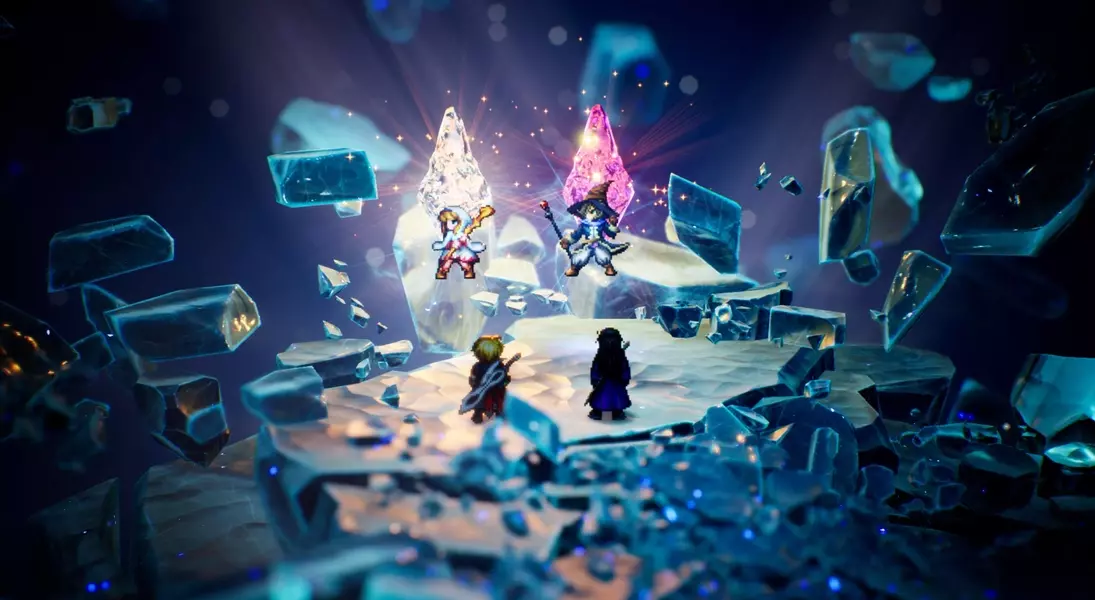
At its heart, the Final Fantasy series has always found its core identity in specific elements, a sentiment echoed by its creator, Hironobu Sakaguchi, who whimsically pointed to 'a blue window with text.' Yet, for many, the true defining characteristic has been the ubiquitous presence of powerful crystals. In this regard, Final Fantasy Resonance stands as a quintessential representation, immersing players in a world where these mystical artifacts are not just scenery but central to the unfolding drama.
From Mobile Roots to Console Realities: Resonance's Evolution
Resonance is a clear tribute to the vast Final Fantasy universe, drawing heavily from its predecessor, the now-defunct mobile game Final Fantasy Brave Exvius. Much like Octopath Traveler 0 before it, Resonance seeks to offer a more focused, console-oriented experience by excising the often criticized gacha elements. This shift aims to provide a cleaner, more direct engagement with the narrative and gameplay, moving away from monetization strategies that once defined its mobile counterpart.
The Double-Edged Sword of Nostalgia
While the game skillfully removes the predatory gacha mechanics, its deep reliance on nostalgia creates a different kind of challenge. Players, including those intimately familiar with Brave Exvius, may find themselves constantly comparing Resonance to the series' rich history. This comparison can be a disservice, as the game struggles to assert its own identity against the backdrop of more innovative modern RPGs, revealing inherent limitations of its original design.
Echoes of the Past: Resonance's Familiar Storytelling
The narrative of Resonance opens with a classic Final Fantasy premise: a looming evil threatens the world's vital magical crystals, compelling a diverse group of heroes to embark on a quest. The story, though featuring new characters like the protagonist Rain, intentionally reuses many established genre conventions. From the trope of two knights commanding an airship, reminiscent of Final Fantasy IV, to an amnesiac girl with extraordinary abilities, mirroring Final Fantasy VI, the game deliberately invokes memories of past adventures.
Embracing Tropes for Emotional Comfort
The game's narrative strategy of employing familiar tropes, while potentially seen as unoriginal, successfully creates a comforting and predictable experience. This approach, inherited from Brave Exvius, prioritizes player retention over narrative risks, resulting in a story that, while lacking dramatic highs and lows, offers moments of genuine emotional impact. A notable example is a priestess character who navigates her duties while yearning for personal freedom, providing a poignant parallel to beloved characters like Aerith and Yuna.
Combat Dynamics: Tradition Meets Modernity
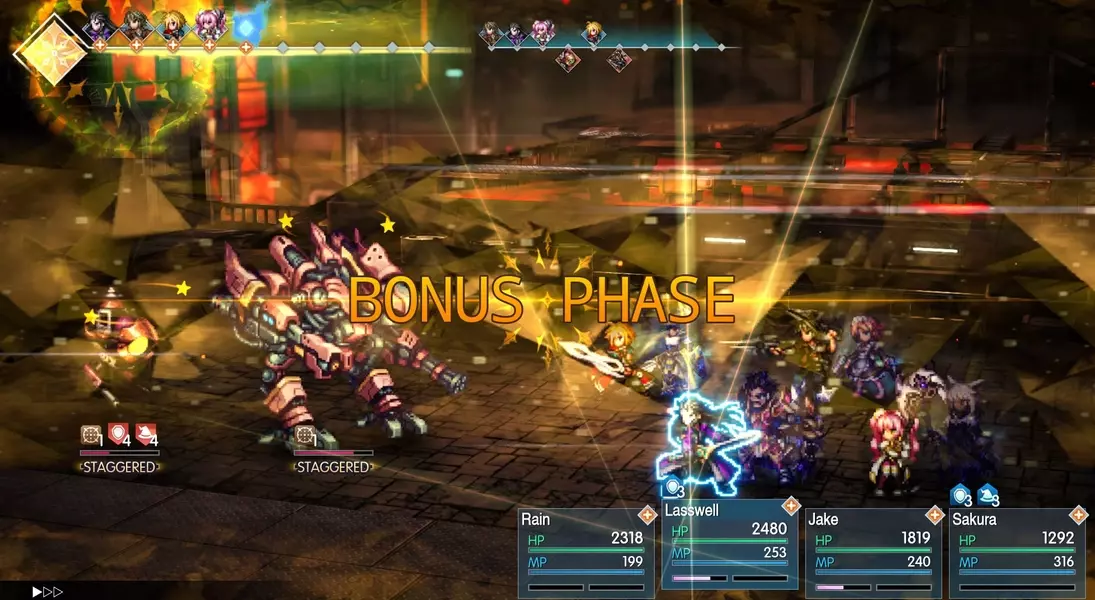
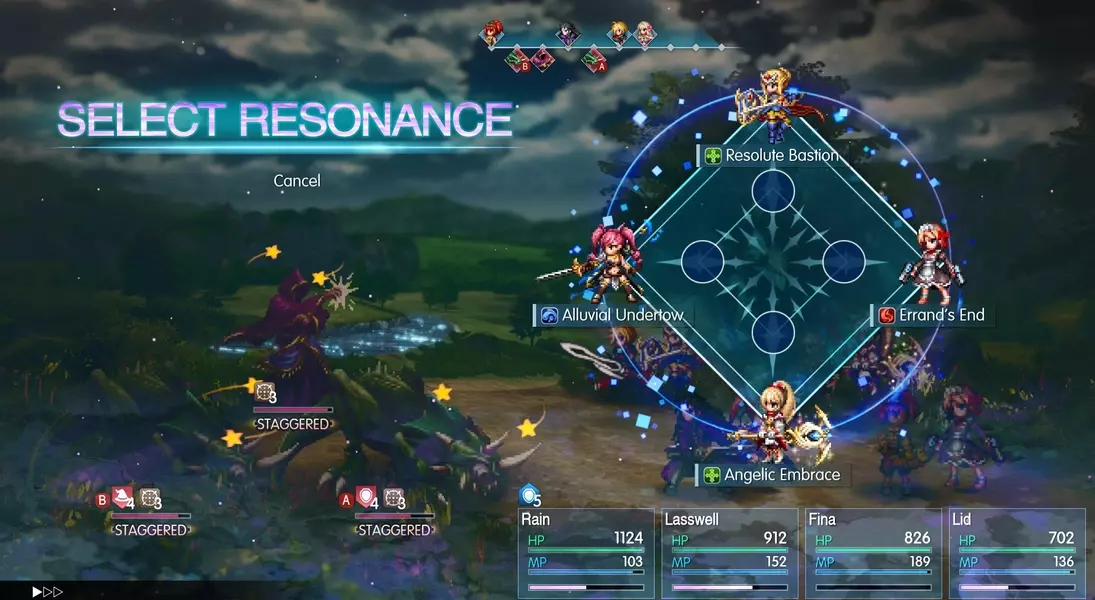
Resonance's combat system, though turn-based, deviates from the series' iconic Active Time Battle (ATB) system, instead focusing on turn order and exploiting elemental weaknesses to stun foes—a mechanic reminiscent of Final Fantasy XIII. While this system offers sufficient engagement, it lacks the innovative depth seen in titles like Octopath Traveler's boost-break system. The transition from mobile also means the loss of touch-based chaining mechanics, which were a highlight of Brave Exvius, making console combat feel less dynamic.
Showcasing HD-2D and Summoning Espers
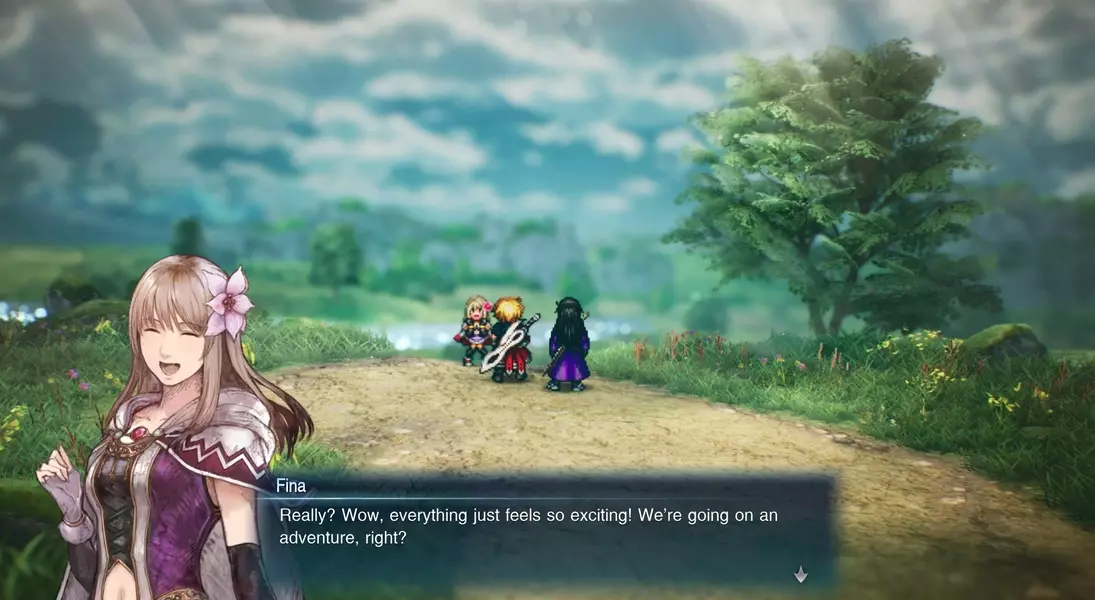
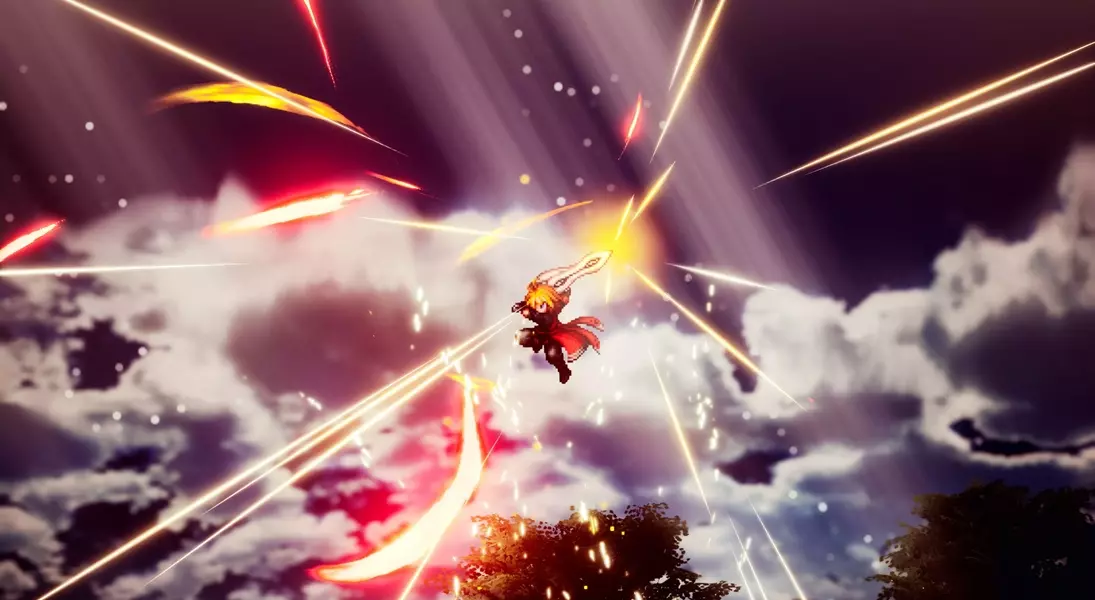
The game incorporates signature Final Fantasy combat elements, such as Limit Breaks, which allow characters to unleash powerful attacks, serving as a vibrant showcase for Square Enix's HD-2D engine. Fina, the party's sole summoner, can call upon Espers, adding a strategic layer to battles and emphasizing her unique role in the story. These elements, while familiar, are presented with a visual fidelity that honors the series' aesthetic heritage.
Visions: A Mixed Blessing of Nostalgia and Mechanics
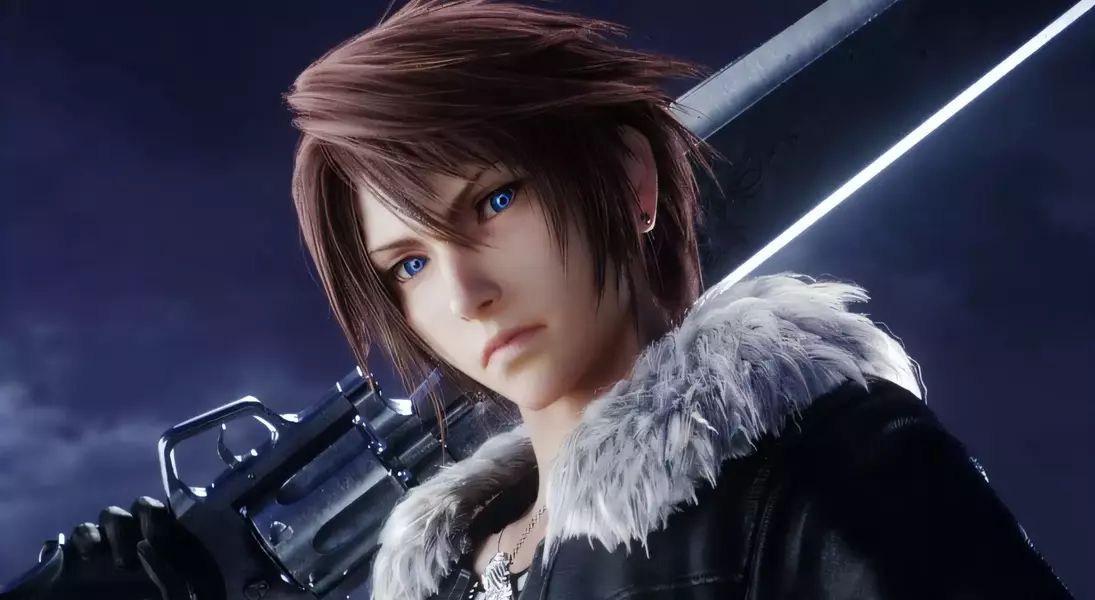
The most heavily promoted feature in Resonance is the Vision system, which allows players to equip iconic characters from previous Final Fantasy games as tag-team partners, granting access to new skills. While some Visions are original to Brave Exvius, players are often drawn to the celebrated figures from the franchise's past. This system, designed to extend the main cast's combat versatility, often serves as a vehicle for nostalgia, encouraging players to collect beloved characters for their visually impressive 3D animated attacks. However, this overemphasis on past glories can detract from the game's ability to stand on its own, leaving the player with a constant reminder of what came before.
Breaking Free from Gacha: A Streamlined Experience
The removal of the gacha system is a significant improvement, freeing players from the need to spend real money on character unlocks and eliminating energy-based progress barriers. This change ensures a smoother, uninterrupted gameplay experience. However, on "Normal" difficulty, the game often feels too easy, with minimal grinding required, which can lead to a less engaging world where secrets and exploration yield fewer significant rewards compared to earlier Final Fantasy titles.
The Quest for Challenge: Esper Hunts and Super Bosses
Despite the generally low difficulty of the main campaign, Resonance does offer enhanced challenges through Esper hunts, which involve tracking and defeating powerful summonable monsters, and endgame super bosses. These encounters provide some of the game's most demanding combat scenarios, aligning with series tradition. While these high-stakes battles offer a deeper strategic experience, they do not fully compensate for the overall lack of difficulty in the core quest, which might leave seasoned RPG players wanting more.
A Commitment to Preservation in Gaming
Square Enix deserves credit for transforming a defunct mobile game into a permanent, playable experience. In an era where game preservation is often overlooked, initiatives like Resonance and Octopath Traveler 0 demonstrate a valuable commitment to giving failed live service titles a second chance. This effort is commendable, ensuring that a piece of gaming history, once fleeting, can endure for future generations of players.
The Broader Implications of Reimagined Mobile Titles
The existence of Resonance highlights a larger trend in Square Enix's strategy: reviving numerous shuttered live service games. While this provides a new life for some, many similar mobile titles may still be lost forever. Resonance, despite its flaws and unoriginality, benefits from the recognizable Final Fantasy name and the acclaimed HD-2D engine, granting it an advantage over other nostalgic, yet more innovative, RPGs. While games like Octopath Traveler and Harvestella offer fresh takes on familiar mechanics and narratives, Resonance's primary appeal often remains its direct connection to the Final Fantasy legacy, inviting players to ponder if it truly stands as an improvement or simply a faithful, albeit limited, recreation.