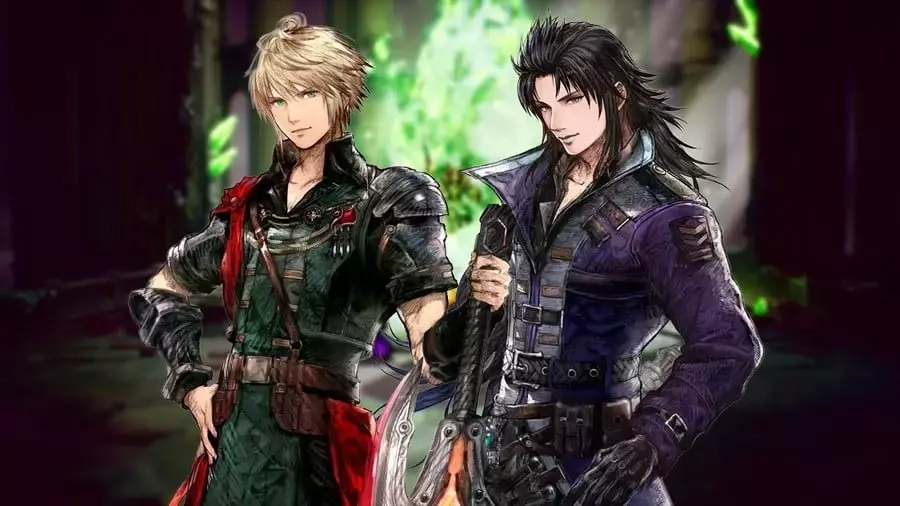
Final Fantasy Resonance ventures into the realm of HD-2D, a visual style that merges pixel art with modern graphical enhancements. This title aims to weave together the familiar charm of past Final Fantasy games with contemporary design elements. The core challenge for Resonance lies in finding a harmonious blend between evoking nostalgia and delivering novel experiences. During an early playtest, the game exhibited a distinct connection to its roots, notably its mobile predecessor, Final Fantasy Brave Exvius, while introducing new protagonists and narrative arcs. The central tension emerges from its reliance on established series tropes versus its potential for innovation.
The game's combat system and overall structure echo traditional Final Fantasy RPGs, emphasizing strategic turn-based mechanics and character progression. While the HD-2D aesthetic is a welcome update, a key question remains whether Resonance can transcend its nostalgic foundations to offer genuinely fresh gameplay or story developments. The inclusion of 'Visions'—iconic characters from the franchise—as combat assists further highlights this balancing act. These elements, while appealing to long-time fans, also raise questions about the game's ability to forge its own distinct identity. Resonance is set to launch on Switch 1 & 2 on October 22nd, inviting players to experience this blend of old and new.
The Evolution of Visuals: HD-2D's Role in Final Fantasy Resonance
The introduction of Final Fantasy Resonance in the HD-2D art style represents a significant visual departure for the main series, blending classic pixel aesthetics with contemporary graphical effects. This visual approach, popularized by titles like Octopath Traveler, imbues the game with a distinctive charm, making old-school character sprites and environments appear vibrant and detailed in a modern context. Early impressions suggest that this aesthetic choice is well-suited for the Final Fantasy universe, successfully evoking a sense of nostalgia while providing a fresh visual experience. The transition to HD-2D highlights Square Enix's ongoing efforts to reinterpret its beloved franchises for new generations, acknowledging the enduring appeal of retro graphics while embracing technological advancements.
Final Fantasy Resonance's adoption of the HD-2D graphical style is a pivotal element in its design, aiming to captivate both seasoned fans and newcomers. This visual presentation meticulously combines pixel-art character models and environments with advanced lighting, depth of field, and particle effects, resulting in a unique and striking aesthetic. The decision to employ HD-2D for a Final Fantasy title, following its successful application in other Square Enix projects, underscores a strategic move to infuse a classic RPG feel with modern production values. This visual fusion ensures that while the game maintains a connection to the franchise's heritage, it also stands out with a distinct and appealing look that can draw in a wider audience, all while navigating the delicate balance between honoring tradition and pushing creative boundaries.
Balancing Legacy and Innovation: Gameplay Mechanics and Narrative Challenges
Final Fantasy Resonance faces a critical challenge in balancing its legacy elements with new narrative and gameplay innovations. Drawing inspiration from the mobile game Final Fantasy Brave Exvius, Resonance incorporates familiar tropes like magical crystals and a kingdom in peril, alongside new protagonists, Rain and Lasswell. The game's demo showcased a combat system that feels quintessentially Final Fantasy, with strategic party management and the use of special abilities. However, the reliance on summoning 'Visions'—iconic characters from previous titles—raises questions about whether the game fully empowers its new leads or leans too heavily on established fan favorites. This dynamic creates a dichotomy where the game simultaneously appeals to long-standing fans through nostalgia while attempting to introduce fresh storylines and characters.
The gameplay experience in Final Fantasy Resonance intricately weaves together familiar mechanics with new additions, yet its ultimate success hinges on its ability to transcend mere nostalgia. While the battle system, complete with buffs, attacks, and strategic skill organization, provides a gratifying classic Final Fantasy feel, the incorporation of 'Visions'—summonable iconic characters like Cloud and Terra—introduces a complex layer. These Visions, while offering powerful abilities and equipment-like functions, occasionally disrupt the flow with 3D-rendered cutscenes that contrast sharply with the game's HD-2D aesthetic. This design choice, potentially a remnant of its mobile game origins where unlocking familiar faces was a driving factor, creates a tension between celebrating the past and developing a unique identity for its new protagonists. The true test for Resonance will be whether its original story and characters can stand independently, offering a compelling experience that doesn't solely rely on the pull of its legendary predecessors.
