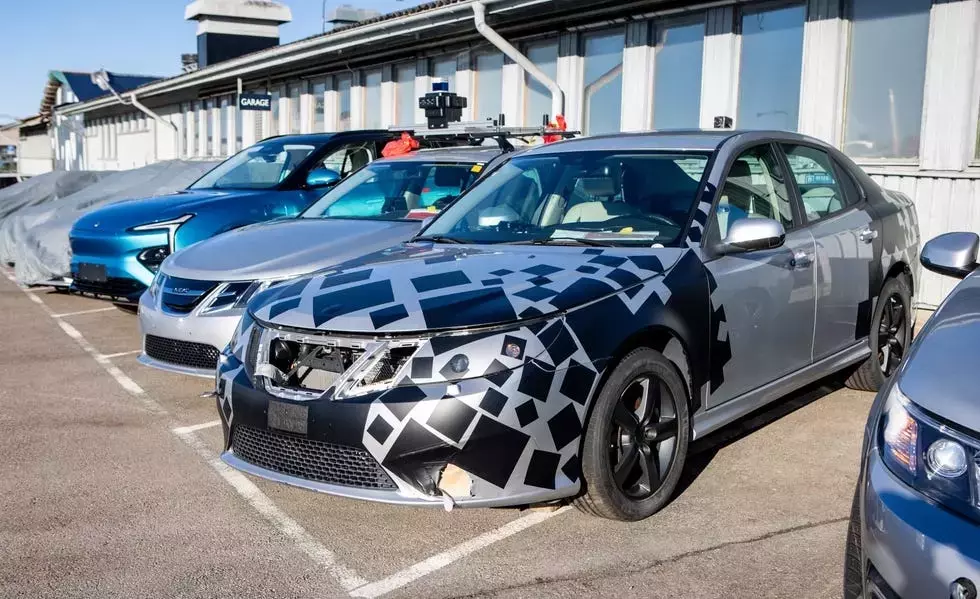
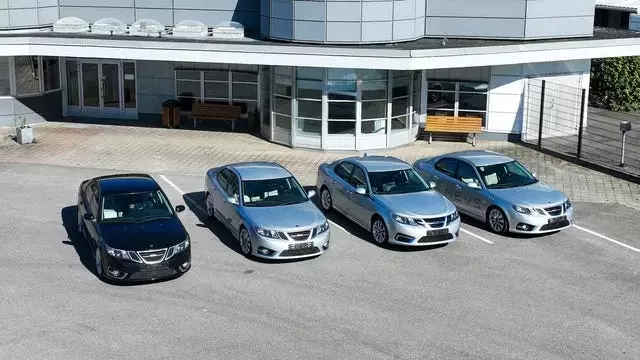
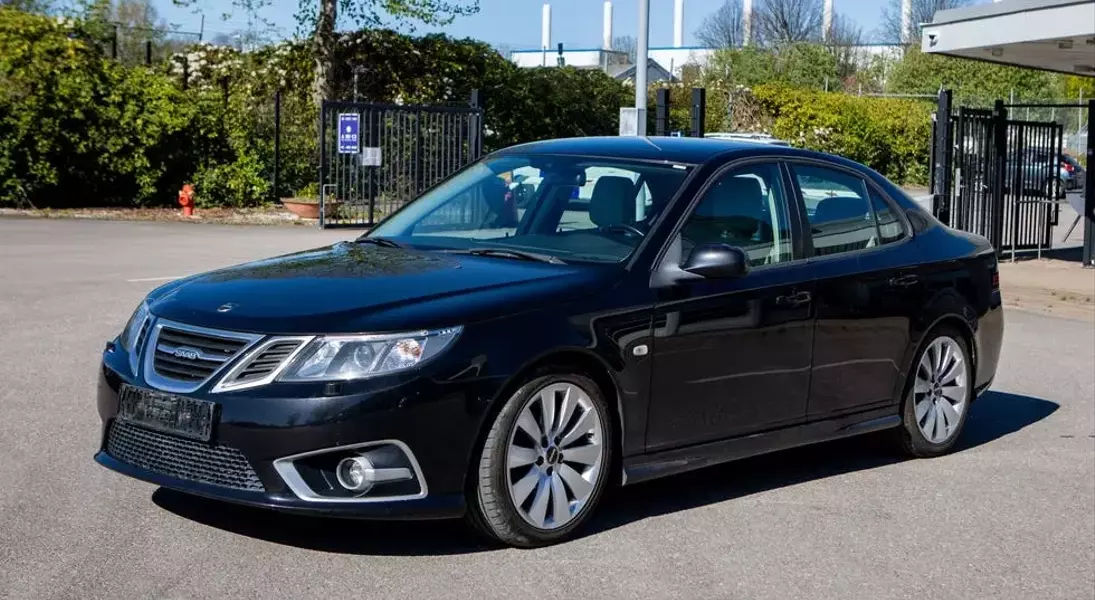
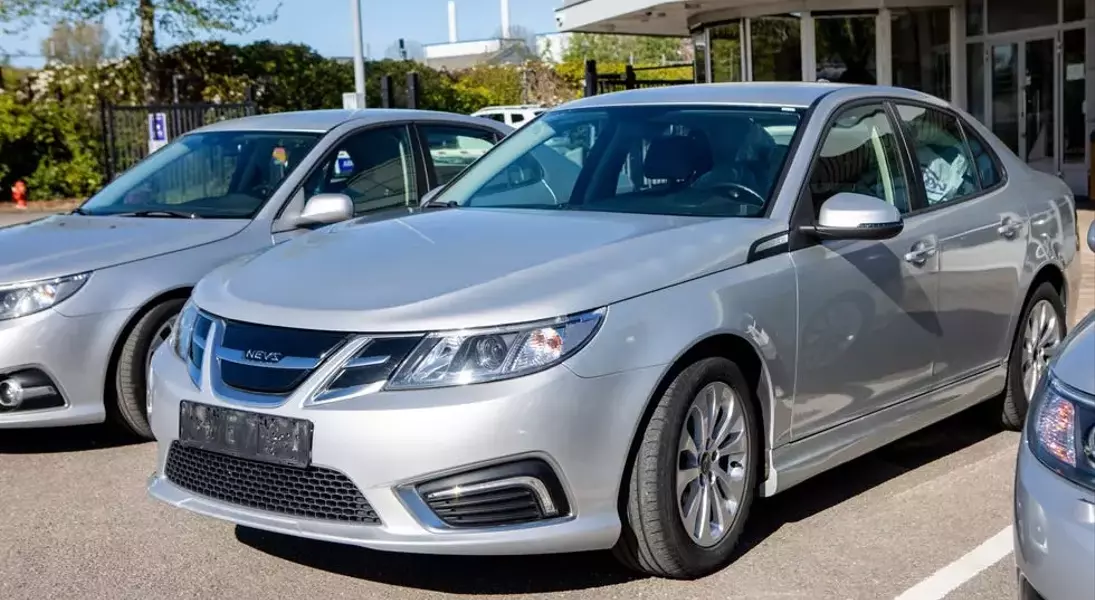
The venerable Trollhättan manufacturing plant in Sweden, which was the birthplace of Saab vehicles for many decades, is now poised for its ultimate closure. This significant event includes an upcoming auction where a collection of rare and historically important vehicles will be offered. Among these are three pre-production Saab 9-3 models and four prototype electric vehicles developed by NEVS, a company that acquired Saab's assets post-bankruptcy. This sale signifies the definitive end of an automotive legend, allowing enthusiasts and collectors a chance to own a piece of its legacy.
Saab, a brand celebrated for its distinctive and innovative automotive designs, has always held a special place in the hearts of car aficionados. Unlike its more pragmatic compatriot, Volvo, Saab consistently delivered vehicles imbued with a unique personality and engaging driving dynamics, often enhanced by its signature turbocharged engines. The cessation of its manufacturing, therefore, evokes a sense of sadness among those who appreciate its unconventional approach to car-making. While the physical showrooms have long been shuttered, the discovery of never-before-registered Saab models and associated prototypes for auction offers an unexpected and thrilling opportunity.
The upcoming auction, which is scheduled to take place in Sweden, features seven distinct vehicles that remained at the now-idle Trollhättan facility. These include three gasoline-powered 9-3 models and four EV prototypes from the NEVS consortium. These vehicles are not merely cars; they are artifacts from Saab's final chapter. The three 9-3s, originally intended for crash testing ahead of a planned 2014 production, have accumulated significant mileage but were never subjected to destructive tests. The NEVS prototypes showcase the brand's foray into electric mobility, with one being a regularly driven test car, another featuring advanced in-wheel electric motors, a third designed for autonomous driving capabilities, and a fourth equipped with a range-extender plug-in hybrid system.
The auction serves as a poignant finale for the Trollhättan factory, whose operations date back to 1947, preceding Saab's first production car by two years. To commemorate this closure, a guided tour of the facility will be offered on May 30, providing a final opportunity for attendees to bid farewell to this historic site. These vehicles embody the final moments of a beloved company and carry immense historical significance. They are, in essence, museum pieces that tell the story of a brand that dared to be different. The unique character that once defined automotive brands, with French cars being quirky, German cars being engineered, and Swedish cars offering an acquired taste, is a trait becoming increasingly rare in today's globalized market.
Despite the end of Saab's production, its legacy continues through the many vehicles still cherished by their owners. Unlike many mass-produced cars, Saabs were often treated with great care and affection, leading to a surprising number still being on the road today. For those yearning for a classic Saab, such as a 900 coupe or a 9-3 Viggen convertible, the used car market remains a vibrant place to find a piece of automotive history. The upcoming auction provides an extraordinary chance for collectors to acquire one of the very last Saabs ever created, or for enthusiasts to simply seek out a vintage Swedish automobile to fill the unique void left by the brand's departure.
