The global football landscape is currently witnessing a significant power struggle, as Sergio Marchi, the newly appointed president of FIFPro, the international players' union, has launched a scathing critique against FIFA and its chief, Gianni Infantino. Marchi asserts that FIFA's leadership prioritizes grand spectacles over the fundamental well-being and rights of the players who are the very essence of the sport. His bold stance underscores a growing discontent within the football community regarding player exploitation, economic disparities, and a perceived authoritarian approach by the sport's global governing body. Marchi's commitment to advocating for players worldwide, particularly those facing dire conditions and systemic neglect, marks a pivotal moment in the ongoing discourse surrounding governance and player welfare in professional football.
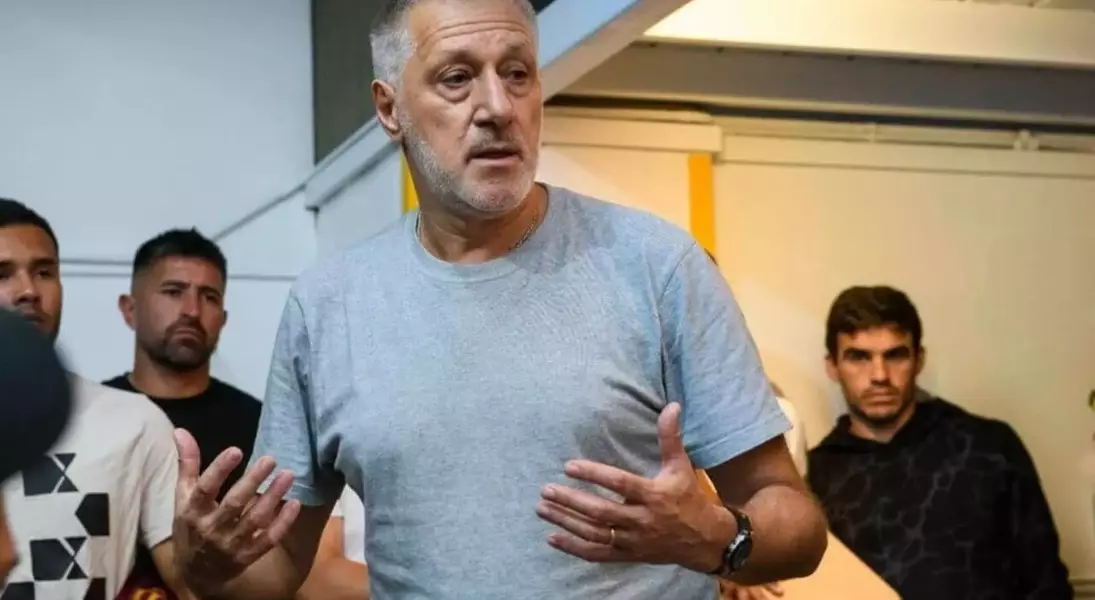
In a recent candid interview, Marchi articulated his profound dissatisfaction with Infantino's governance, characterizing it as an autocratic regime disconnected from the realities faced by professional footballers. He highlighted that Infantino's focus on high-profile events, such as the expanded Club World Cup, comes at the expense of addressing critical player issues like excessive match schedules, inadequate rest periods, and hazardous playing conditions. Marchi, drawing from his extensive experience as a former player and a veteran leader in the Argentine players' union, emphasized his unwavering commitment to justice and his refusal to be silenced, despite advice to the contrary. His personal history, marked by activism during Argentina's dictatorship, reinforces his resolve to confront power and advocate for the vulnerable.
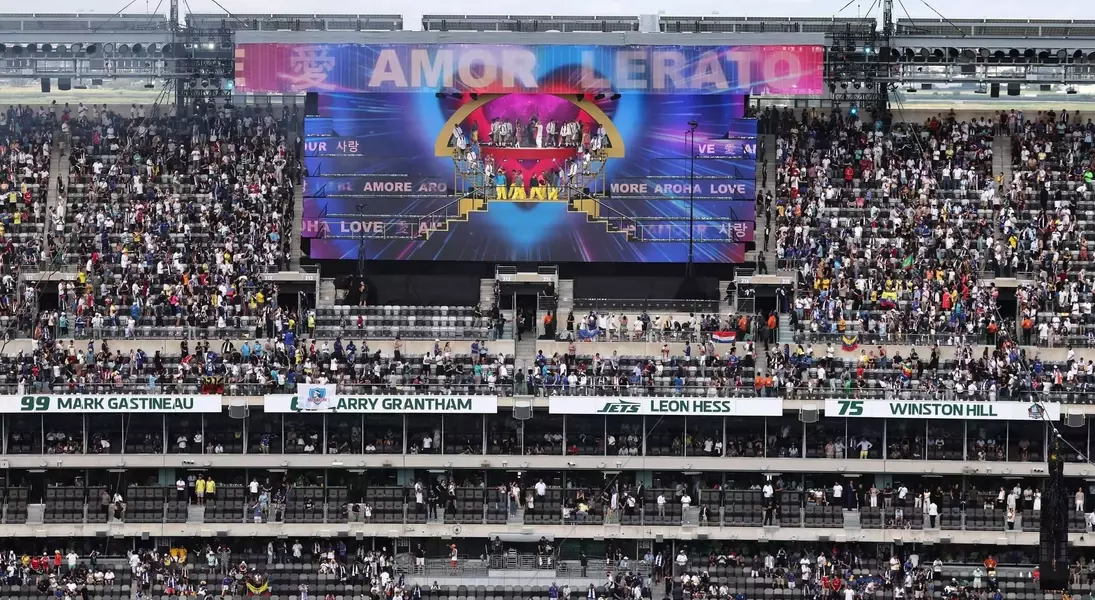
Marchi's criticism extends beyond the lack of player consultation to tangible concerns, such as FIFA's decision to stage matches in extreme heat during the recent Club World Cup in the United States. He condemned such practices as "perverse," questioning the disregard for player health and safety. Furthermore, Marchi passionately pointed out the stark financial inequities within the sport, where FIFA boasts billions in revenue from mega-tournaments, yet countless players globally remain unpaid for months or even years. This imbalance, he argues, reflects a profound injustice that undermines the integrity of football. Marchi's call for transparency and accountability from FIFA resonates with a broader demand for equitable treatment and genuine representation for all professional footballers.
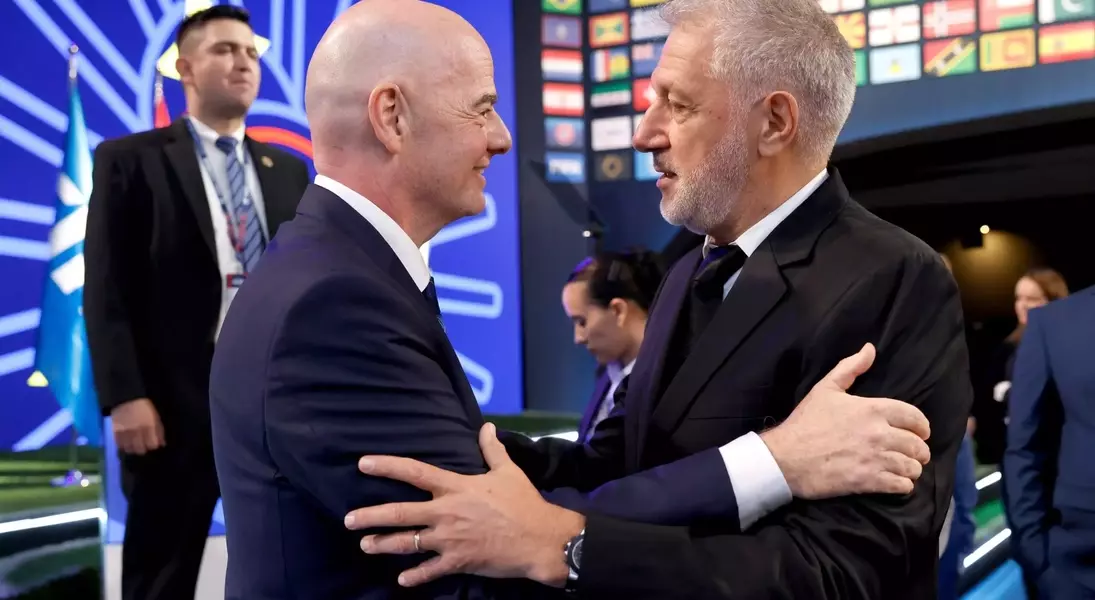
The FIFPro president also voiced concerns about the logistical demands placed on players by FIFA's expanding tournament formats, citing the upcoming 2026 World Cup as an example. The vast distances and varied climatic conditions players will encounter across North America raise serious questions about player fatigue and injury risk. Marchi's attempts to engage directly with FIFA leadership on these critical issues have, according to him, been met with empty promises and a lack of substantive action. He challenges Infantino to confront the harsh realities of football in less glamorous regions, where basic facilities are often nonexistent and player exploitation is rampant, rather than solely focusing on grand, profitable spectacles. Marchi believes that true leadership involves acknowledging and rectifying these systemic failings.
Ultimately, Marchi's message is a powerful reminder that football, at its core, belongs to the players and the fans, not to any single administrator or organization. He firmly believes that the sport's ruling body has a moral obligation to protect its most valuable assets: the athletes. His insistence on open dialogue and genuine collaboration between FIFA and player representatives signifies a crucial step towards fostering a more just and sustainable future for professional football. Marchi's defiance against the established order is a clear indication that the fight for player rights and welfare will continue, pushing for a global football ecosystem that truly values and supports its participants.
