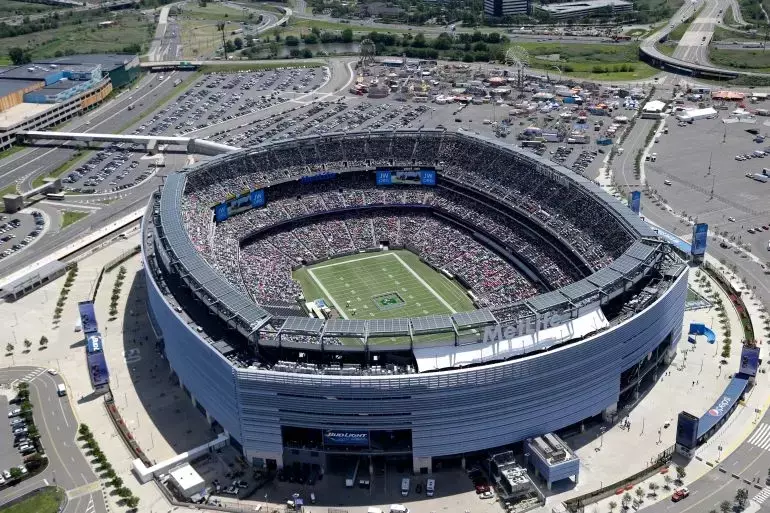
Ahead of the much-anticipated World Cup final on July 19 at MetLife Stadium in East Rutherford, New Jersey, the international football governing body, FIFA, has faced scrutiny over its ticket sales. Despite some reports indicating a sell-out, a substantial quantity of high-value tickets remained accessible, sparking public debate. This situation has led to questions about FIFA's pricing mechanisms and the accessibility of such a prestigious global event for the general public.
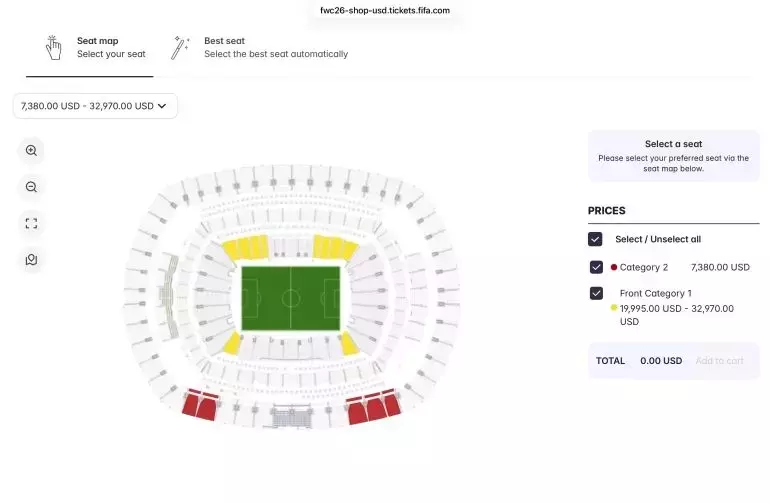
On July 10, 2026, a significant number of Category 2 tickets, specifically 1,178 seats, were made available on FIFA's last-minute sales platform. These tickets, located in various sections of the stadium's upper deck, were individually priced at $7,380. This release followed earlier instances where the event was listed as fully booked. Furthermore, more exclusive seating options were also up for grabs, including 68 Category 1 tickets in the lower deck, with prices ranging from an exorbitant $19,995 to $32,970. For those seeking a premium experience, hospitality packages in the Trophy Lounge and Trophy Lounge+ were offered at $34,500 and $32,500 respectively, encompassing dining and beverage services.
The pricing strategy employed by FIFA has not only been a topic of widespread discussion but has also led to tangible consequences. The organization has been subject to considerable backlash for what critics deem as excessive ticket costs throughout the various sales phases preceding the tournament. This discontent escalated to the point where a fan collective initiated a lawsuit, challenging the inflated prices. Adding to FIFA's woes, the states of New York and New Jersey have issued a subpoena as part of an investigation into the ticket pricing practices and the precision of seating allocations for the World Cup. These legal and public challenges underscore the growing concern over the fairness and transparency of ticket distribution for major global sporting events.
The ongoing controversy extends beyond the final, with tickets for a quarterfinal match between Argentina and Switzerland at Arrowhead Stadium in Kansas City, Missouri, also being sold at elevated prices, ranging from $1,600 to $3,995. Even on FIFA's official resale marketplace, prices for the final soared, reaching figures between $7,440.50 and an astounding $11,499,998.85. Previously, FIFA President Gianni Infantino had lightly dismissed criticism regarding a few tickets listed at $2 million each but consistently defended the high costs. He argued that FIFA was compelled to operate within the legal frameworks of the United States, which permit the resale of tickets far above their initial face value. This complex scenario highlights the tension between the commercial interests of event organizers and the expectations of affordability and equity from fans and regulatory bodies.
The situation surrounding the World Cup final tickets underscores a persistent tension between the commercial imperatives of organizing a global spectacle and the public's desire for accessible and fair pricing. The availability of numerous high-cost tickets, even after previous declarations of a sell-out, combined with ongoing legal challenges and public outcry, reinforces the need for greater transparency and accountability in the ticketing process for major international events.
