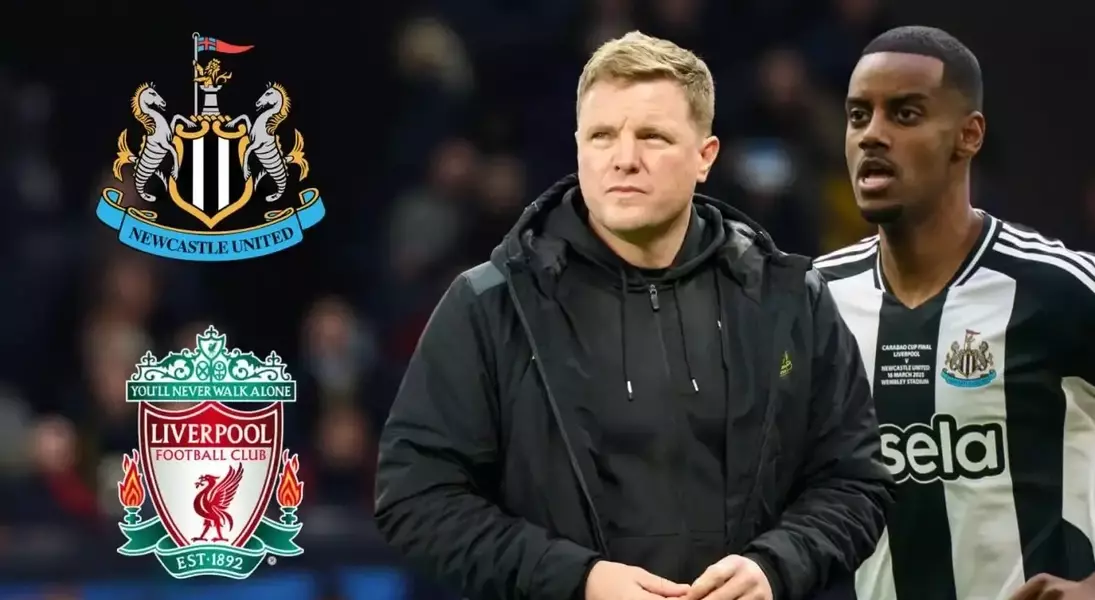
This article explores the heated debate surrounding the recent football match between Newcastle and Liverpool, focusing on the fan reactions and the contentious transfer negotiations for player Alexander Isak. It highlights the frustrations expressed by supporters from both sides, who feel misunderstood and unjustly criticized. The discussion also touches upon the strategic missteps and perceived arrogance within the football community, ultimately reflecting on the broader implications of club management and fan behavior in modern football.
An Intense Clash: Unpacking the Newcastle-Liverpool Rivalry and the Isak Transfer Drama
In a gripping turn of events, the footballing world has been captivated by the escalating tension between two formidable clubs, Newcastle and Liverpool. The focal point of this intense rivalry has been the controversial transfer negotiations surrounding the talented player, Alexander Isak. Fans, pundits, and players alike are embroiled in a passionate debate, dissecting every aspect of this high-stakes encounter and the ensuing market maneuvers.
Supporters of the Liverpool Reds have voiced significant displeasure, feeling unjustly painted as villains by certain media outlets and segments of the Newcastle fanbase. They perceive Newcastle, a club backed by substantial Saudi investment, as attempting to garner undue sympathy. This sentiment is echoed in a powerful exchange of opinions, where Liverpudlian fans express their fatigue with the constant online bickering and the perceived arrogance from certain sections of their own supporter base who demand any player they desire, regardless of existing club commitments. The contentious discussions around Isak, and to a lesser degree, Guehi, expose a deep-seated hypocrisy and entitled attitude that many find truly embarrassing.
From the perspective of long-standing Liverpool adherents, the current predicament faced by Newcastle during this transfer window is eerily familiar. They recall instances like Michael Owen's reluctant departure, Gerrard's transfer request followed by a dramatic reversal, and the exits of star players such as Mascherano, Alonso, Torres, Suarez, and Coutinho. These past experiences have shaped Liverpool into a well-managed club at the pinnacle of football, fostering a sense of humility and a desire for honorable conduct. They argue that Newcastle's struggles are not Liverpool's fault, emphasizing the absence of a robust footballing infrastructure beyond manager Eddie Howe and his immediate circle, a lack of proactive summer planning, and the perplexing tendency of Newcastle's owners to funnel vast sums to direct rivals through prize money or player acquisitions within the domestic league. The current frenzy of Newcastle's last-minute bids for any available striker, they assert, is merely a symptom of the club's internal disarray rather than Liverpool's influence.
Conversely, the Newcastle faithful are accused of succumbing to a narrative that absolves their club of responsibility for its summer misfortunes, instead directing blame towards Liverpool. This perceived gaslighting, critics argue, prevents them from acknowledging the systemic issues within their own club. The recent match between the two clubs further intensified this friction. Allegations have surfaced that Newcastle’s on-field behavior was excessively aggressive, with players frequently resorting to theatrical dives and surrounding the referee, reminiscent of a stage performance rather than a sporting contest. This, coupled with the club's failure to secure top transfer targets and the perceived mismanagement of the Isak situation, has led many to question Newcastle’s path to becoming a footballing superpower.
The £110 million bid from Liverpool for Isak, deemed "derisory" by some, is defended as a standard business negotiation. Critics point out the staggering hypocrisy: Newcastle themselves have engaged in similar negotiations, yet react with outrage when on the receiving end. The outcome of the recent match, a victory for Liverpool, highlighted the stark contrast in approaches. While Newcastle’s aggressive tactics resulted in suspensions and injuries, Liverpool’s resilience and composure, even with a young squad, shone through, culminating in a dramatic late winner. This disparity, many believe, underscores a fundamental difference in club ethos.
Beyond the Isak saga, the broader implications for both clubs are significant. For Newcastle, the path to elite status requires more than just financial power; it demands strategic planning, disciplined play, and fair negotiation. For Liverpool, despite early season vulnerabilities, their ability to secure wins demonstrates a formidable winning mentality. The season is still in its nascent stages, and as history shows, early leads often do not dictate the final outcome. The true test for all clubs, including the self-proclaimed "sleeping giants" like Manchester United and City, will be determined by who is lifting trophies in May.
Reflections on Modern Football: Beyond the Scoreline
This escalating narrative between two prominent football clubs transcends mere sporting rivalry; it mirrors broader societal dynamics where perception often trumps reality. The Isak transfer saga, in particular, acts as a microcosm of contemporary football's commercialization, where player valuations reach astronomical figures, sometimes overshadowing the spirit of the game itself. It forces us to question the balance between fierce competition and ethical conduct, both on and off the pitch. As fans, our role evolves beyond mere spectatorship into one of critical engagement, challenging unfair narratives and demanding accountability from clubs and media alike. Ultimately, the true measure of success in this beautiful game should not only be defined by trophies or financial might but also by the integrity and sportsmanship displayed by all involved.
