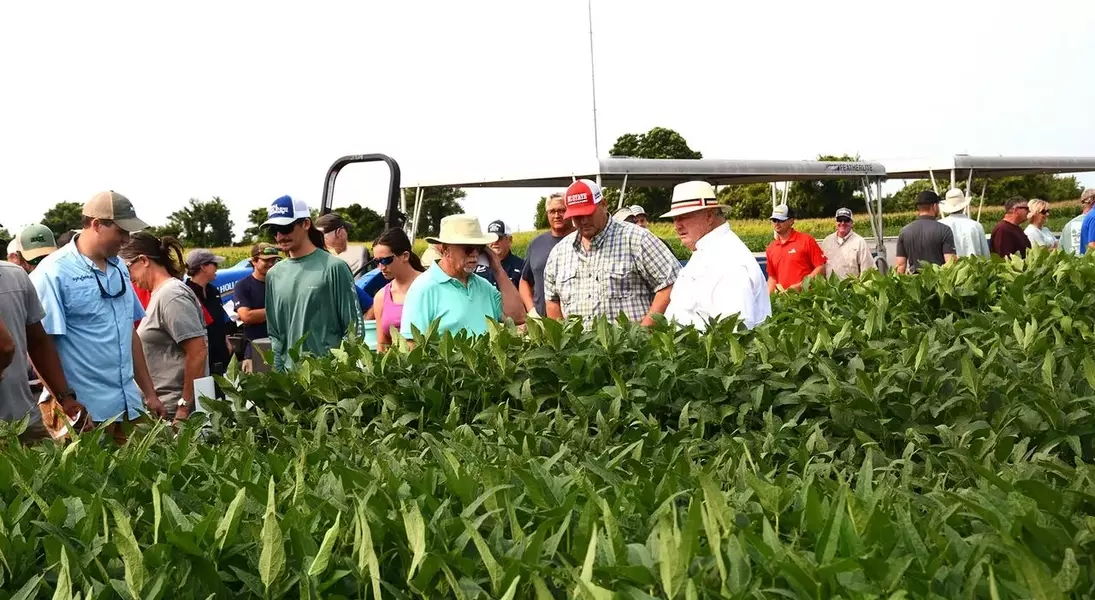
For nearly two centuries, field days have served as essential platforms where agriculturalists gain firsthand insights into the latest research and innovative farming techniques. This enduring practice, tracing its origins to the 19th century, continues to empower farmers by directly connecting them with advancements that can significantly enhance their operational efficiency and profitability. These gatherings are not just about showcasing new developments; they foster a vibrant community where knowledge is shared, connections are forged, and the agricultural landscape is continuously shaped by collaborative learning and adaptation.
The concept of "demonstration agriculture" was pioneered by Seaman A. Knapp, a visionary figure considered the progenitor of the Cooperative Extension system. Born in 1833, Knapp's early life saw him transition from a pastor and school head to an agricultural professor at Iowa State College in 1879, where he established the first demonstration farm. His innovative approach was to bring scientific farming methods directly to farmers, allowing them to observe and implement these techniques on their own land. This hands-on educational model proved highly effective, laying the groundwork for future agricultural outreach programs.
Knapp's dedication to improving farming practices extended beyond Iowa. In the mid-1880s, he relocated to southwestern Louisiana, acquiring 160 acres near Vinton to establish a demonstration farm focused on enhancing rice production. His later work in Texas in the early 1900s addressed critical agricultural challenges, such as combating the boll weevil in cotton fields. He also championed the introduction of alternative crops like corn and peas, demonstrating their potential to diversify and strengthen agricultural economies.
The profound impact of Knapp's work culminated in significant legislative milestones. His early initiatives in Iowa influenced the passage of the Hatch Act of 1887, which provided crucial federal funding for the establishment of agricultural research stations across the country. Furthermore, his broader contributions to demonstration agriculture were instrumental in the enactment of the Smith-Lever Act on May 8, 1914. This landmark legislation officially created the Cooperative Extension Service, institutionalizing the system of agricultural education and outreach that continues to benefit farmers nationwide.
The immense progress witnessed in U.S. agriculture throughout the 20th century is largely attributable to the sustained efforts in research and extension, which consistently deliver practical solutions to farmers. This tradition of innovation and knowledge dissemination is alive and well today, with numerous field days scheduled annually across various regions. For instance, in August and September alone, agricultural communities in the Carolinas and Virginia host multiple events, offering contemporary farmers the same valuable opportunities for learning and improvement that their predecessors experienced.
These modern field days, much like those in Knapp's era, provide invaluable opportunities for farmers to engage with cutting-edge research and adopt best production practices. Beyond the structured presentations and research plot observations, these events serve as vital social hubs. They offer a unique chance for agricultural professionals to network with peers, share experiences, discuss current crop conditions, and simply enjoy camaraderie. The communal aspect, often complemented by catered meals, further enhances the overall experience, reinforcing the strong bonds within the farming community and ensuring a continued legacy of innovation and mutual support.
