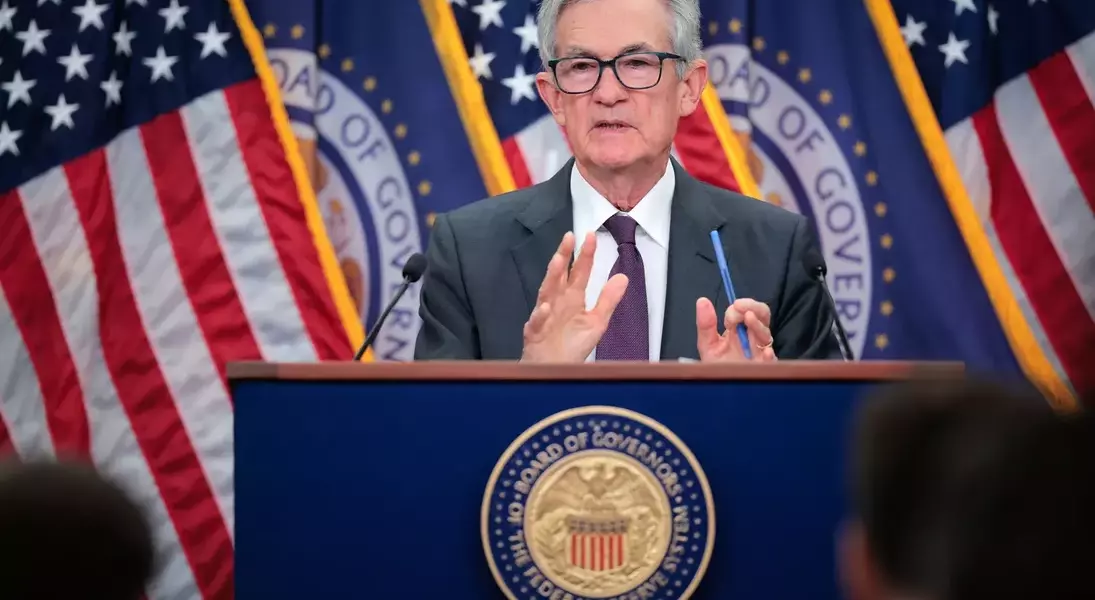
The Federal Reserve's upcoming policy meeting is poised to be a pivotal moment, with strong indications that the central bank will keep interest rates stable. This decision arrives at a time when the Fed faces increasing scrutiny over its operational autonomy, especially concerning external pressures that could compromise its ability to conduct monetary policy free from political influence. The broader economic landscape, marked by persistent inflation and a fluctuating job market, adds further complexity to the Fed's delicate balancing act.
A major focus will be the communication from Fed Chair Jerome Powell, particularly how he addresses questions about the institution's independence amidst a contentious political climate. The equilibrium between maintaining economic stability and safeguarding the Fed's impartiality is crucial, as any perceived erosion of its independence could significantly impact market confidence and the effectiveness of its policies. The central bank's actions and statements at this meeting will be closely watched for signals on its future trajectory and its resolve in upholding its mandate.
Federal Reserve Holds Steady on Rates Amidst Economic Uncertainty
The Federal Reserve is widely expected to maintain its benchmark interest rate at the current level during its next meeting. This anticipated pause follows a series of three consecutive rate reductions, signaling a period of evaluation for the central bank as it assesses the cumulative effects of these adjustments on the economy. With inflation remaining stubbornly above the Fed's target and the job market experiencing a slowdown in hiring, policymakers are navigating a complex economic environment. The decision to hold rates steady reflects a cautious approach, allowing time for the economic indicators to stabilize and provide clearer insights into the health of the economy.
Financial markets have largely priced in this decision, with analysts and traders anticipating no immediate changes to the federal funds rate. This stability is intended to give the economy time to absorb the previous policy shifts, particularly as recent economic data has been distorted by government shutdowns. The Fed's dual mandate—to achieve maximum employment and stable prices—guides these decisions, and the current strategy emphasizes a wait-and-see approach. This period of constancy is crucial for observing how various sectors of the economy, from consumer spending to business investment, respond to the current monetary conditions before any further policy adjustments are considered.
Navigating Political Headwinds and Upholding Independence
A significant challenge for the Federal Reserve and its Chair, Jerome Powell, is the ongoing political pressure from the White House regarding interest rate policy. President Trump has frequently called for aggressive rate cuts, leading to concerns about political interference in the central bank's independent decision-making process. The administration's legal actions against Fed officials have further exacerbated these tensions, prompting Powell to publicly denounce such moves as attempts at "intimidation." This situation underscores the delicate balance the Fed must maintain between its economic objectives and its perceived political neutrality.
During the post-meeting press conference, Chair Powell is expected to face intense questioning on the issue of the Fed's independence. Economists widely agree that the central bank's credibility, especially its ability to effectively manage inflation, relies heavily on the public's perception that its decisions are driven solely by economic factors, not political agendas. While Powell has typically avoided political commentary, his recent strong statements against administrative pressures indicate a firm stance on protecting the institution's autonomy. His responses at the upcoming conference will be critical in reaffirming the Fed's commitment to its mandate and its independence, shaping market expectations and public confidence in its future actions.
