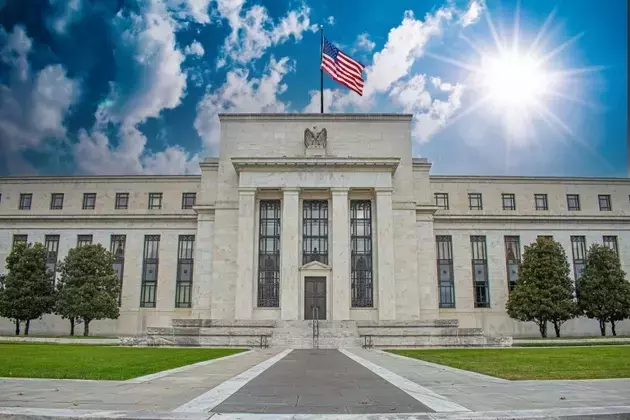
This article explores the Federal Reserve's recent decision to maintain a steady interest rate, delving into potential challenges to its long-term influence over the financial markets. It highlights critical economic factors that could destabilize the current calm, urging investors to remain vigilant.
Navigating the Unseen Currents: Understanding the Fed's Stance and Future Market Trajectories
The Federal Reserve's Unchanged Stance and Immediate Market Response
The Federal Reserve recently concluded its policy meeting, announcing its decision to keep the Federal Funds Rate unchanged. This move, largely anticipated by financial analysts, initially sparked minimal reaction across global markets. Despite the calm, a closer examination reveals potential undercurrents that could challenge the Fed's authority and market stability in the future. The initial lack of market volatility does not necessarily reflect long-term confidence in the Fed's capacity to manage evolving economic pressures.
Emerging Threats to the Federal Reserve's Control Over Interest Rates
Beneath the placid surface of the financial markets, several significant risks are gathering strength, potentially threatening the Federal Reserve's traditional influence over interest rates. The specter of fiscal dominance looms, where government spending and debt levels become so large that monetary policy is forced to accommodate fiscal needs, rather than focusing on price stability. Concurrently, a declining U.S. dollar could exacerbate inflationary pressures, further complicating the Fed's objectives. Concerns about the overall health and stability of the U.S. financial system also contribute to a growing apprehension among experts. These combined factors could diminish the central bank's ability to effectively steer interest rates, leading to unpredictable market conditions.
The Importance of Monitoring Three-Year Treasury Yields
In this uncertain economic landscape, the behavior of three-year Treasury yields warrants particular attention from investors. These yields can serve as an early indicator of market sentiment regarding short-to-medium-term interest rate expectations. Historically, longer-term Treasury yields have shown a tendency to rise even when the Federal Funds Rate is cut, signaling a disconnect between the Fed's policy actions and broader market perceptions of future inflation and economic growth. Any significant decoupling of three-year Treasury yields from the Federal Funds Rate could indicate a loss of Federal Reserve control, portending increased volatility and potential shifts in investment strategies.
Strategic Investor Vigilance in a Changing Monetary Environment
Given the potential for diminished Federal Reserve control and the complex interplay of economic forces, investors must maintain a high degree of vigilance regarding the financial stability of the U.S. government. A scenario where the Fed's influence over interest rates weakens could lead to unforeseen market turbulence, impacting asset valuations and investment returns. Prudent investors will therefore need to critically assess macroeconomic indicators, adjust their portfolios to mitigate risks, and remain prepared for swift market movements. Understanding these dynamics is crucial for safeguarding investments against future economic shocks.
