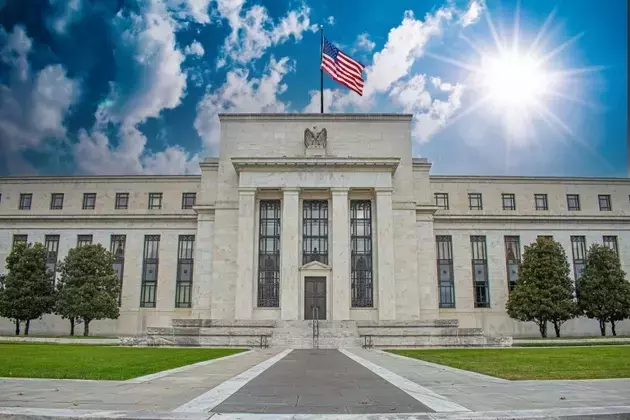
The Federal Reserve's recent decision to keep the federal funds rate stable marks a pivotal moment in its monetary policy trajectory, signaling a shift from a period of consecutive rate cuts to a more cautious, data-dependent approach. This strategic pause, with rates held between 3.5% and 3.75%, reflects a complex interplay of economic indicators, market expectations, and impending leadership changes. The committee's stance suggests a watchful waiting period, carefully monitoring inflation, labor market dynamics, and broader economic health before making further adjustments. This article delves into the nuances of this decision, exploring its implications for the economy and financial markets, while also considering the challenges posed by potential political events and the transition of leadership within the Fed.
On January 28, the Federal Reserve Open Market Committee (FOMC) convened and unanimously voted to maintain the federal funds rate within its established range. This action brought an end to a sequence of three consecutive meetings that had seen the committee implement 25 basis point reductions in interest rates. The decision underscores a deliberate move towards stability, allowing the economy to absorb the effects of previous adjustments.
Current projections from fed fund futures and the committee's own forecasts indicate a general consensus: no immediate surprises are expected regarding rate movements. Market participants are primarily looking towards September for the next potential rate cut, anticipating a reduction to approximately 3.33%. This forward-looking perspective suggests that both the central bank and the market are aligning on a patient, gradual approach to monetary policy, eschewing dramatic shifts in the near term.
Further complicating the economic outlook is the impending change in leadership at the Federal Reserve, with a new chair expected to take office in May. This transition introduces an element of uncertainty, as a new leader may bring a fresh perspective or subtly alter the committee's policy direction. Consequently, it is widely believed that the current rate policy will remain unchanged until after the new chair is settled, unless there are significant and unforeseen fluctuations in key economic indicators such as labor market performance or inflation rates. This pause would allow the new leadership to assess the economic landscape and establish their policy framework.
Adding another layer of complexity, the possibility of a government shutdown looms. Such an event could severely impede the collection and dissemination of crucial economic data, which the Federal Reserve relies upon for its policy decisions. A disruption in data flow would further reinforce the Fed's inclination towards a data-dependent pause, as accurate and timely information is paramount for informed monetary policy. This scenario would likely prolong the period of stable interest rates, as the committee would prioritize clarity and stability over premature action.
The Federal Reserve's recent decision to halt interest rate adjustments after a series of reductions underscores a strategic shift towards caution amidst an evolving economic landscape. This pause is not merely a cessation of action but a deliberate strategy to assess the cumulative impact of previous policy changes, monitor incoming economic data, and navigate anticipated transitions in leadership. The interplay of market expectations, internal committee forecasts, and external political factors like potential government shutdowns will continue to shape the Fed's path forward, emphasizing a methodical and measured approach to maintaining economic stability.
