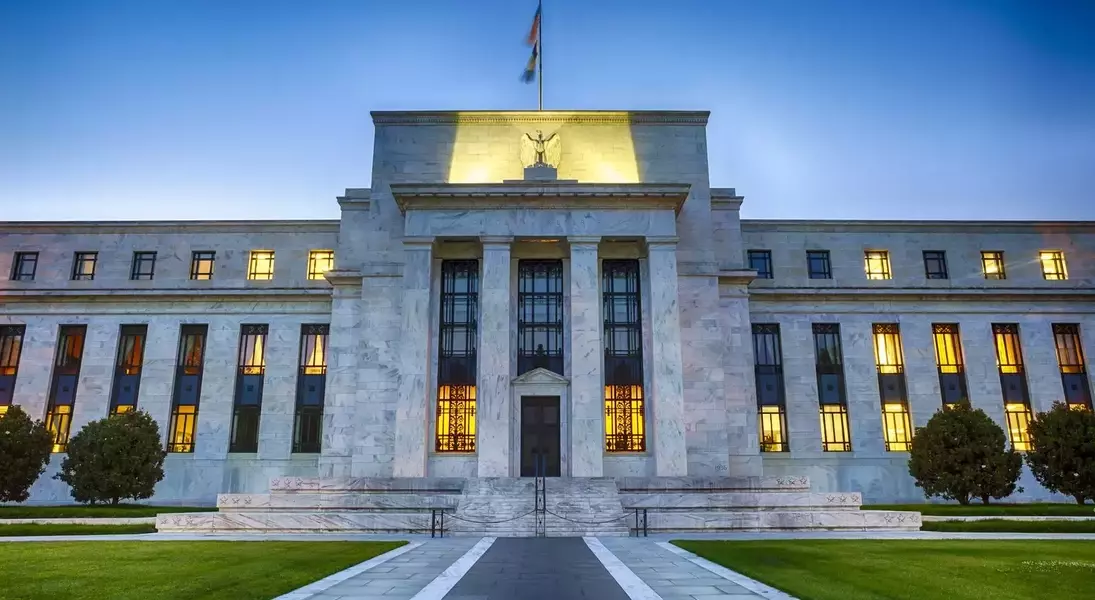
The Federal Reserve plays a crucial role in maintaining economic stability through various policy tools, influencing everything from lending to inflation. This article explores how the Fed manages the nation's financial health, from traditional methods like interest rate adjustments and open market operations to innovative measures like quantitative easing during crises.
Shaping Economic Health: The Federal Reserve's Influence
How the Federal Reserve Guides the Economy Through Interest Rates
Central banks globally, including the U.S. Federal Reserve, primarily manage economic activity by adjusting short-term interest rates. Lowering rates makes borrowing more appealing and saving less profitable, encouraging spending by individuals and businesses. This increases the money supply, stimulating economic activity. Conversely, raising rates can curb inflation by slowing down economic growth.
The Impact of Open Market Operations on Financial Systems
Another powerful instrument at the Fed's disposal is open market operations (OMO), which involves buying or selling Treasury bonds. By purchasing bonds, the Fed injects cash into the economy, increasing the money supply and lowering interest rates. Selling bonds removes cash, reducing the money supply and raising rates. OMO serves as a fine-tuning mechanism due to the vastness of the U.S. Treasury bond market.
Controlling Bank Lending via Reserve Requirements
The Federal Reserve also influences lending by altering banks' reserve requirements. This specifies the fraction of deposits banks must hold rather than lend out. A higher reserve ratio reduces the funds available for lending, thereby tightening credit. Lowering the ratio does the opposite, increasing the money banks can lend and stimulating economic activity.
The Fed's Communication Strategy and Market Perceptions
Beyond direct financial tools, the Fed's public statements significantly shape market sentiment. Announcements about economic outlook or potential policy changes can influence investor expectations, leading markets to adjust before actual policy implementation. This psychological impact allows the Fed to achieve its goals, such as cooling an overheating economy, without always needing to take direct action.
Addressing Economic Crises with Specialized Lending Facilities
During the 2007-2008 financial crisis, the Fed introduced new mechanisms like term auction facilities and term securities lending facilities. The term auction facility offered anonymous short-term loans to financial institutions, preventing liquidity concerns from escalating into solvency crises. The term securities lending facility allowed banks to exchange illiquid mortgage-backed securities for more stable U.S. Treasuries, bolstering balance sheets and preventing widespread financial system collapse.
Quantitative Easing: A Crisis Management Tool
In severe economic downturns, traditional tools may be insufficient. Quantitative easing (QE) involves large-scale purchases of long-term government and other securities by the central bank. This injects vast amounts of new money into the economy, lowers long-term interest rates, and expands the central bank's balance sheet. QE aims to encourage lending and investment when short-term interest rates are already near zero. While the Fed has not implemented negative interest rates, it has reduced rates to near zero during major crises, showcasing its flexibility in extreme circumstances.
