A recent controversy has emerged within the Food and Drug Administration (FDA) regarding a senior official's attempt to appoint a researcher who promotes adding unverified pregnancy risk warnings to antidepressant medications. This development has ignited significant discussion among medical professionals and internal FDA personnel. Critics highlight a potential conflict of interest and emphasize the absence of substantial scientific evidence to substantiate these proposed warnings. This situation underscores the delicate equilibrium required when balancing patient welfare with ensuring continued access to vital mental health therapies for expectant mothers.
FDA Official's Hiring Decision Ignites Controversy Over Antidepressant Warnings
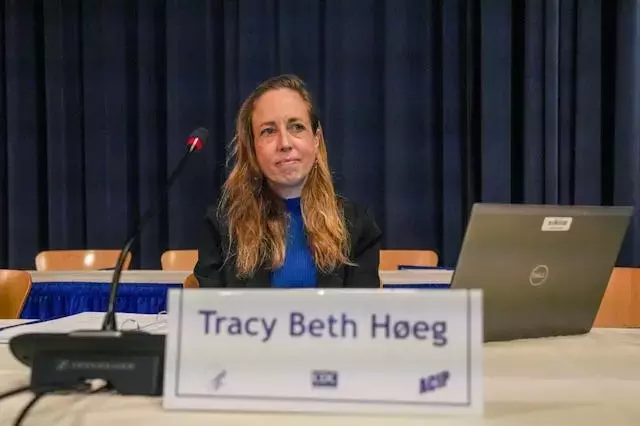
In a developing story on March 11, 2026, Dr. Tracy Beth Hoeg, acting director of the FDA’s Center for Drug Evaluation and Research, has reportedly sought to bring on board Dr. Adam Urato, a maternal-fetal medicine specialist from Massachusetts, as a full-time FDA employee. Dr. Urato has been actively petitioning the FDA to mandate boxed warnings on antidepressant labels, suggesting that their use during pregnancy could lead to complications, including miscarriages and fetal brain abnormalities that might manifest as autism or other disorders in children. The Associated Press initially reported on these alleged efforts, citing concerns from within the FDA. Sources have described Dr. Hoeg's actions as unusual and indicative of a conflict of interest, particularly after she reportedly presented Dr. Urato's research as her own to fellow FDA drug officials in the autumn of 2025. Medical experts have largely dismissed Dr. Urato’s claims, deeming the supporting data as insubstantial, often relying on animal studies or human trials with insufficient sample sizes. Organizations such as the American College of Obstetrics and Gynecology have issued statements affirming the safety of SSRIs during pregnancy, emphasizing the significant risks associated with untreated depression in expectant mothers, including increased chances of postpartum depression, substance use, and even maternal mortality. The scientific consensus appears to contradict the necessity for such warnings, pointing to the crucial role these medications play in maintaining the mental and physical well-being of pregnant individuals.
This situation underscores the imperative for evidence-based decision-making in public health and regulatory bodies. The potential for personal biases or conflicts of interest to influence critical policy decisions regarding medication safety is a serious concern. It highlights the importance of rigorous scientific review processes and transparency within regulatory agencies. For patients and healthcare providers, this controversy reaffirms the need for open communication and reliance on comprehensive, well-supported medical information. Ultimately, safeguarding both maternal mental health and fetal well-being requires policies grounded in robust scientific data, free from undue influence, ensuring that pregnant women receive accurate guidance and access to necessary treatments.
